.png)


.png)
Built to Last: Mastering Bali Villa Construction Standards in a Tropical Climate
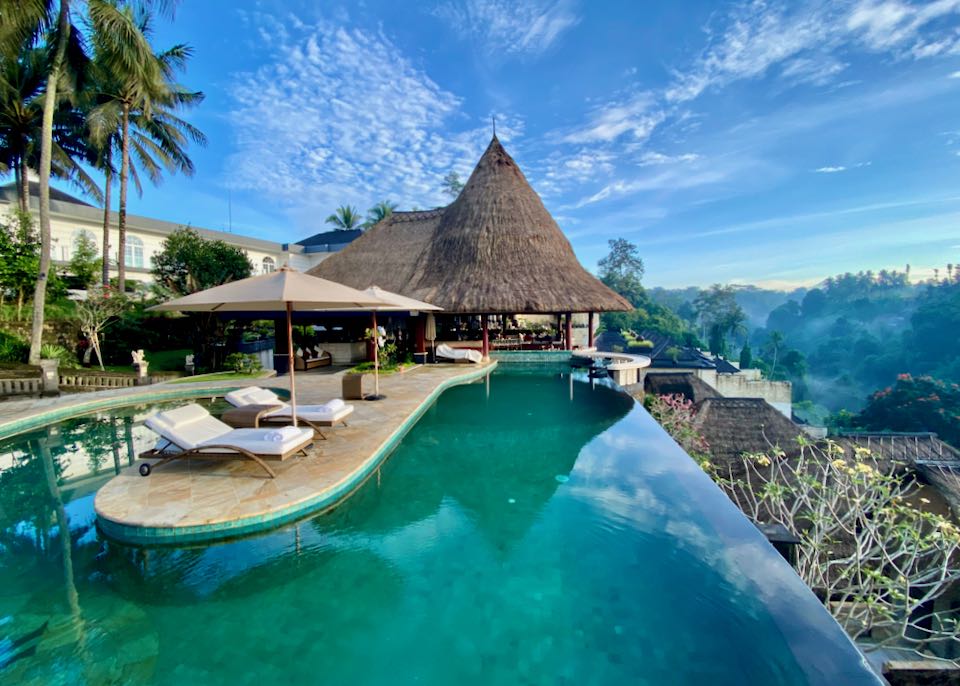
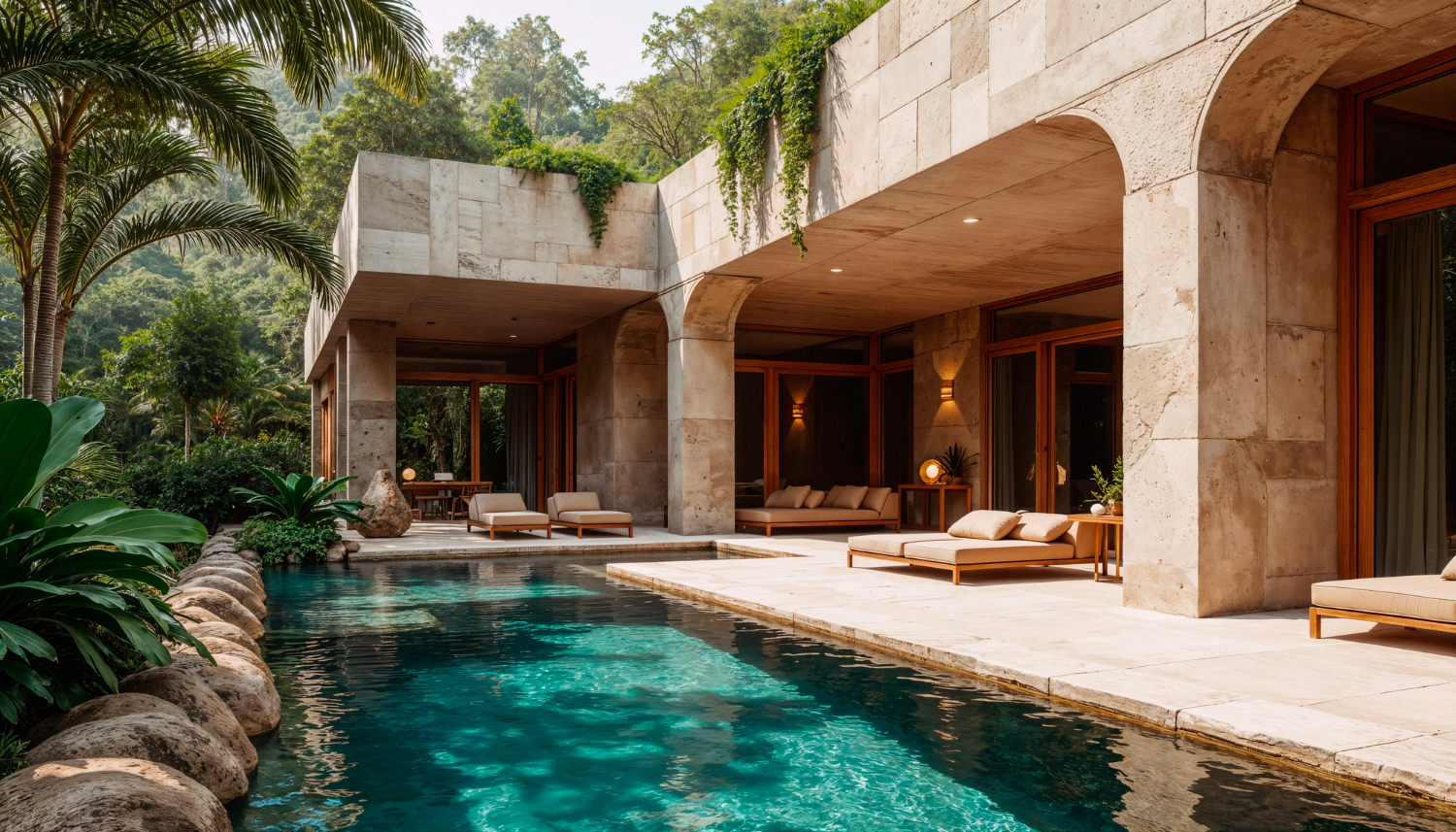
When browsing Instagram, the appeal of a Bali villa is purely visual: the seamless blend of indoor and outdoor spaces, the natural stone textures, and the iconic "Tropical Modern" silhouette. However, for the seasoned investor, a villa is not just an aesthetic object; it is a physical asset fighting a constant war against the elements.
Bali’s environment characterized by 90% humidity, intense equatorial UV radiation, and high salinity in coastal zones is notoriously harsh on buildings. A property built without rigorous adherence to specific Bali villa construction standards may look stunning on day one but can become a financial sinkhole of repairs by year three.
At JK Global Properties, we approach construction with an engineering-first mindset. We understand that "Functional Durability" is the silent guardian of your Net ROI. If a villa requires painting every six months or the roof leaks during the monsoon, your operational expenses skyrocket, and your guest reviews plummet. This guide takes you behind the glossy renders to the steel and concrete reality of building in the tropics, defining the standards necessary to ensure your investment stands the test of time.
The Tropical Reality: Engineering Against Decay
The primary challenge in Bali is not seismic activity (though that is a factor); it is moisture. The air in Bali carries a heavy load of water vapor, and in popular investment corridors like Canggu, Pererenan, and the Bukit Peninsula, it also carries salt. This combination is corrosive.
Functional Durability
We prioritize "Functional Durability" the selection of materials and methods specifically designed to resist tropical degradation.
- The Salinity Factor: In coastal areas, standard metal fixtures will rust within months. We mandate the use of marine-grade stainless steel or powder-coated aluminum for all exposed hinges, handles, and frames.
- Wood Selection: Using softwoods (like Pine) in Bali is a mistake. They warp in the humidity and are candy for termites. Construction standards must dictate the use of hardwoods like Teak (Jati) or Ulin (Ironwood), properly kiln-dried and treated. While the upfront cost is higher, these materials resist rot and pests, preserving the asset's value for decades rather than years.
The Breathable Building
Mold is the enemy of hospitality. It smells, it looks bad, and it causes health issues. To prevent mold, a villa must "breathe".
- Cross-Ventilation: Good design aligns windows and open spaces to allow natural airflow, reducing the reliance on air conditioning and keeping surfaces dry.
- Moisture Barriers: In the "Tropical Modern" style, where walls often meet gardens, rising damp is a risk. We install high-grade damp-proof courses (DPC) at the base of all walls to stop ground moisture from wicking up into the structure.
The "Open Kitchen" Protocol: Structural Transparency
A major anxiety for off-plan investors is the inability to see what goes inside the walls. Unscrupulous developers may use thinner steel bars or weaker concrete mixes to save money, compromising structural integrity. At JK Global Properties, we counter this with our "Open Kitchen" Protocol.
Visualizing the Skeleton
Just as an open kitchen allows diners to see the chef's hygiene and technique, our protocol allows investors to inspect the "bones" of the villa before they are covered.
- Steel Reinforcement Inspection: Before any concrete is poured, we document the steel reinforcement bars (besi beton). Investors can verify (via video or site visit) that the diameter and spacing of the steel match the structural engineering drawings.
- Concrete Curing: The strength of concrete depends on how it dries (cures). We adhere to strict curing times, keeping the concrete moist to prevent cracking, rather than rushing to the next stage to meet a deadline.
- The 10-Year Guarantee: Because we enforce these standards during the invisible phase of construction, we can confidently offer a structural guarantee of up to 10 years. This is a tangible asset for future resale, offering peace of mind to the next buyer.
Waterproofing: The Upper Floor Defense
With the rise of two and three-story villas to maximize land use, the integrity of upper floors and rooftops is critical. Water leaks from an upper-floor bathroom or a flat roof terrace can destroy the ceilings and furniture below.
The Multi-Layer Approach
Standard waterproofing paint is insufficient for Bali's monsoon season. We implement a multi-layer defense strategy.
- Membrane Technology: We utilize torch-on bitumen membranes or high-elasticity cementitious coatings under all tiled surfaces on rooftops and balconies. This creates a flexible, impermeable barrier that moves with the building's thermal expansion without cracking.
- Graded Drainage: Flat roofs are never truly flat. They must be engineered with a precise gradient to ensure rapid water runoff. Standing water is the precursor to leaks.
- The Flood Test: Before tiling, we conduct a "flood test" by filling the bathroom or balcony floor with water and letting it sit for 24-48 hours. If the ceiling below remains dry, only then do we proceed with tiling.
Sustainability as an Engineering Standard
In 2026, sustainable construction is not just an ethical choice; it is a financial strategy that lowers long-term Operational Expenses (OpEx).
Passive Cooling Design
The most efficient energy strategy is to reduce the heat entering the building.
- Overhangs: Deep roof eaves shade the glass facades from direct midday sun, significantly reducing the load on air conditioning systems.
- Thermal Mass: Using materials like stone and concrete helps absorb cool night air and release it slowly during the day, stabilizing indoor temperatures.
The Solar ROI
Integrating solar panels is now a standard recommendation for luxury builds. While the initial investment ranges from USD 30,000 to USD 50,000, the payback period is typically 5 to 7 years through reduced electricity bills. Furthermore, eco-features like water recycling systems reduce reliance on strained local water tables, a critical consideration in dry areas like the Bukit.
Cultural Zoning and Community Compliance
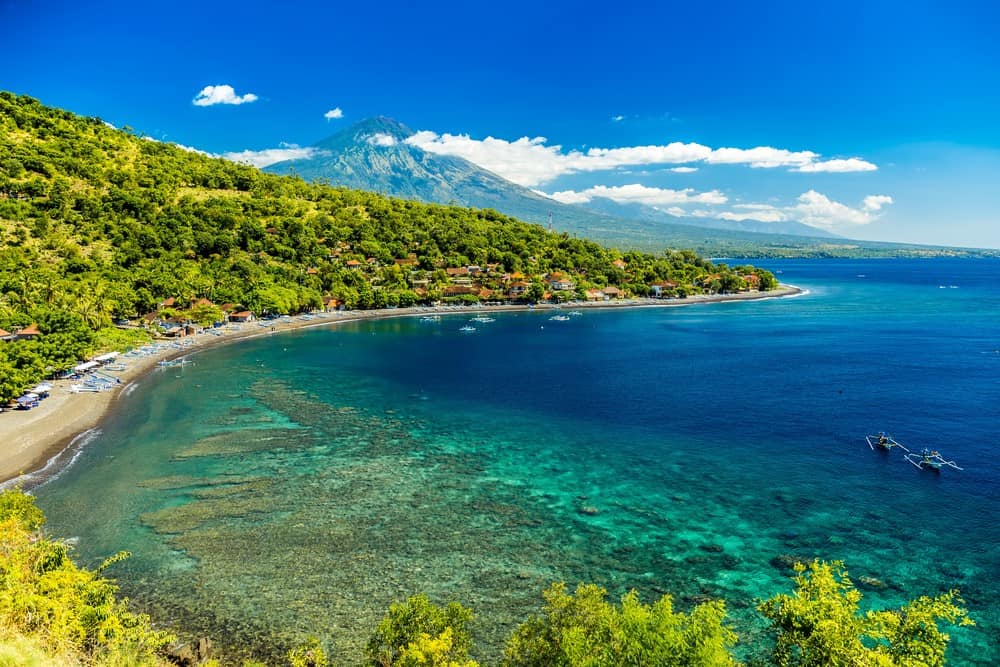
Construction in Bali does not happen in a vacuum; it happens within a Banjar (local community). Respecting cultural zoning is as important as respecting physical laws.
Banjar Guidelines
Each Banjar has specific rules that influence design and construction, particularly in sensitive areas like Ubud or Pererenan.
- Height Restrictions: The general rule is that no building can exceed the height of a coconut tree (approximately 15 meters).
- Orientation: Traditional philosophy dictates alignment with the mountain (Kaja) and the sea (Kelod). Respecting these orientations in the layout helps maintain community harmony.
- Setbacks: Strict setbacks from rivers ("holy lines") and temples are enforced. A villa built too close to a riverbank without a proper buffer risks demolition orders. We conduct thorough due diligence on these "invisible" zoning lines before the first stone is laid.
Access and Logistics in Emerging Zones
As investors move into high-appreciation areas like Seseh or Tabanan, the logistics of construction become a key standard to manage.
Ensuring Reachability
A beautiful villa is useless if a car cannot reach it. In rural areas, access roads are often narrow agricultural paths.
- Infrastructure Upgrades: Part of our development standard involves upgrading access roads to handle construction trucks (concrete mixers) and future guest vehicles.
- Parking Pads: We engineer dedicated parking areas that accommodate cars, not just scooters. This seemingly small detail significantly widens the rental market to include families and groups who travel by car, distinct from the solo traveler on a motorbike.
The Cost of Quality vs. The Cost of Repair
Investors often ask why construction costs in Bali vary so wildly. You might see quotes ranging from $500 per square meter to $1,200 per square meter. The difference lies in the standards described above.
Building cheaply in the tropics is a false economy. Saving $10,000 on waterproofing or wood quality today will likely cost you $30,000 in repairs and lost rental income over the next three years. High-quality construction acts as a hedge against inflation and degradation. It ensures that your asset remains a "turnkey" generator of income rather than a "fixer-upper" drain on your resources.
At JK Global Properties, we define our success not by how fast we build, but by how well the building performs five, ten, and twenty years later. By adhering to strict standards of functional durability, structural transparency, and cultural compliance, we deliver assets that are engineered to survive the climate and thrive in the market.