.png)


.png)
Where to Invest in Bali: Best Locations for Foreign Investors
%20-%20IMG_0890.jpg)
Bali is more than a holiday destination for savvy foreign investors it’s a landscape of opportunity. At JK Global Properties we believe that choosing the right location is often the difference between an investment that flourishes and one that under-performs.
Below we guide you through the top areas in Bali for foreign investment, practical criteria for selection, and how you can align your strategy with long-term success.
Understanding the Importance of Location
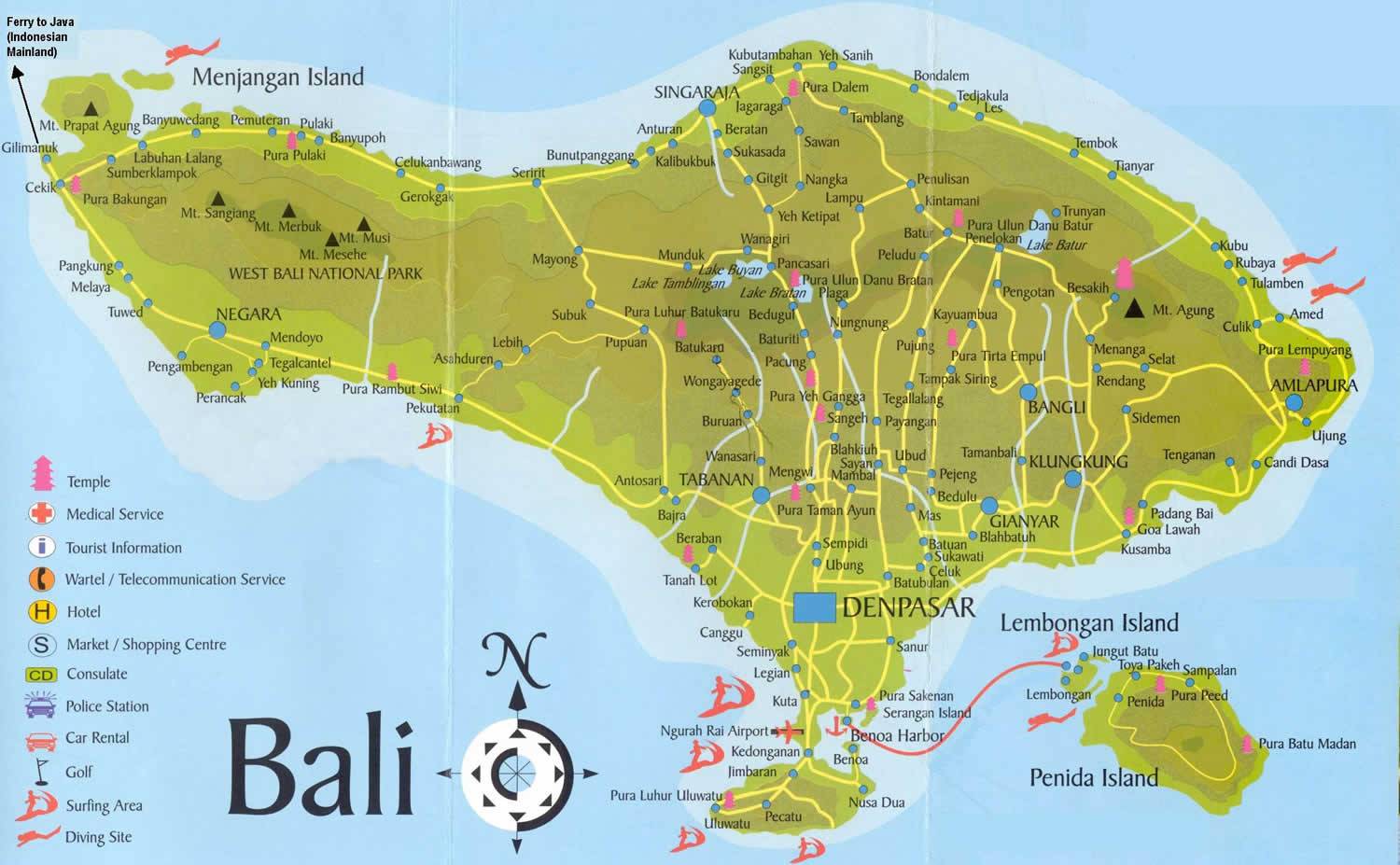
Location matters. Not only for scenic value or tourism appeal, but for zoning rules, infrastructure access, regulatory environment and time horizon. A prime villa in a highly saturated zone may deliver return fast, but it may also carry higher costs, stricter licensing and fewer upside surprises.
On the other hand, emerging regions offer potential for appreciation, but demand patience and precise execution. As Emerhub notes, “the gap between a successful investment and a stalled project often comes down to one thing: location”.
Before we dive into specific regions, keep these three fundamentals in mind:
- Tourism demand + accessibility: How many visitors, and how easy is it to reach?
- Zoning & permit clarity: Can you legally build and operate the concept you have in mind?
- Growth trajectory: Is the region mature or still developing and does that match your investment horizon?
With those in mind, let’s examine the key locations.
South Bali: The Established Rental Market
South Bali remains the backbone of Bali real estate investment. The airport, beach clubs, restaurants and villas all concentrate here, making it highly liquid and familiar to many investors.
Canggu & Seminyak
These areas are among the most mature markets on the island. Villas here from Berawa, Batu Bolong to Petitenget can fetch high nightly rates, especially professionally managed ones. According to the source, villas in these zones may command from USD 219 up to well over USD 1,000 per night for premium properties.
But maturity comes with drawbacks: land prices are higher and licensing, zoning checks and competition are more stringent.
Pererenan & Seseh
Just north of Canggu, these zones are emerging as lifestyle-driven areas popular with long-stay tourists, digital nomads and young families. Land here still allows more flexibility mixed-use zoning, for example and villas can excel with occupancy and rate combinations.
If you want a high-yield rental model in Bali today, these zones often hit the sweet spot of demand + growth potential.
Jimbaran & Ungasan
Closer to the airport yet somewhat secluded, these premium coastal enclaves cater to top-tier holidaymakers, weddings and luxury retreats. Villas with sea-views and high-end design regularly exceed USD 400 per night.
Here your capital entry is higher, but the brand positioning and clientele are at the top end.
Why South Bali may suit you
If your objective is rental yield, quick tourism-driven turnover and a known market, South Bali delivers.
Things to watch: high competition, high land cost, licensing sensitivity and lower incremental upside compared to under-developed zones.
Central & West Bali: Emerging Value with Lifestyle Appeal
For investors willing to look beyond the obvious, Central and West Bali offer appealing alternatives. These regions blend nature, access and potential usually at more favourable entry cost.
Ubud (Gianyar)
Ubud is Bali’s cultural and spiritual heart. Its slower rhythm appeals to wellness retreats, longer stay tourism and lifestyle-conscious visitors. But the zoning environment is stricter, heritage overlays apply and build timelines may be longer.
Still, well-executed boutique villas and retreats in Ubud can deliver steady returns and strong repositioning value.
Tegallalang & Payangan
Further north of Ubud, these districts offer larger plots, more flexibility in land use and more affordable entry. Suitable for eco-lodges, wellness retreats, regenerative stays.
You trade immediacy for space and potential.
Tabanan (West Coast)
With regions such as Kedungu gaining attention, Tabanan offers land at lower cost, proximity to Canggu and surf lifestyle with less saturation. Developers such as Ciputra Group are active here.
Ideal for investors who see a 5-10 year horizon and want to capture growth early.
Why Central & West may suit you
Moderate cost, emerging markets, lifestyle appeal and potential for capital growth.
Things to watch: longer development timelines, less existing tourism infrastructure, potentially slower return ramp-up.
North Bali & Beyond: Early Mover Opportunities
If your strategy is long-term, high potential and you tolerate more patience, North Bali and other less developed regions may be ripe.
Buleleng (North Coast)
This region offers some of the lowest land-entry costs on the island. Interest is rising in Lovina, Kubutambahan and other areas as the proposed North Bali international airport approaches.
For land-banking, large-scale resort projects or eco-retreats this zone holds promise.
Remote & Emerging Zones
For those who accept more risk and less tourism today: remote zones with future infrastructure pipelines offer upside. But the clarity of zoning, access roads and amenities tend to lag.
Why North Bali may suit you
Lowest cost of entry, potential for strong appreciation if infrastructure arrives, fewer tourism-driven competitors.
Things to watch: slower occupancy rates, less immediate yield, higher logistic and development risk.
How to Choose the Right Location for Your Investment
Selecting the right location involves aligning your objectives, timeline and risk profile. Here are our recommended filters:
1. Investment goal & horizon
- If you want year 13 yield: choose South Bali (Canggu/Pererenan/Jimbaran)
- If you target capital growth over 510 years: consider Central/West (Ubud/Tabanan) or North zones
- If you aim for land banking or long-term value creation (10+ years): North Bali or remote emerging areas
2. Zoning and legal context
Make sure the site aligns with the business you intend: short-term rental, wellness retreat, residential stay. Zoning mismatches are a common pitfall. For example, if the land is in a “yellow zone” designed for residential use only, a short-term rental business could be illegal.
We always start with zoning verification and local permit mapping.
3. Access and infrastructure
Accessibility matters: airport proximity, road quality, utilities, local services. Site visibility, guest travel time and local operations cost depend on infrastructure.
A villa that takes 45 minutes to reach the airport may have less guest appeal compared to one 20 minutes away.
4. Tourism track record & market saturation
Tourism demand is the driver of yield; check occupancy trends, nightly rate averages and competitive set. Mature zones may yield high rates, but also high cost and saturation. Emerging zones may cost less but need careful marketing and operational strategy.
5. Exit strategy & resale potential
Location influences resale value. Prime zones guarantee liquidity and demand. Emerging ones may deliver growth but carry more uncertainty. A property in South Bali might trade easier in five years than a remote site in North Bali.
Case Study: How We Evaluate a Potential Site
At JK Global Properties we apply a four-step process:
- Site visit and market review understand guest profile, rate benchmarks, competitor performance.
- Legal & zoning check verify land title type, zone classification, permit workflows.
- Financial modeling simulate nightly rate, occupancy, OPEX, exit value modelled on location.
- Sustainability overlay ensure development respects nature, culture and community, sustaining long-term value.
For instance, a villa in Seseh (south Bali) showed land cost 30% less than Canggu, with similar guest appeal, but lower competition and outlook for growth. Entry cost advantage plus emerging demand meant a stronger upside.
We documented this based on both field research and local agent data.
Risk Factors and How to Mitigate Them
Every investment carries risk. In Bali, particular areas require heightened vigilance:
- Zone mismatches or illegal use: Operating a villa in a non-tourism zone may lead to shutdown.
- Licensing/permits delays: Even drilled-down properties may face hurdles if the local banjar or regency object.
- Rapid infrastructure change: Sudden rezoning or regulation may impact value.
- Market saturation in prime zones: Some South Bali markets show signs of plateauing. Emerhub notes South Bali land is now very expensive and licensing tighter.
- Remote zone access issues: Higher logistics cost, fewer guest nights, longer ramp-up.
Mitigation is simple in principle though complex in execution: do your homework, partner locally, plan cash-flow conservative and consider long-term horizon.
Find Your Position on Bali’s Map
Choosing where to invest in Bali is not about picking the prettiest beach view. It’s about aligning your vision with the zone, infrastructure, demand and legal structure.
Whether you’re seeking high-yield holiday rentals now or aiming for long-term appreciation over a decade, there is a zone for you.
At JK Global Properties we help you map this carefully, so your investment sits in the right place not just on the map, but in the future of Bali’s growth.
If you’re ready to explore Bali’s best locations with us, we’ll guide you through every step towards a secure, transparent and value-driven investment.