.png)


.png)
Umanis Kuningan November 30th in Bali
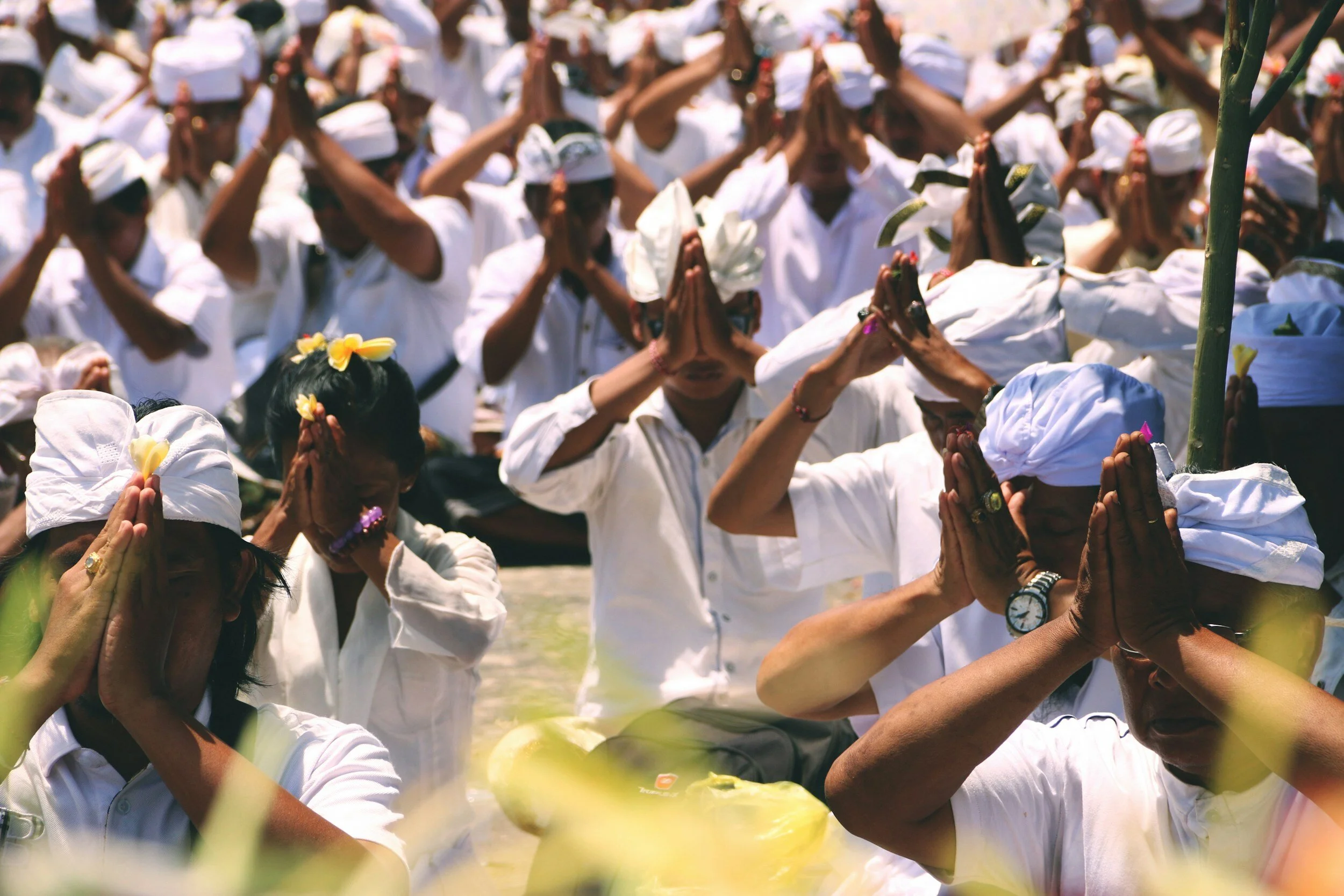
Umanis Kuningan November 30 in Bali marks the gentle closing of one of the most spiritually charged cycles in the Balinese calendar. After weeks filled with offerings, rituals, ancestral visits and community gatherings, this date brings a feeling of softness and harmony that settles over homes, temples and entire villages. It is a day of gratitude rather than ceremony, a quiet celebration of balance after the intensity of Galungan and Kuningan.
For travelers, expats and foreign property investors, Umanis Kuningan offers a precious opportunity to observe Bali at its calmest. While the penjor still line the streets and families continue to visit temples, the atmosphere becomes more relaxed. Daily life resumes its natural rhythm, and communities embrace a peaceful moment before the next cycle of rituals begins. Understanding this day is not only valuable for cultural appreciation but also for anyone looking to live or invest respectfully in Bali.
The Essence of Umanis Kuningan
Umanis Kuningan is the day after Kuningan, the grand closing of the Galungan cycle. While Kuningan is celebrated with temple visits, elaborate offerings and prayers, Umanis Kuningan is its gentle reflection. It invites people to rest, reconnect with loved ones and enjoy the remaining energy of the blessings received during the previous days.
The word “Umanis” refers to sweetness and softness. Symbolically it represents the emotional and spiritual calm that follows the departure of the deities and ancestral spirits who visit homes and temples during the Galungan and Kuningan periods.
According to Balinese belief, the divine presence gradually lifts on Kuningan and fully returns to the higher realms by the end of the day. Umanis Kuningan is the quiet exhale after this sacred journey.
What Happens on Umanis Kuningan
While the previous days involve intense preparation, cooking, offering making and temple activities, Umanis Kuningan is notably peaceful. However, certain customs still take place throughout the island.
Domestic Offerings
Families continue to place small canang sari in front of houses, at shrines and on vehicles. These offerings are simpler than those used during Kuningan but hold the same intention of gratitude and protection.
Temple Visits in a Softer Rhythm
Some families choose to visit their village temples or family compounds again, especially if they were unable to do so during the busier days. These visits are unhurried and often combined with social gatherings.
Communal Meals
Food remains central to the day. Leftover traditional dishes from Galungan and Kuningan are repurposed into lighter meals. Snacks such as laklak, klepon or pisang rai are commonly shared.
Walks Through the Village
With no major ceremonies, locals take this day to enjoy slow walks among decorated streets. For visitors, this is one of the best times to experience Bali without crowds, while still immersed in cultural beauty.
Places in Bali Where Umanis Kuningan Is Especially Beautiful
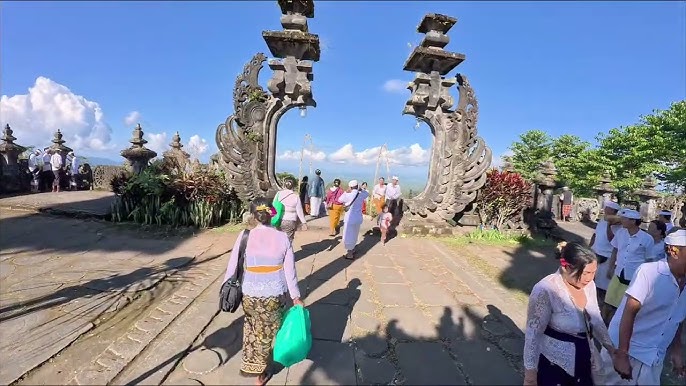
The serenity of Umanis Kuningan can be felt across the island, but some areas offer particularly meaningful experiences.
Ubud
Known for its spiritual atmosphere, Ubud preserves traditional rituals in an authentic way. Temples such as Pura Gunung Lebah and Pura Taman Saraswati are calm on this day, making it ideal for introspective visits.
Seseh and Cemagi
Coastal villages like these offer a harmonious combination of nature, spirituality and calm. Walking through the rice fields while the penjors sway in the wind is particularly memorable.
Tabanan
This region is one of the strongholds of traditional Balinese culture. Temples like Pura Luhur Batukaru and village shrines remain active without feeling crowded.
Sidemen
Sidemen’s valleys, lined with coconut trees and rice terraces, provide a peaceful setting for observing the softer rituals of this day. Many travelers choose to meditate or practice yoga here.
Canggu and Pererenan
Although these areas are popular among tourists and expats, mornings during Umanis Kuningan maintain a peaceful feeling. Local families continue to place offerings along the roads and near entrances, giving the lively neighborhoods a sacred calm.
Food and Culinary Traditions on Umanis Kuningan
Bali’s festive season is always accompanied by rich culinary traditions. Umanis Kuningan focuses on simplicity and sharing rather than elaborate preparations.
Nasi Kuning
This turmeric rice dish is still served after Kuningan and symbolizes prosperity and gratitude.
Jaja Bali
Traditional Balinese cakes such as jaja batun bedil, jaja gina and jaja uli are common during this time.
Ayam Pelalah and Sate Lilit
Leftovers from ceremonial meals are transformed into lighter, family friendly dishes.
Tropical Fruits
Papaya, banana, salak and mangosteen are the stars of Umanis Kuningan. They appear both in offerings and family meals.
These foods reflect the philosophy of the day: light, balanced and shared with loved ones.
Activities Visitors Can Enjoy on Umanis Kuningan
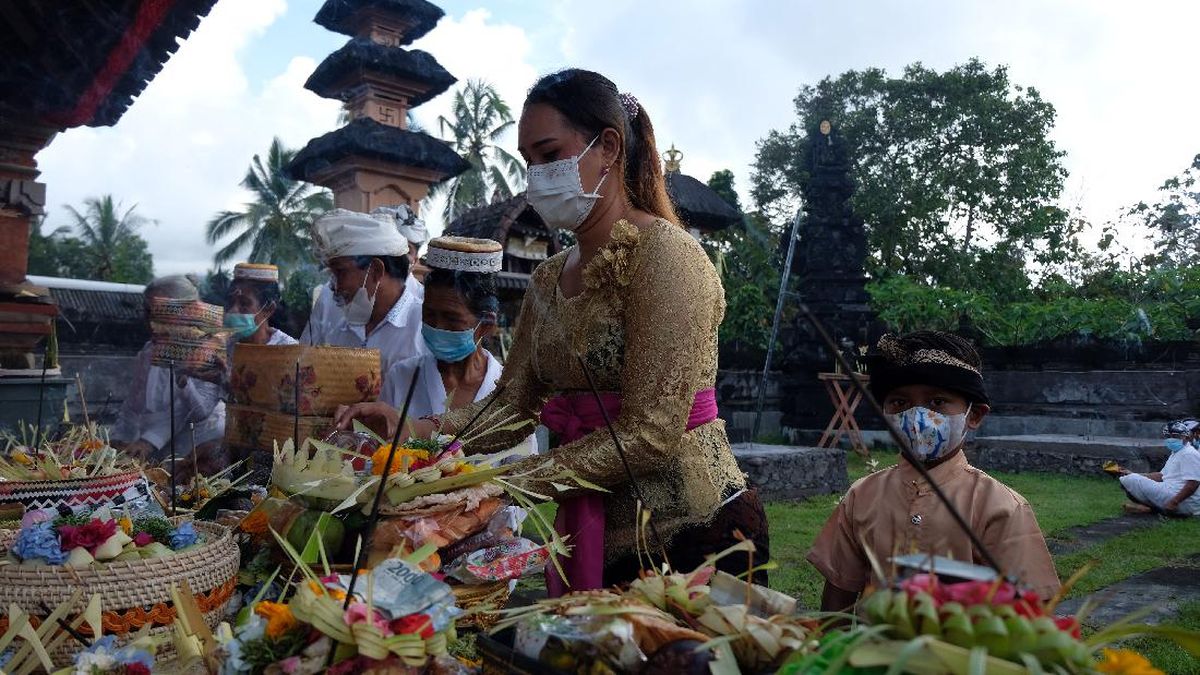
Instead of large ceremonies, Umanis Kuningan is about atmosphere. Here are the experiences travelers and expats can enjoy:
Village Walking Tours
Slowly explore decorated streets, observe how families place offerings and appreciate the peaceful atmosphere.
Temple Visits
Many temples are open yet quiet. It is the perfect moment to respectfully observe without interrupting major rituals.
Wellness Retreats
Because this day is calm, yoga studios and spas offer spaces for reflection. Ubud, Canggu and Uluwatu have excellent options.
Cafes and Cultural Spaces
Some cafes host small music sessions or craft demonstrations, allowing visitors to learn about Balinese art and culinary heritage.
Photography Walks
The combination of penjors, offerings and soft lighting creates ideal conditions for photography, especially in places like Pererenan, Seseh, Ubud and Sidemen.
Why Understanding Umanis Kuningan Matters for Investors
For foreign investors considering property in Bali, cultural literacy is not a curiosity. It is part of sustainable, long term integration into the island’s fabric. Umanis Kuningan provides insights into several aspects that matter for real estate development and investment.
1. Hospitality Timing and Guest Experience
Understanding local rituals allows villa owners and property managers to create thoughtful guest experiences. A simple welcome explaining the significance of Umanis Kuningan transforms a stay into something meaningful.
2. Seasonal Booking Patterns
The Galungan and Kuningan period often brings domestic travelers and Indonesians living abroad back to Bali. This creates peaks for villas located in culturally active regions such as Ubud, Tabanan and Seseh.
3. Property Value Near Cultural Sites
Areas with strong traditional identity maintain long term rental demand. Many expats increasingly seek regions that balance modern comfort with authentic Balinese culture.
4. Community Integration
Long term investment in Bali is not only financial. It requires participation and respect. Understanding days like Umanis Kuningan strengthens relationships with neighbors and local leaders.
5. Design Considerations
Properties that allow space for small shrines, air flow for incense and natural materials that align with Balinese philosophy tend to be more attractive for culturally conscious guests and buyers.
Best Areas to Stay or Invest to Experience Umanis Kuningan
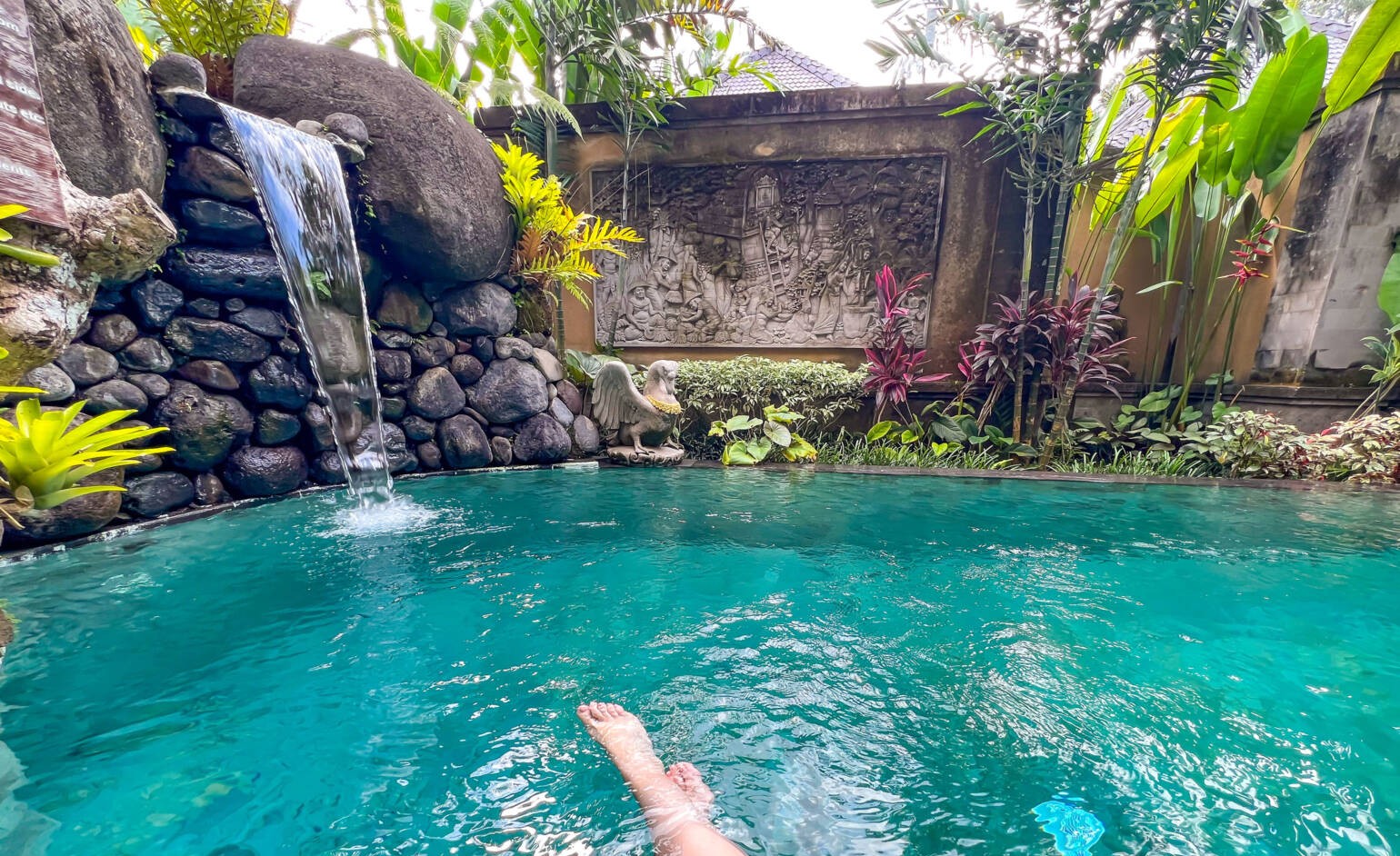
If cultural immersion is a priority, these areas offer a balanced mix of authenticity and comfort.
Pererenan
Modern but still deeply connected to tradition. Offerings and penjors line the streets, and the beach remains peaceful during rituals.
Seseh
Known for its spiritual depth and untouched beauty. Many luxury villas integrate traditional architecture and open air spaces, ideal for guests seeking calm during ceremonial days.
Ubud
The heart of traditional ceremonies. Ubud offers easy access to temples, cultural centers and traditional villages.
Tabanan
Perfect for those wanting a countryside experience. Villas surrounded by rice terraces offer tranquility and a strong cultural environment.
Sidemen
A serene valley where the gentle energy of Umanis Kuningan is especially noticeable.
How Travelers Should Respectfully Participate
Visitors are welcome to observe or participate gently during Umanis Kuningan, as long as they follow cultural etiquette:
• Wear appropriate clothing when visiting temples
• Do not touch or step over offerings
• Avoid loud behavior near shrines
• When invited into a family compound, follow local guidance
• Support local vendors selling ceremonial snacks and crafts
These simple actions help protect and honor traditions.
Final Reflection
Umanis Kuningan November 30 in Bali is one of the island’s softest and most intimate festive moments. It closes the Galungan cycle with calm, gratitude and a return to balance. For those who live in Bali, whether temporarily or permanently, understanding this day provides a deeper sense of connection to the island and its people.
For investors, it highlights how culture and hospitality shape the rhythm of life and influence property value and guest experience.
Experiencing Umanis Kuningan is more than observing a ritual. It is witnessing the quiet harmony that defines Bali and the spiritual heartbeat that continues to shape its communities, landscapes and future.