.png)


.png)
Umanis Galungan November 20th: The Day of Cultural Exploration in Bali
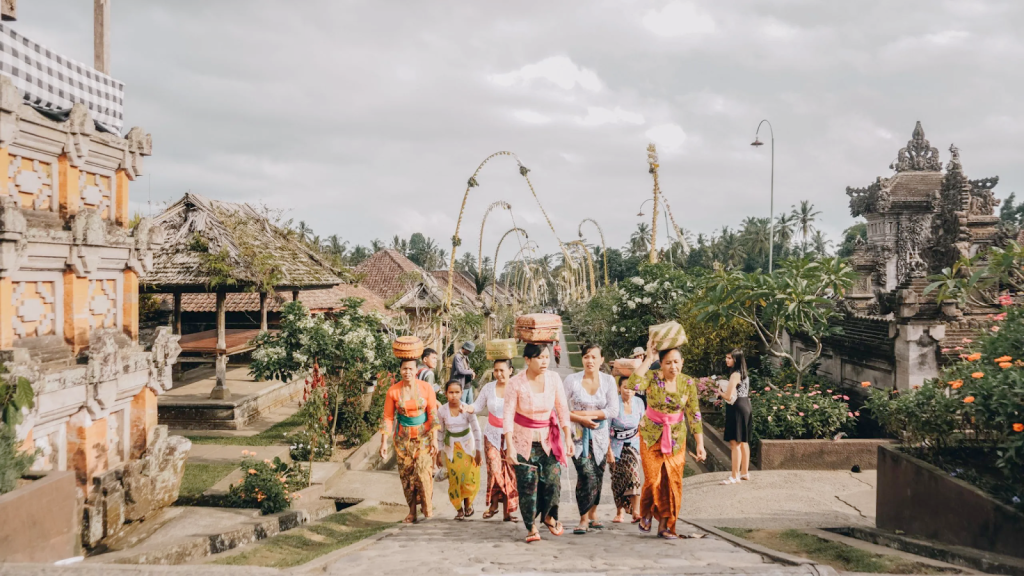
Umanis Galungan falls on November 20, the day immediately after Galungan, and is considered one of the most joyful and serene moments in the Balinese calendar. If Galungan is the spiritual peak when ancestors descend and good triumphs over chaos, Umanis Galungan is the softer echo that follows, when the island exhales after days of intense preparation and prayer.
The mood turns warm and relaxed: families visit relatives, share meals, and stroll under penjor-lined streets while ceremonies continue in a calmer rhythm. For travelers, expats, and foreign investors, it is one of the best days to experience Bali’s cultural heartbeat up close, discovering authentic villages, temples, food traditions, and the way these living rituals shape long-stay lifestyles and property demand in areas such as Seseh, Pererenan, Ubud, and Tabanan.
What Umanis Galungan Really Means
In Balinese culture, the word “umanis” translates to “sweet” or “pleasant,” and that spirit shapes the entire day. While Galungan is spiritually focused and ceremonial, Umanis Galungan is a moment of connection.
Families use this day to:
- visit relatives,
- host lunches,
- share traditional dishes,
- reflect on harmony,
- and enjoy the presence of ancestral spirits before they begin their departure later in the festival cycle.
The atmosphere is distinctly lighter. Villages feel festive yet calm. People dress beautifully but with a relaxed tone.
Children play in courtyards. Families gather under decorated penjor. Temples are active but not crowded.
For visitors, the experience feels intimate. You see a Bali that is neither touristic nor staged, but lived, real, and welcoming.
What Happens in Homes and Villages During Umanis Galungan
Umanis Galungan begins mid-morning. Many families have already completed the major rituals the day before, so they take time to prepare simpler offerings and enjoy their surroundings.
Family Visits and Temple Walks
Balinese people visit:
- family temples,
- ancestor shrines,
- villages where relatives live,
- and community temples that continue the celebration.
Visitors often notice more movement in the streets, with families traveling together in traditional attire.
Sharing Meals and Food Traditions
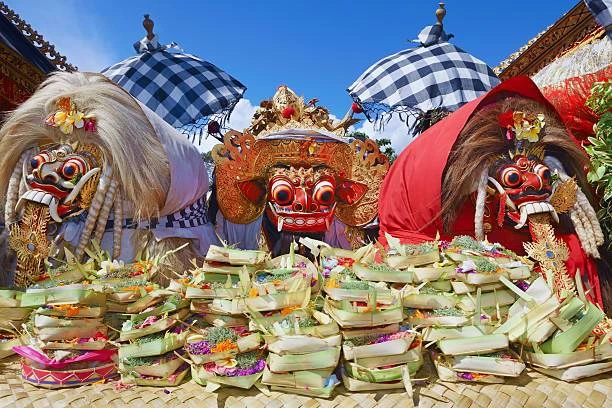
Unlike Penampahan or Galungan morning, Umanis does not involve intensive cooking. The food prepared the day before becomes the center of the table.
Common dishes during Umanis include:
- lawar
- sate lilit
- ayam betutu
- urutan (Balinese sausage)
- rice cakes and jajan pasar
- fruit platters used previously as offerings
Guests are frequently invited to eat, especially if staying in homestays or villas with Balinese staff.
Walking through Penjor-Lined Streets
The iconic penjor bamboo poles remain standing, creating some of the most beautiful street scenes of the entire year.
Visitors love walking through:
- Jalan Seseh
- Pererenan village roads
- Ubud’s Pengosekan
- Mas village
- Sidemen valley routes
- Jatiluwih rice terrace roads
This is one of the most photographed days in Bali.
Where to Experience Umanis Galungan in Bali
Because this day is lighter and more relaxed, visitors have more freedom to explore without interrupting ceremonies.
Here are the best regions to visit:
1. Ubud: Cultural Heart of the Festival
In areas like Penestanan, Peliatan, and Pejeng, you can see:
- families carrying offerings,
- temple music,
- traditional sweets being shared,
- weaving of small ornaments,
- and beautiful penjor arches.
Local temples welcome respectful visitors for observation.
2. Pererenan and Seseh: Coastal Villages with Strong Traditions
These are some of the best places to stay during Galungan and Umanis.
You can walk from the beach to the heart of the village and see:
- processions
- incense trails
- decorated family compounds
- coconut-leaf ornaments
- and children playing near temples
Because these are emerging residential areas, many villas provide a peaceful view of the celebrations without crowds.
3. Tabanan: Rural Bali at Its Most Authentic
Villages like Marga, Kediri, and Penebel hold intimate celebrations.
If you want quiet beauty and rich culture, this is the perfect place.
4. Sanur: Gentle, Family-Friendly Celebrations
Sanur shines during Umanis Galungan. Streets bloom with decorations, and temples near the beach hold small rituals visitors can observe respectfully.
5. Bangli and Karangasem: For Temple Enthusiasts
Explore:
- Pura Kehen
- Besakih’s surrounding villages
- Pinggan’s mountain communities
These regions offer breathtaking scenic rituals.
What to Eat During Umanis Galungan
Part of the cultural delight of this day is exploring Balinese ceremonial cuisine.
Here are foods worth trying and where to find them:
Lawar
A ceremonial dish of vegetables, spices, and coconut.
Try it at:
- Warung Bu Agung (Ubud)
- Traditional warungs in Pererenan or Tabanan
Sate Lilit
Minced meat with herbs wrapped around lemongrass skewers.
Recommended:
- Warung Varuna (Canggu)
- Pasar Ubud morning stalls
Ayam Betutu
Slow-cooked spiced chicken used for offerings.
Try at:
- Nasi Ayam Kedewatan
- Warung Liku (Denpasar)
Jajan Pasar (Traditional Cakes)
Includes:
- klepon
- pisang rai
- jaje uli
Find them in local markets like:
- Pasar Badung
- Pasar Ubud
- Pasar Kediri (Tabanan)
Best Activities for Visitors on Umanis Galungan
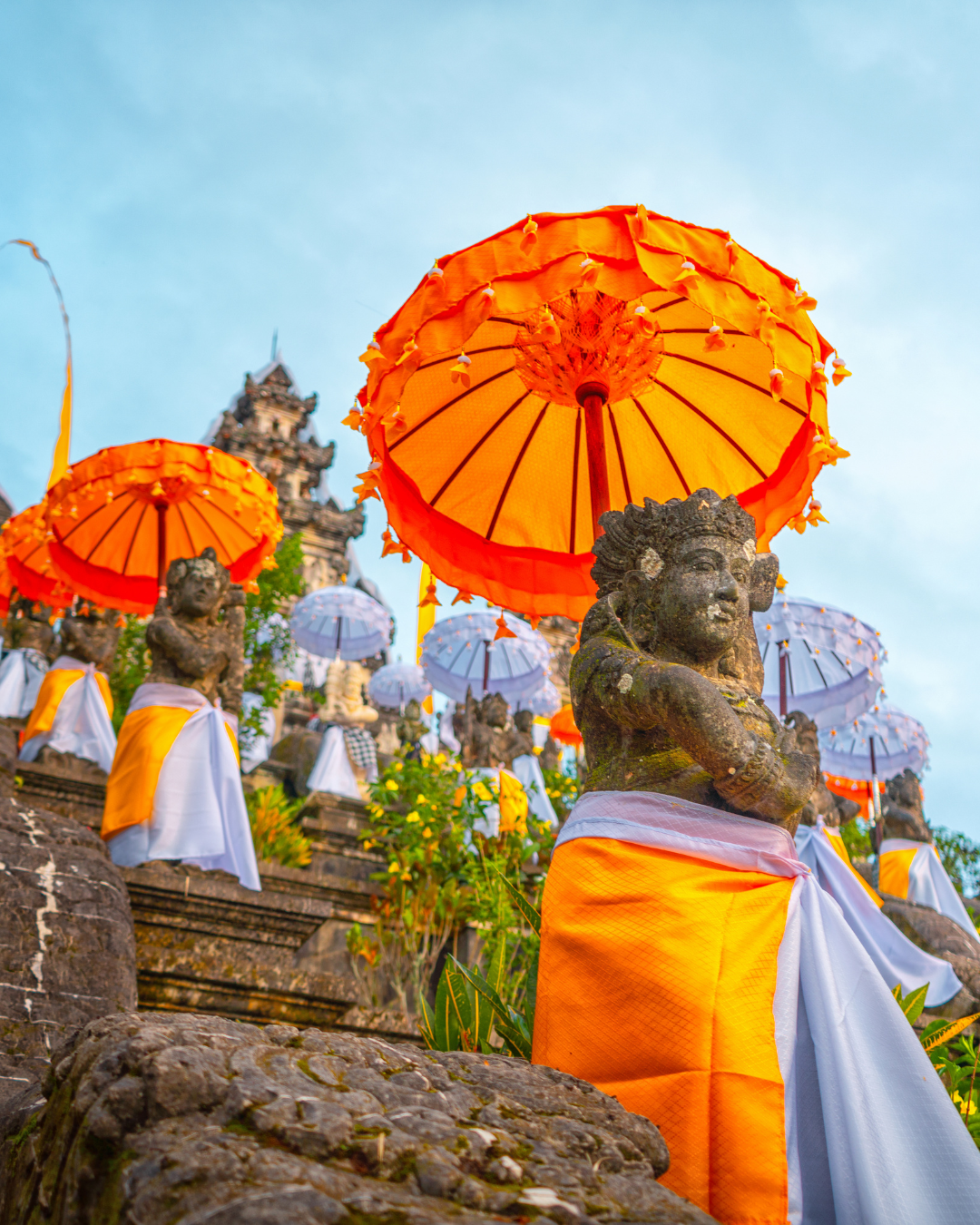
This day is ideal for cultural immersion since ceremonies are active but not intense.
Temple Observation (Calm and Respectful)
Visit:
- Pura Desa in any village
- Taman Ayun Temple in Mengwi
- Gunung Kawi Temple in Tampaksiring
Ceremonial dress is required in many temples.
Village Walks and Photography
The beauty of penjor-lined streets is at its peak.
Perfect locations:
- Seseh Beach road
- Pererenan rice field paths
- Sidemen valley
- Jatiluwih terraces
Cooking Experiences in Villas
Many villa chefs prepare Galungan-style menus on this day.
Guests can join informal cooking lessons.
Cultural Workshops
Look for:
- offering-making classes
- Balinese dance workshops
- coconut-leaf weaving sessions
Often hosted at:
- Desa Seni (Canggu)
- The Yoga Barn (Ubud)
- Community centers in Sanur
How Umanis Galungan Influences Tourism and Real Estate
Festive periods offer insight into how people live, move, and gather in Bali.
These patterns influence tourism, hospitality design, and real estate demand.
1. Visitors Prefer Properties Near Cultural Villages
Areas like Pererenan, Seseh, Ubud, Tabanan and Sidemen are attractive because they offer:
- direct access to rituals,
- quiet surroundings,
- traditional beauty,
- and immersive experiences.
This raises seasonal rental demand and strengthens long-term occupancy.
2. Cultural Identity Stabilizes Property Value
Zones that maintain strong festival traditions tend to remain visually consistent, protected from overdevelopment.
This creates desirable long-term investment environments.
3. Villas with Local Aesthetic Appeal Perform Better
Travelers during festive months prefer:
- villas with garden views,
- spaces that incorporate Balinese design elements,
- easy access to temples or village streets.
Cultural proximity increases guest satisfaction.
4. Growth Opportunities in Emerging Traditions-Based Regions
Seseh and Pererenan have become hotspots because they offer:
- modern villas
- strong community culture
- proximity to beaches
- visually stunning festival atmospheres
Investors today look for lifestyle + authenticity, not only ROI.
For Expats and Long-Stay Visitors: What You Can Join
Umanis Galungan is one of the easiest days for foreigners to participate respectfully.
You can:
- join staff in placing simple offerings
- attend morning prayers as observers
- walk through villages
- prepare fruit offerings
- share meals with neighbors
- dress in Balinese ceremony attire
It creates a deeper connection to the island you are living or investing in.
Respectful Guidelines for Visitors
To experience Umanis Galungan properly:
- Wear a sarong and sash in temple areas.
- Avoid touching ceremonial items.
- Do not step over offerings.
- Ask before taking photos of people.
- Respect private family temple areas.
Your sensitivity will be appreciated.
A Sweet Day of Harmony
Umanis Galungan on November 20, is one of Bali’s most expressive cultural days.
It blends beauty, togetherness, culinary tradition, peaceful temple activity, and the lingering presence of ancestral spirits.
In every penjor, every offering, and every shared meal, Umanis Galungan reminds us that Bali is not just a destination but a living culture that continues to enrich everyone who calls the island home.