.png)


.png)
Ulihan November 23rd: How to Experience This Quiet Spiritual Day in Bali
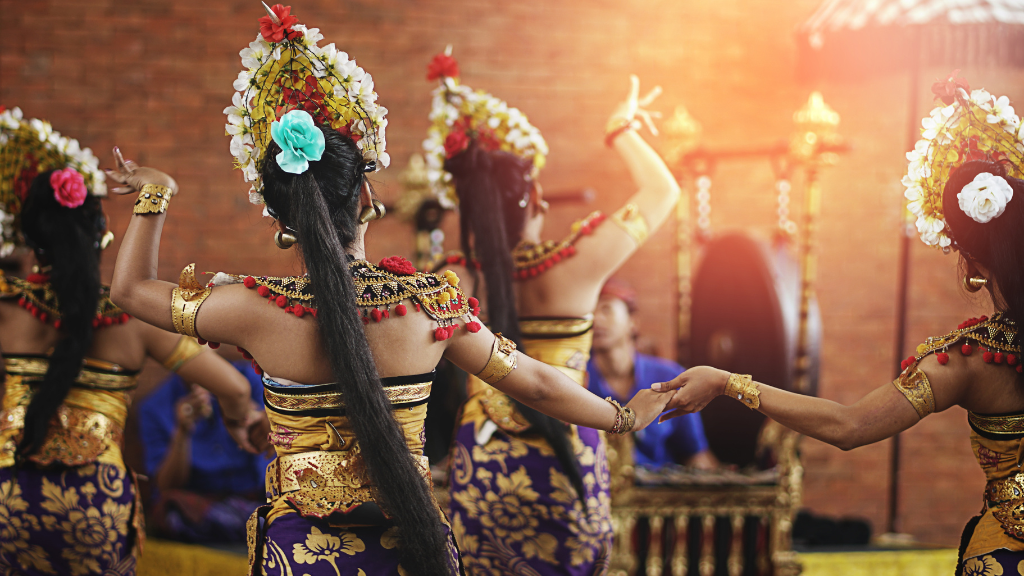
Ulihan November 23rd is one of the calmest and most meaningful spiritual moments in the Balinese Hindu calendar. It follows the intensity of Galungan and marks the gentle return of deities and ancestral spirits to the higher realms.
While Galungan is filled with movement, ceremonies and powerful symbolism, Ulihan brings a softer shift in energy, where homes, temples and villages settle into a peaceful rhythm filled with gratitude and reflection.
For travelers, residents and property investors in Bali, Ulihan November 23rd offers a rare window into the island’s intimate spiritual life. It is a day shaped by quiet offerings, family togetherness and a serene atmosphere that still carries the beauty of post Galungan decorations.
Experiencing Ulihan helps visitors understand the cultural cycle that shapes community life in Bali and provides valuable insight into the harmony between daily rituals, hospitality and real estate across the island.
What Ulihan Represents
Ulihan symbolizes the continued ascent of the deities and ancestors who visited during Galungan. It is part of a spiritual transition period known for balance, gratitude and protection. Families believe that during Ulihan, the blessings of Galungan continue to flow but begin to stabilize as the divine presence gently withdraws.
The word “Ulihan” is often interpreted as “return” or “withdrawal,” emphasizing the movement of the gods back toward the heavens. This retreat is not abrupt but serene. The atmosphere reflects this: smaller offerings, calm prayers and a collective sense of closure before the next big celebration.
Ulihan is not a public festival. Instead, it is a domestic, intimate spiritual checkpoint. It reinforces the values of discipline, introspection and gratitude that are central to Balinese life.
How Balinese Families Celebrate Ulihan
Because Ulihan is quieter than Galungan or Kuningan, the practices are simpler and more personal. The focus lies on maintaining the spiritual cleanliness of the home and honoring the deities as they return to the spiritual realm.
Typical family activities include:
- Placing fresh Canang Sari in shrines across the home
- Offering fruits and simple banten in the merajan
- Praying together during the early morning or late afternoon
- Cleaning the household areas used for Galungan offerings
- Sharing quiet meals with close family members
The rituals are not meant to impress but to express devotion. The simplicity of Ulihan is what makes it spiritually powerful.
Where to Experience Ulihan in Bali

Since Ulihan is not a large public event, the best way to experience it is by immersing yourself in local village life. Some of the most authentic regions include:
1. Pererenan
A balanced blend of local families and calm residential neighborhoods. Temples remain active, but ceremonies are intimate.
2. Seseh and Cemagi
Traditional seaside villages known for quiet rhythms and strong ceremonial identity.
3. Ubud
A cultural center where household rituals are maintained with great care. Visitors can feel the spiritual softness of the day.
4. Tabanan
Close to rice terraces and nature temples, Tabanan offers a grounding experience of Ulihan in a rural environment.
Visitors should observe respectfully: dress modestly, avoid blocking family temples and keep a distance during private rituals.
Food and Offerings Associated With Ulihan
While Galungan features elaborate feasts, Ulihan is known for simplicity and light meals. Food on this day reflects balance and gratitude.
Common offerings and home dishes include:
- Jaje uli (sticky rice cakes)
- Bananas, salak, and tropical fruits
- Nasi putih (plain rice) with vegetables
- Lawar putih, a simpler variation without meat
- Small traditional snacks sold at local markets
These foods represent purity and the gradual closing of the Galungan period.
Things to Do on Ulihan
Even though it is a spiritual day, Ulihan is not restrictive. It is a time when families visit one another, exchange stories and enjoy peaceful outings.
Recommended activities for visitors include:
- Walk through villages to admire penjor still standing proudly
- Visit temples during the quieter afternoon prayers
- Explore rice terraces in Tegalalang, Sidemen or Jatiluwih
- Visit cafés offering traditional snacks and herbal drinks
- Engage in slow tours, such as biking through rice fields
- Book wellness activities such as meditation or flower baths
The island feels calm, making it perfect for slow cultural exploration.
How Villas and Hospitality Venues Prepare for Ulihan
Hospitality teams often make subtle adjustments to respect the cultural tone of Ulihan and enrich the guest experience.
Key preparations include:
- Placing Canang Sari at the villa gates, altars and garden shrines
- Maintaining a peaceful environment with softer music
- Providing short written explanations of the day for guests
- Offering recommendations for local cultural walks
- Encouraging staff to visit their family temples during breaks
These small touches elevate a villa’s brand by showing respect for Balinese culture.
Ulihan and the Real Estate Landscape
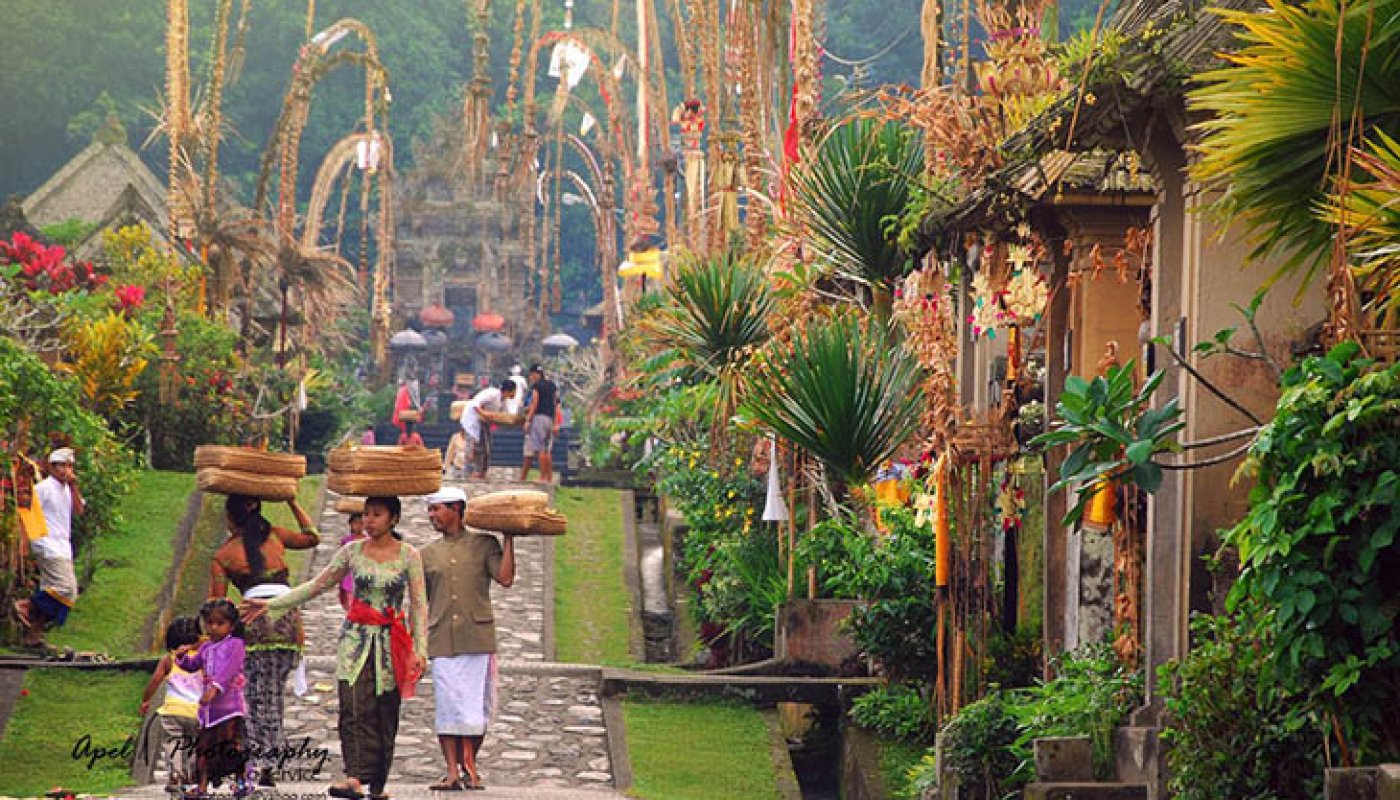
Spiritual days in Bali have a direct influence on how communities grow, how properties operate and how guests choose where to stay. Ulihan highlights a growing trend: the desire for culturally integrated living.
1. Demand for calm, culturally grounded neighborhoods
Areas like Seseh, Cemagi, Pererenan, Ubud and Tabanan have higher demand among long stay guests due to their peaceful ceremonial atmosphere.
2. Value of properties near temples and green zones
Many investors underestimate how deeply cultural consistency influences real estate decisions. People want to stay where traditions remain alive.
3. Higher guest satisfaction in culturally aligned villas
Guests often mention spirituality, cultural beauty and authenticity in reviews. Ulihan reinforces the need for villas designed with respect for ceremony flow and local customs.
4. Branding opportunities for developers
Developers and property management companies can use cultural education as a brand differentiator:
- Guides on ceremonies
- Cultural welcome notes
- Village partnership programs
- Seasonal experiences based on sacred days
These elements build trust and long term relevance.
How to Explain Ulihan to Villa Guests
Clear and warm communication helps guests appreciate the day:
- “Today is Ulihan, a peaceful post Galungan day when families offer gratitude.”
- Provide tips on respectful observation
- Suggest routes for cultural walks
- Recommend temples open to visitors
- Offer small courtesy treats like jaje Bali
Guests love learning about the culture when it’s presented simply and kindly.
Why Ulihan Matters for Anyone Living or Investing in Bali
Ulihan may not be as famous as Galungan or Kuningan, but its significance is deeply woven into Balinese identity. It reflects the importance of gratitude, balance and the continuity of spiritual life.
For expats and investors, this understanding is essential. It shapes how you design your home, interact with local communities and develop properties that feel integrated rather than imposed.
Respecting spiritual rhythms leads to better relationships with neighbors, smoother project approvals and stronger long term demand from guests seeking a meaningful experience.
Conclusion
Ulihan is a soft, reflective and profoundly beautiful day that bridges Galungan and Kuningan. It reminds the island to slow down, give thanks and realign with harmony.
For visitors, it offers a chance to witness authentic Balinese life. For residents and investors, it provides insight into the cultural heartbeat that shapes the island’s neighborhoods, hospitality standards and real estate flow.
Understanding Ulihan deepens your relationship with Bali. It also strengthens the way you present, design and manage property in a community where culture is not an accessory but the foundation of daily life.