.png)


.png)
Tumpek Uduh November 15th: Honoring the Spirit of Sustainable Living in Bali
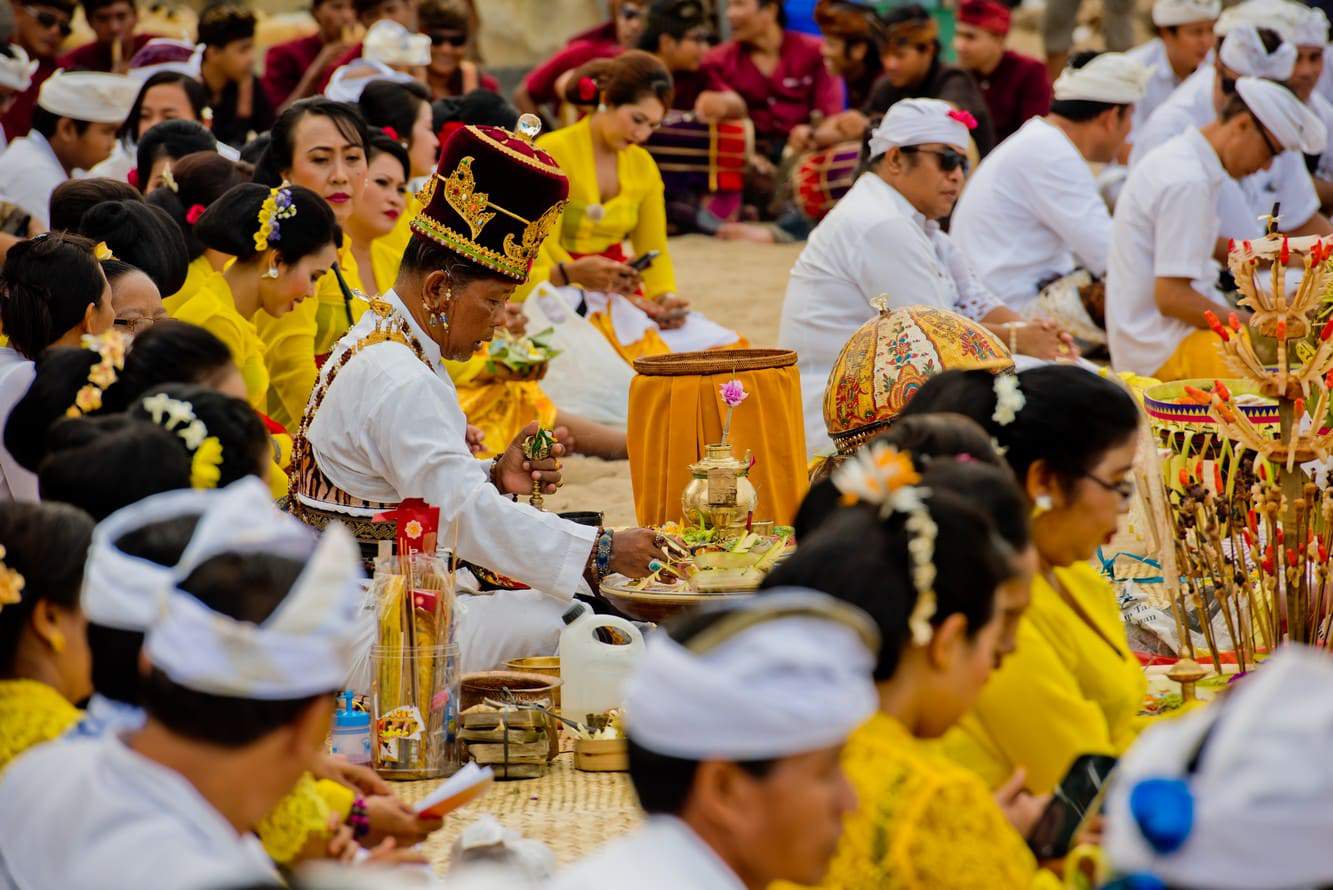
In Bali, spirituality flows through every part of life from the way homes are built to how food is grown. And few days capture that harmony between humans and nature as vividly as Tumpek Uduh, also known as Tumpek Wariga or Tumpek Pengatag.
This festival, falling on November 15th, celebrates the fertility of plants and trees, honoring Dewa Sangkara, the divine manifestation of life in vegetation. It’s a day when the island slows down to give thanks to the natural world that sustains it, a concept that resonates deeply with those who live, invest, or build in Bali.
We see Tumpek Uduh as more than a cultural tradition; it is a living expression of what makes this island so unique, a reminder that sustainable growth begins with respect for the land itself.
What is Tumpek Uduh?
Tumpek Uduh marks one of the six sacred Saturdays (Tumpek) in the 210-day Pawukon calendar of Bali. Each Tumpek honors a different aspect of creation animals, art, metalwork, music, humanity, and, in this case, plants and nature.
During Tumpek Uduh, offerings are made to trees, crops, and all forms of vegetation. Farmers, gardeners, and homeowners gather in their family compounds (merajan) to thank Dewa Sangkara for the fertility and abundance of the earth.
One of the most iconic rituals involves gently tapping tree trunks with rice porridge (bubur sumsum), symbolizing nourishment and affection an act of gratitude and hope for a fruitful harvest. In many villages, families decorate trees with flowers, young coconut leaves, and woven ornaments.
The Philosophy Behind the Celebration
Tumpek Uduh embodies the essence of Tri Hita Karana, Bali’s foundational philosophy of harmony among:
- Parahyangan: humans and the divine
- Pawongan: humans with each other
- Palemahan: humans and the natural environment
This philosophy is not a metaphor it guides daily life, community planning, and even real estate development across the island. The ceremony reflects the belief that humans are caretakers, not owners, of the earth.
As the Balinese say, “Bumi bukan warisan nenek moyang, melainkan titipan anak cucu” “The earth is not an inheritance from our ancestors, but a loan from our grandchildren.”
Rituals and Offerings: The Language of Gratitude
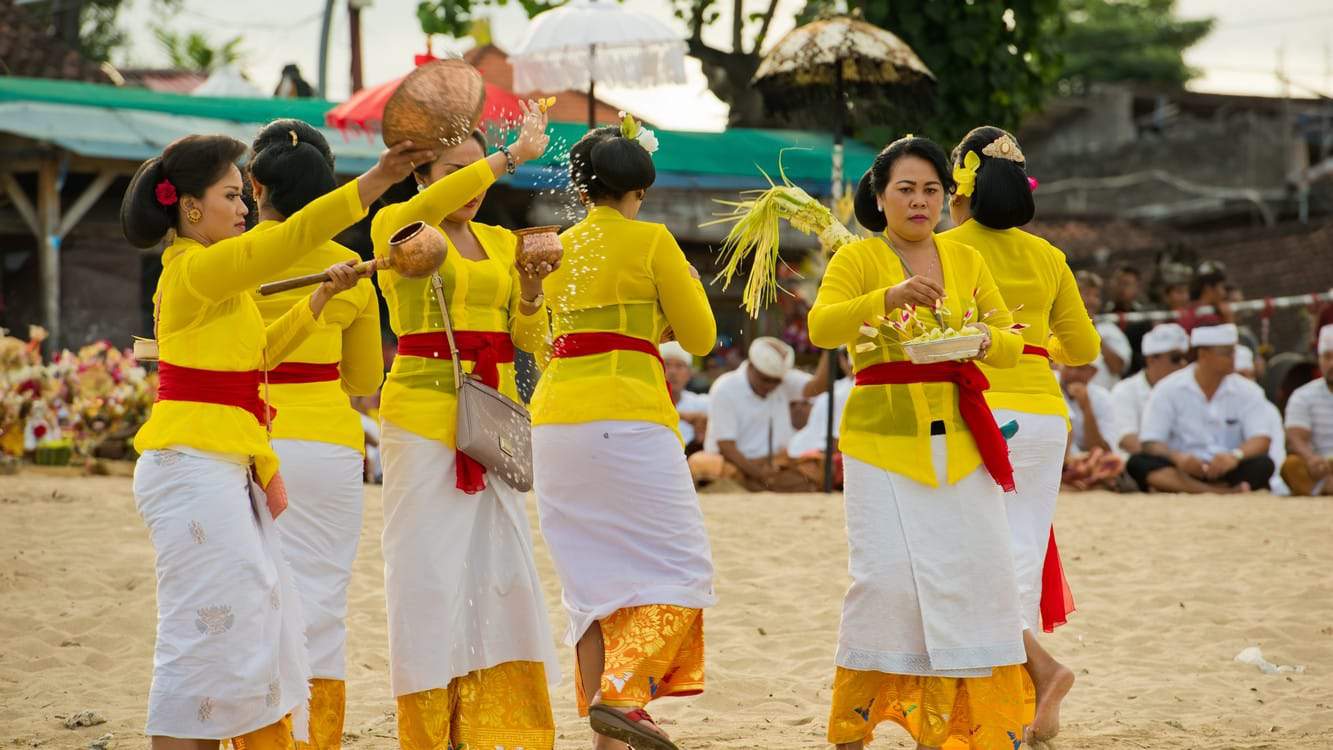
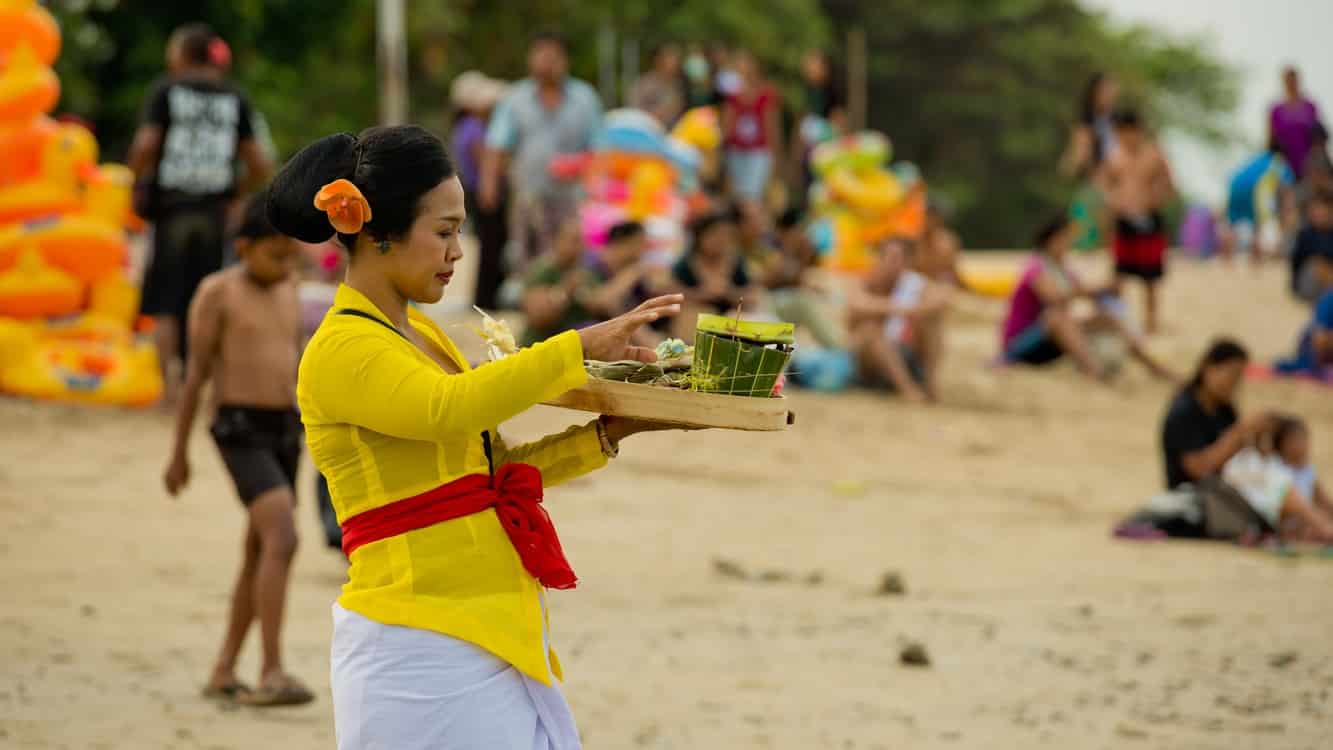
On the morning of Tumpek Uduh, homes, temples, and gardens come alive with color. The offerings, or banten, include:
- Canang sari: small floral offerings made daily, placed at the base of trees and shrines.
- Daksina: a more elaborate offering used for deities, filled with fruits, rice, and symbolic items.
- Bubur sumsum: rice porridge symbolizing nourishment.
- Pengatag: the ritual act of tapping the trees with the porridge, blessing them with fertility.
As the rituals unfold, the sound of gamelan music may echo through villages, while the scent of frangipani and incense fills the air.
Modern Relevance: From Sacred Ritual to Sustainable Living
For centuries, Tumpek Uduh has reminded Balinese communities of their responsibility toward nature. In today’s world, its message feels more urgent than ever.
Rapid development, tourism, and real estate expansion bring opportunity but they also challenge the island’s delicate ecosystem. Tumpek Uduh offers a moment to reflect on how growth can align with environmental respect.
At JK Global Properties, we believe sustainable development isn’t just an industry standard; it’s a cultural duty. By embracing the same principles that guide ceremonies like Tumpek Uduh, we can create communities that honor both modern comfort and ecological integrity.
This means choosing eco-friendly materials, designing green spaces that breathe, and ensuring waste and water systems respect the land.
The Connection Between Faith and Fertility
The rituals of Tumpek Uduh stem from Bali’s ancient agricultural traditions. Before tourism shaped the economy, the rhythm of life was guided by planting, harvesting, and temple ceremonies.
Even today, locals view trees as sacred beings, sources of shade, medicine, and spirit. Banyan trees (waringin), coconut palms, and jackfruit trees are particularly revered.
In some villages, elders bless specific trees that have provided food or shade for generations. The act of touching, decorating, and thanking them reflects an emotional connection between humans and the natural world something that deeply inspires those who seek to live or invest here.
Where to Experience Tumpek Uduh in Bali
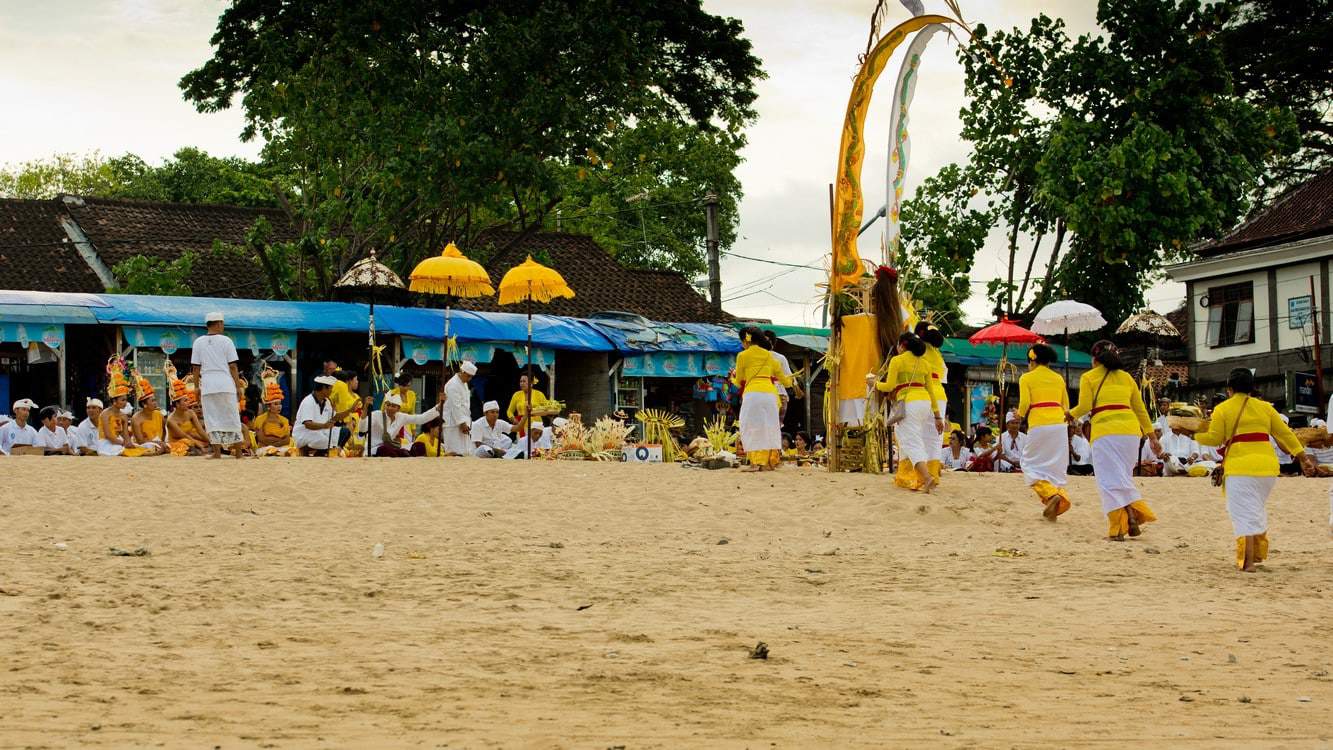
If you’re in Bali around November 15th, , you can witness Tumpek Uduh celebrations in both rural and urban areas.
1. Ubud and Gianyar
The cultural heart of Bali offers a deeply spiritual atmosphere. Temples like Pura Taman Saraswati and family compounds in Tegallalang open their gates to locals preparing offerings.
- Don’t miss: Local farmers blessing their rice fields at sunrise.
- Best experience: Join a guided ceremony or eco-village tour.
2. Tabanan
Known as Bali’s rice bowl, Tabanan’s fields near Jatiluwih (a UNESCO heritage site) provide one of the most picturesque settings for Tumpek Uduh.
- Don’t miss: Subak communities performing collective rituals beside irrigation canals.
- Try: Traditional snacks like klepon (sweet rice balls) and lawar (vegetable salad).
3. Canggu and Seseh
Even in Bali’s trendiest coastal areas, locals maintain spiritual traditions. Here, the fusion of rural culture and modern living is especially visible.
- Don’t miss: Seeing penjor (decorated bamboo poles) rising in preparation for Galungan.
- Experience: Beach walks at sunset followed by local food markets.
4. East Bali – Amed and Sidemen
These lesser-visited regions offer a more intimate view of Balinese spirituality. Many eco-lodges host cultural workshops around Tumpek Uduh.
- Don’t miss: Participating in a cooking class using locally sourced herbs and vegetables.
- Stay: Boutique villas that promote organic farming and reforestation.
Culinary Traditions of Tumpek Uduh
While not as grand as Galungan, Tumpek Uduh still brings people together through food. Families prepare dishes that celebrate Bali’s agricultural abundance.
Some staples you might find include:
- Nasi campur: mixed rice served with vegetables, tofu, and tempeh.
- Lawar: minced vegetables with grated coconut and spices.
- Urab: steamed greens mixed with coconut dressing.
- Klepon: sweet rice balls filled with palm sugar.
- Bubur sumsum: the symbolic porridge used in offerings, later shared among family members.
Visitors are often invited to join family meals or local feasts (megibung), where dishes are shared communally, reinforcing the values of unity and gratitude.
Tumpek Uduh and Sustainable Investment
Tumpek Uduh’s philosophy aligns naturally with sustainable property investment. The balance it celebrates between people, nature, and spirit mirrors what makes Bali’s real estate landscape thrive.
For investors, this means looking beyond short-term returns. Properties that respect their surroundings through green design, water preservation, and cultural integration not only age better but also appeal to the growing eco-conscious market.
Sustainability isn’t a luxury trend in Bali; it’s the backbone of value. The more aligned a property is with local values and the environment, the stronger and longer its appeal.
Activities and Experiences for Visitors
If you’re planning to be in Bali during Tumpek Uduh, here are some ways to immerse yourself respectfully:
- Join a purification ceremony (melukat) at sacred springs like Tirta Empul or Sebatu Temple.
- Visit an eco-farm or permaculture center in Ubud or Karangasem to learn about sustainable agriculture.
- Take part in reforestation projects or community clean-ups organized by local foundations.
- Attend cultural performances or storytelling nights that explore Balinese spirituality and heritage.
From Ritual to Real Estate: A Shared Ethos
For us, Tumpek Uduh isn’t just a holiday, it's a message. It reminds us that every investment, every home, every villa in Bali exists within a living ecosystem.
When we design or develop a property, we do it with the same reverence the Balinese show when they bless a tree: aware that the land gives life, and our role is to protect that life.
This approach doesn’t just sustain nature; it sustains prosperity. A villa that coexists with its environment attracts guests year after year, becoming part of the island’s evolving story rather than a disruption of it.
The Heart of Tumpek Uduh: Gratitude as Growth
At its core, Tumpek Uduh teaches one timeless truth: growth without gratitude is imbalance.
The festival’s gentle rituals, the tapping of a tree, the offering of a flower, the scent of incense rising at dawn all speak to the same universal idea: that prosperity comes when humans live in harmony with their surroundings.
So whether you’re planting a seed, building a home, or starting a business, Tumpek Uduh’s message remains clear: nurture the world around you, and it will nurture you in return.
Closing Reflection
Bali’s strength lies not in its beaches or villas but in its living culture, one that still finds time to thank the earth every 210 days.
As Tumpek Uduh returns on November 15th, take a moment to observe how faith, environment, and prosperity intertwine here unlike anywhere else on earth.
And if you’re thinking about building or investing on the island, remember: every meaningful investment in Bali begins, just like Tumpek Uduh, with a blessing for the land.