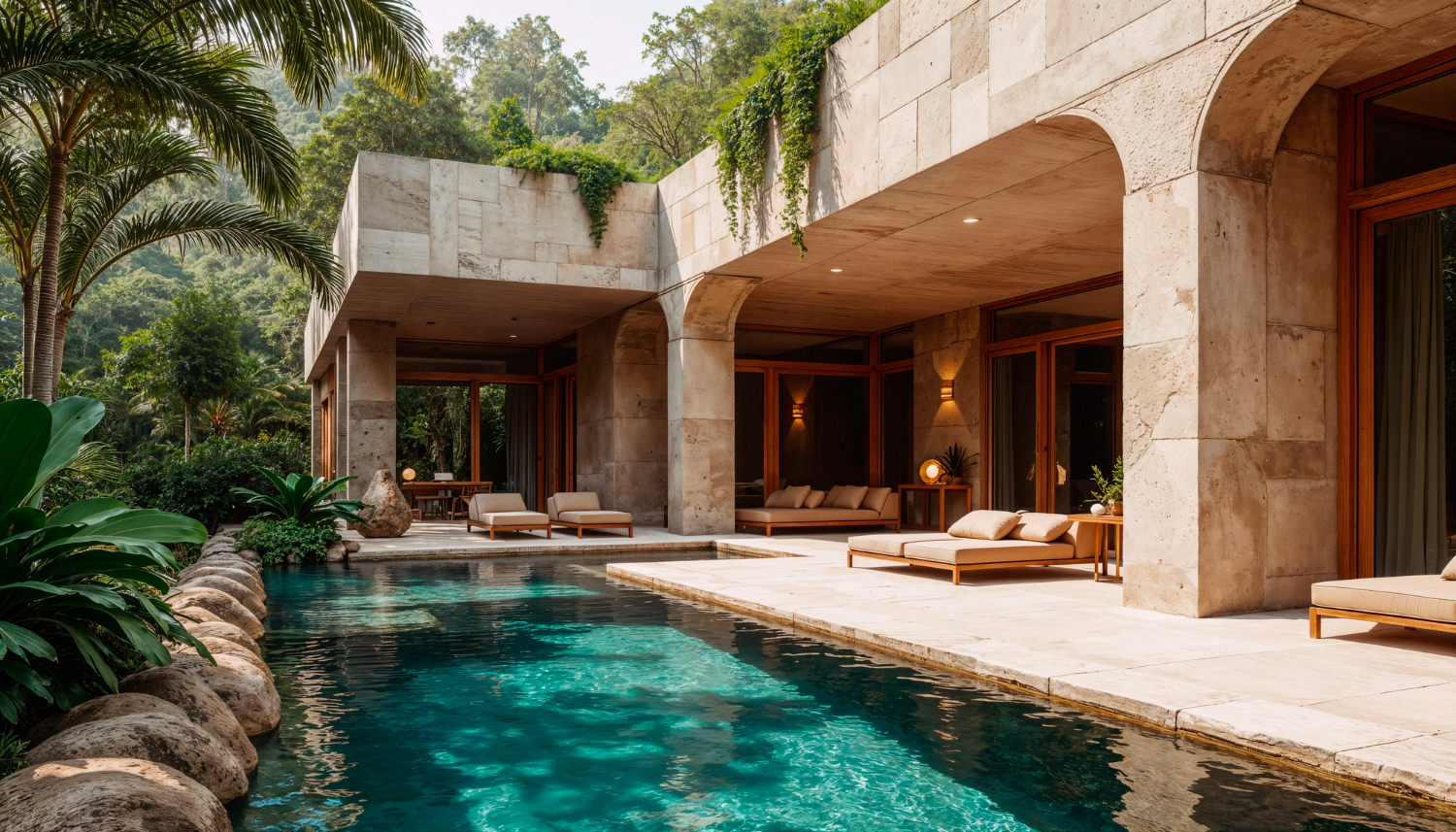
.png)


.png)
Sugihan Bali: Purification, Celebration, and the Art of Preparing for Galungan
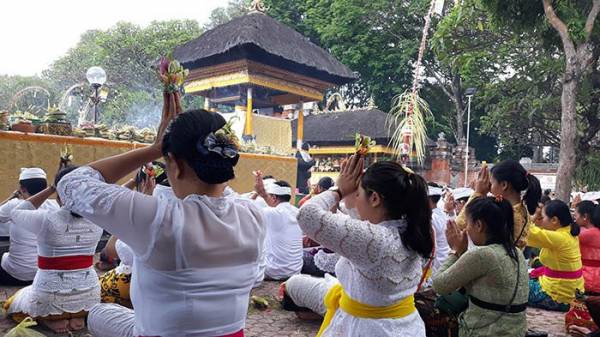
Every island has its rhythm, a pulse that moves through the people, their rituals, and their spaces. In Bali, that rhythm reaches a sacred peak every 210 days with the Galungan cycle. And six days before Galungan, one of the most meaningful dates arrives: Sugihan Bali, which will fall on November 14, 2025.
For Balinese Hindus, Sugihan Bali is not simply a religious ritual. It is a day of inner and outer purification, a moment when people, homes, and even the atmosphere of the island are cleansed to welcome the return of divine balance.
For us at JK Global Properties, this day also represents something universal: the principle that real value is sustained by harmony with culture, with nature, and with the spaces we inhabit. Understanding this ritual helps anyone living, visiting, or investing in Bali connect with the island’s essence on a deeper level.
The Meaning of Sugihan Bali
A Day of Renewal
While Sugihan Jawa (the previous day) honors the descent of the deities to the human realm, Sugihan Bali is focused on the purification of human beings both spiritually and physically. The phrase “Bali” in this context means “to return,” and the ceremony reminds everyone to return to purity and sincerity before Galungan arrives.
Balinese families start the morning early. The air fills with the scent of burning incense, frangipani, and coconut smoke. People clean their houses, decorate temples, and prepare elaborate offerings made of fruit, flowers, and rice. But the purification goes beyond what can be seen. It also involves a cleansing of the mind and heart lahir batin (outer and inner self).
This day carries a beautiful message: before the gods can bless you, you must make space for them.
Rituals and Ceremonies
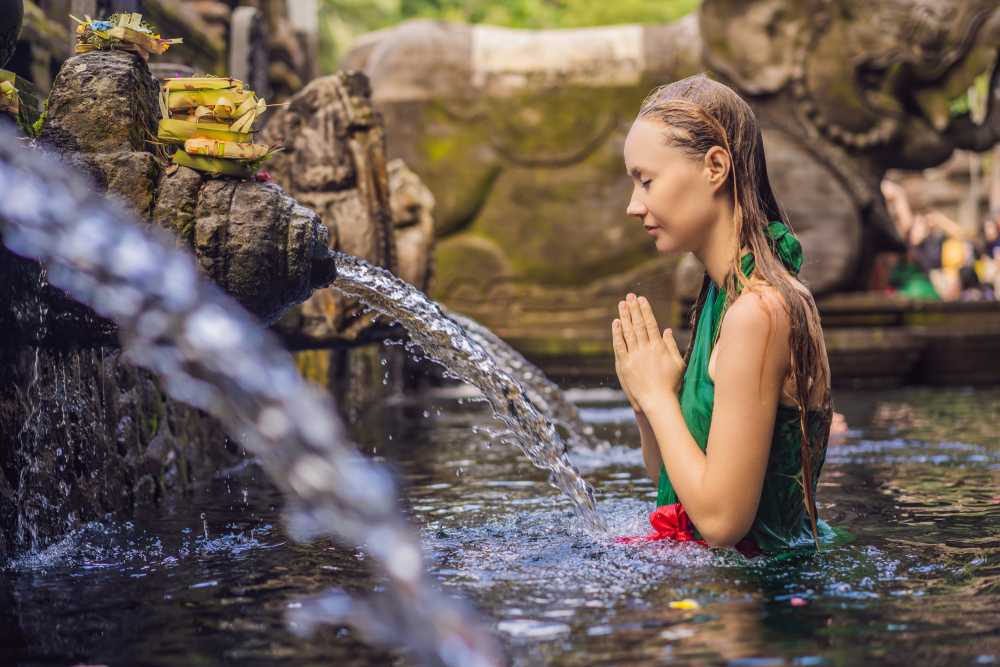
During Sugihan Bali, families visit temples, perform melukat (a water purification ceremony), and prepare segehan small offerings placed on the ground to neutralize negative forces.
Offerings are also made in the family shrine (merajan), and people wear traditional white attire symbolizing purity.
A common phrase shared on this day is “Ngaturang bakti ring Ida Sang Hyang Widhi Wasa” “We offer our devotion to the Supreme God.”
What makes this day visually captivating is the mixture of spiritual fervor and calm. Even in bustling areas like Canggu or Seminyak, you can sense a collective slowing down, a reminder that faith and beauty can coexist with modern life.
Preparing Spaces for the Celebration
For homeowners, villa managers, or hospitality professionals, Sugihan Bali offers the perfect occasion to align your space with the island’s spiritual rhythm. Guests who stay during this period often seek a more immersive experience not just luxury, but meaningful luxury.
Here’s how to prepare your property or villa for the occasion.
1. The Aesthetics of Purity
Cleanliness is central to the philosophy of Sugihan Bali. Before sunrise, ensure that every part of the property reflects freshness: polished surfaces, trimmed gardens, and renewed linens.
Decor can incorporate natural materials such as bamboo, woven palm, or simple wooden trays with flowers. Avoid over-decoration; simplicity is elegance on this day.
Frangipani flowers can be placed near entrances or pools, and small canang sari (floral offerings) arranged by staff show respect for local tradition.
2. The Atmosphere
Scents play a powerful role. Diffuse lemongrass, sandalwood, or cempaka (champaca flower) throughout the villa. The idea is to mirror the feeling of temple purity light, refreshing, meditative.
Soothing background music such as traditional Balinese gamelan or bamboo flute melodies can complete the ambiance, especially during breakfast or sunset hours.
3. The Ritual of Welcome
For hospitality teams, this is a wonderful opportunity to educate guests in a gentle way. A simple note at check-in could read:
“Today Bali celebrates Sugihan Bali, a day of purification and renewal before Galungan. You’ll notice offerings and ceremonies around the island. We invite you to take a moment to enjoy this beautiful energy.”
At high-end properties, a brief symbolic gesture such as providing a bowl of holy water for hand cleansing, or lighting incense at the entrance helps guests feel part of the island’s rhythm without intruding on religious space.
Experiencing Sugihan Bali Around the Island
For travelers or long-term residents, experiencing Sugihan Bali first-hand offers a glimpse into the soul of Balinese life. Each village expresses it differently, but the message remains the same: cleansing leads to clarity.
Where to Go
1. Tirta Empul (Tampaksiring)
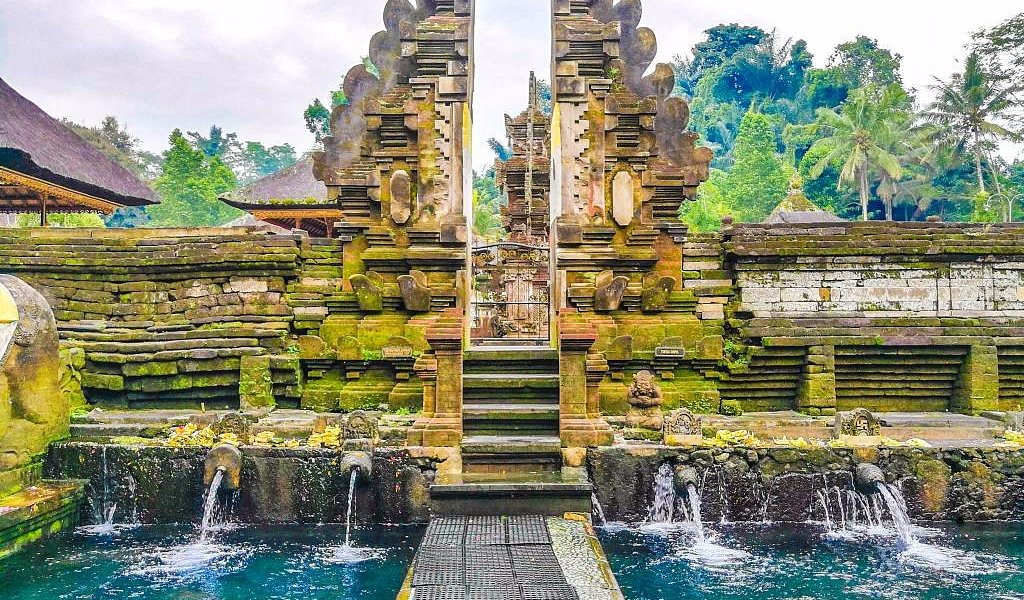
The most famous water temple in Bali, Tirta Empul, becomes a center of activity on Sugihan Bali. Locals and visitors alike perform melukat immersing themselves under the holy springs to wash away negative energy. The sight of devotees in traditional dress under streams of cool mountain water is unforgettable.
2. Pura Petitenget (Seminyak)
In the heart of modern Bali, this seaside temple stands as a reminder of the island’s enduring spirit. On Sugihan Bali, offerings line the entrance, and the soft sound of chanting blends with ocean waves.
3. Ubud and Its Surroundings
Ubud’s smaller temples and family compounds provide a more intimate glimpse into daily rituals. Many homestays or eco-villas organize guided visits to witness or respectfully participate in the preparations.
Food and Flavors of Purification
As with all Balinese celebrations, food carries meaning. On Sugihan Bali, dishes emphasize simplicity, natural ingredients, and balance.
1. Lawar
A traditional dish of finely chopped vegetables mixed with grated coconut and spices. It represents the blend of earthly and spiritual nourishment.
2. Jaja Bali
Colorful rice cakes used in offerings soft, sweet, and steamed in banana leaves. You’ll find them in every local market that week.
3. Nasi Campur Bali
While this dish is served year-round, its festive version includes small portions of meats, peanuts, and sambal matah, a fresh chili and shallot relish.
4. Herbal Drinks (Jamu)
Made from turmeric, ginger, and tamarind, these drinks align perfectly with the theme of purification. They are also a wellness trend among visitors who seek natural rejuvenation.
Many restaurants in Ubud, Canggu, and Sanur design special Sugihan Bali menus that combine traditional recipes with contemporary presentation. Dining becomes both a cultural and sensory experience.
Things to Do During Sugihan Bali
Beyond ceremonies and temples, November 14 offers countless ways to immerse yourself in Bali’s cultural and natural charm.
1. Join a Cultural Workshop
In Ubud, several studios host flower-offering or Balinese cooking classes tied to the festival season. Guests learn to create canang sari, understanding the symbolism of each color and material.
2. Relaxation and Reflection
Many spas offer melukat-inspired treatments, water therapy sessions or herbal body scrubs that mimic the purifying spirit of the day.
3. Photography Walks
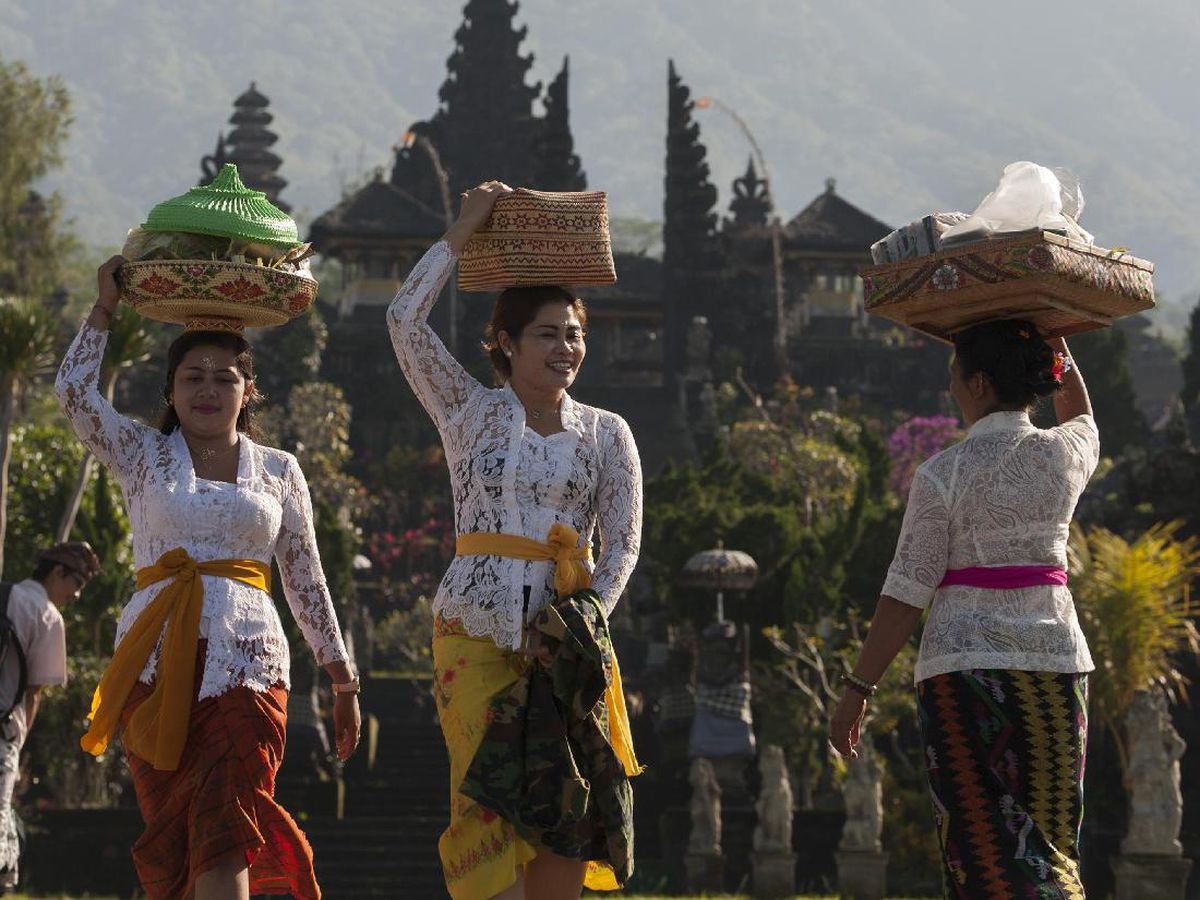
Cultural photographers love Sugihan Bali for its textures: baskets of flowers, temple gates, and women dressed in traditional lace kebayas. Early morning and golden hour offer the most evocative light.
4. Visit Local Markets
Traditional markets such as Pasar Badung (Denpasar) or Sukawati Art Market are especially vibrant. Vendors sell fresh fruits, incense, textiles, and ritual items. It’s the perfect way to see everyday devotion in action.
5. Evening Serenity
At sunset, head to Echo Beach (Canggu) or Jimbaran Bay. Locals often release small offerings into the ocean. The combination of glowing sky and floating petals captures the island’s poetic side.
The Dual Essence: Purification and Prosperity
For investors and homeowners, Sugihan Bali is more than a cultural note on the calendar. It carries a valuable insight: prosperity grows in clean energy physically, spiritually, and environmentally.
When your villa or property embodies the same care locals put into their homes for this day, it sends a powerful message. Clean spaces, balanced design, and respect for tradition create not only aesthetic appeal but also emotional trust. Guests sense authenticity; investors sense longevity.
Properties that align with Bali’s cultural cycles naturally attract repeat visitors, longer stays, and stronger community integration.
Modern Life Meets Ancient Ritual
What makes Bali so fascinating is the way it weaves the modern and the sacred. On Sugihan Bali, you might see a villa owner lighting incense before starting a Zoom call, or a chef pausing kitchen work to place a small canang at the entrance.
This coexistence defines Bali’s identity. It’s not about choosing between spirituality and progress, it's about harmony between the two.
In Canggu or Uluwatu, you’ll find yoga retreats holding meditation sessions inspired by the concept of purification. In Ubud, luxury eco-resorts organize storytelling evenings around the meaning of the Galungan cycle. Even beach clubs subtly adapt: softer playlists, calmer energy, and a collective respect for the day.
A Traveler’s Reflection
If you’re visiting Bali around November 14 2025, here’s what to expect and how to connect respectfully:
- Dress modestly when entering temple areas. A sarong and sash are often required (available for rent at most temples).
- Do not touch offerings placed on the ground or shrines. Step around them respectfully.
- Ask before photographing ceremonies or participants.
- Be mindful of sound and behavior during rituals; silence speaks louder than words.
By showing respect, you become part of the island’s quiet dialogue with the divine.
Places to Stay During the Sugihan Bali Period
As the festival season aligns with Bali’s vibrant tourism cycle, November 2025 will see an increased demand for premium stays. Some standout areas to consider include:
1. Seseh
An emerging area known for tranquility, luxury villas, and proximity to Canggu. Ideal for travelers seeking serenity near the coast.
2. Pererenan
Where tradition meets sophistication. The village atmosphere remains strong, with access to artisanal cafés and yoga spaces.
3. Ubud
Cultural heart of Bali. Perfect for those wanting to witness rituals closely, surrounded by temples and lush rice fields.
4. Uluwatu
Clifftop views and world-class resorts. While less traditional, Uluwatu’s temples and beaches create a reflective environment for Sugihan Bali’s spirit of cleansing.
Choosing to stay in these areas provides guests with access to both cultural authenticity and world-class amenities the best of both worlds.
The Deeper Lesson
At its core, Sugihan Bali teaches that life flourishes when we take time to cleanse what we hold in our spaces, our minds, our intentions.
For the people of Bali, purification is not about perfection; it’s about awareness. It’s a way of saying: “I am ready for good things to come.”
For investors, homeowners, and travelers alike, this same principle applies. A clear, intentional approach whether in property management or personal growth opens space for abundance.
Conclusion
Sugihan Bali is more than a ritual; it is Bali’s way of reminding us that beauty begins with balance.
On November 14, 2025, when the island awakens to prayers, incense, and morning light, something subtle but powerful happens. Every home, temple, and heart cleanses itself to make way for Galungan, the celebration of victory and harmony.
If you are in Bali during this time, take a moment to pause. Watch how locals sweep their courtyards, prepare offerings, and smile as they light the first stick of incense. That small act holds centuries of wisdom.
And if you own or manage a property here, consider this an invitation. Create spaces that breathe with the same energy spaces that honor culture while offering comfort, that welcome both gods and guests with equal grace.