.png)


.png)
Silence is the New Luxury: Navigating the Noise Trap in Bali’s Booming Market
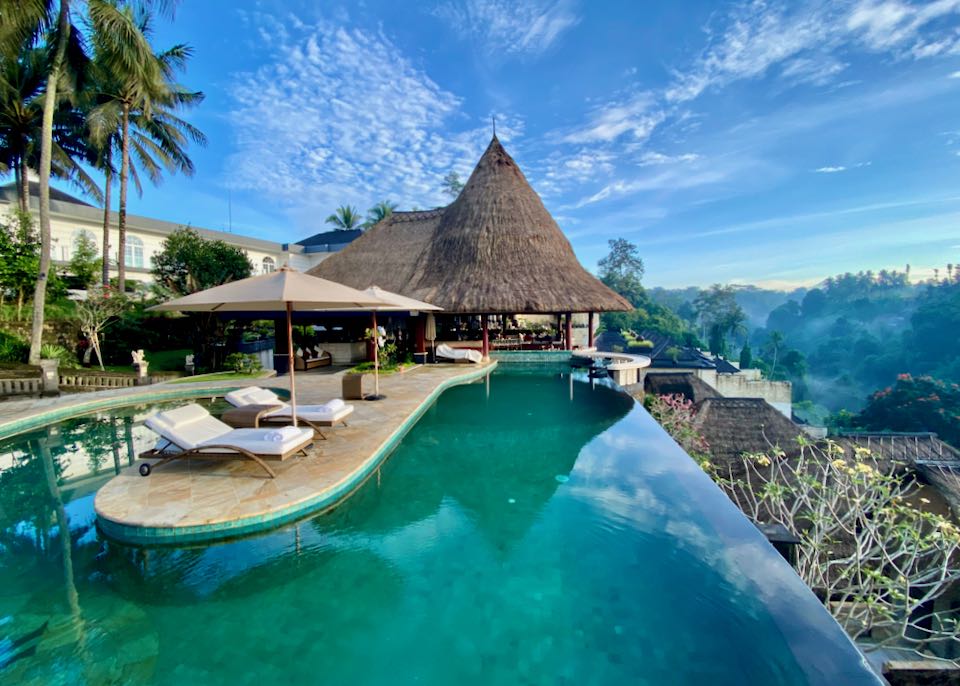
The dream of Bali is almost always auditory: the rustle of palm fronds, the distant crash of the ocean, and the hypnotic hum of cicadas. This is the "Zen" promise that sells millions of dollars in real estate every year. However, the reality of Bali’s most popular investment corridors Canggu, Berawa, and increasingly Pererenan can sound very different. As the island experiences a post-pandemic construction boom and a surge in nightlife venues, the soundscape has shifted. For the uninformed investor, buying a property based solely on visuals without auditing the acoustics is a catastrophic error.
We have identified noise pollution as the single fastest killer of Return on Investment (ROI) in the short-term rental market. A guest may forgive a slow internet connection or a missing towel, but they will not forgive a sleepless night caused by a beach club’s bass or a jackhammer next door. In 2025, silence is no longer a given; it is a premium amenity that must be strategically acquired. This article outlines the geography of sound in Bali, how to perform "acoustic due diligence," and the construction standards required to soundproof your investment against the inevitable growth of the island.
The ROI of Quiet: The Review Economy
To understand the financial impact of noise, one must look at the algorithms of platforms like Airbnb and Booking.com. These platforms rank properties based on guest satisfaction, and "Noise" is now a specific complaint category that triggers severe penalties in search visibility.
The "One-Star" Assassin
Data from hospitality analytics shows that a noise complaint is the leading cause of refund requests.
- The Financial Hit: If a guest complains about noise, platforms often side with the guest, forcing the host to issue a partial or full refund.
- The Reputation Damage: More damaging is the public review. A comment reading "Beautiful villa, but impossible to sleep due to the club next door" is a permanent red flag. It acts as a filter, deterring the high-value demographic (families, wellness travelers, and digital nomads) who pay the highest nightly rates.
- The Depreciation: A property in a "Red Noise Zone" may suffer from lower occupancy rates, forcing the owner to drop prices to compete. This creates a downward spiral where a luxury asset is forced to compete on price with budget accommodations solely because of its sonic environment.
Mapping the Red Zones: The Geography of Sound
Not all noise is created equal, and not all neighborhoods are equally affected. Understanding the specific acoustic profile of each zone is critical for site selection.
The "Bass Radius" of Beach Clubs
The rise of mega-beach clubs in Berawa and Batu Bolong has created specific "Red Zones."
- Low-Frequency Travel: Bass frequencies travel much further than treble frequencies, passing easily through standard walls and glass. A villa located 500 meters from a major club might still feel the vibration of the beat at 10:00 PM.
- The Wind Factor: In coastal areas, wind direction dictates noise travel. A villa might be quiet in the morning but loud in the evening when the onshore breeze carries sound inland.
- Due Diligence Strategy: We advise clients never to buy near a major venue based on a daytime visit. A "Sound Check" must be conducted on a Friday or Saturday night to understand the true acoustic reality.
The Construction Corridors
The second source of noise is temporary but intense: construction.
- The Empty Field Risk: In developing areas like Pererenan or Uluwatu, an empty plot of land next door is not a guarantee of privacy; it is a guarantee of future construction. If you buy a villa next to a vacant lot, you must factor in the risk that for 12 to 18 months of your ownership, your guests will hear construction noise.
- Mitigation: In fully built-out neighborhoods (cul-de-sacs), this risk is lower. In emerging zones, buying a plot where the neighbors are already established or buying a large enough plot to create a sound buffer is the safer play.
The Seseh and Tabanan Advantage
The noise issue in the south is a primary driver for the migration of capital to the west. This validates the investment thesis for Seseh, Cemagi, and Tabanan.
The "Green Zone" Buffer
These areas are characterized by vast tracts of protected agricultural land (Lahan Sawah Dilindungi).
- Zoning as a Shield: Because large swathes of land cannot be built upon, the density remains low. This creates natural sound buffers between properties.
- The "Quiet Luxury" Demographic: Investors moving to these zones are specifically targeting the demographic that is fleeing the noise of Canggu. By offering a product that guarantees tranquility, these villas can command premium rates that rival the busy centers, simply because they offer the luxury of sleep.
Acoustic Due Diligence: The JK Global Standard
How do you verify silence before you buy? At JK Global Properties, we implement a rigorous verification process that goes beyond looking at a map.
1. The 24-Hour Sound Audit
We visit potential sites at different times of the day.
- 08:00 AM: To check for local construction start times and school traffic.
- 02:00 PM: To check for "day club" noise levels.
- 09:00 PM: To identify nightlife bleed and local community events.
2. The Banjar Check
We consult with the local Banjar (community council).
- Zoning Plans: We ask about upcoming permits in the immediate vicinity. Is the empty lot next door slated for a quiet private house or a 200-seat restaurant? The Banjar usually knows before the sign goes up.
- Event Calendars: Some areas are hubs for local ceremonies which can involve loud music and processions. While culturally significant and beautiful, knowing the frequency helps in managing guest expectations.
3. The Topography Factor
In areas like Uluwatu, sound behaves differently due to the cliffs. Sound can bounce off valley walls, amplifying noise from a distant road up to a villa on a ridge. Understanding the physics of the terrain is part of the site selection process.
Construction Standards: Soundproofing the Asset
If you are building in a high-yield area where noise is inevitable, you must engineer the villa to keep it out. Standard Balinese construction (single-layer brick and standard glass) is insufficient for noise isolation.
The Glass Upgrade
Windows are the weakest link in soundproofing.
- UPVC Double Glazing: We recommend upgrading from standard aluminum frames to UPVC double-glazed windows. The air gap between the two panes of glass acts as a dampener, reducing external noise by up to 30-40 decibels. This creates a "sanctuary effect" once the doors are closed.
Wall Density and Insulation
- Double Brick Walls: For walls facing the street or noisy neighbors, we advocate for double-brick construction with an air gap or the use of hebel blocks with acoustic insulation rendering.
- Roof Insulation: Noise doesn't just come from the side; it comes from above. Rain noise on a metal roof can be deafening. Installing high-density rockwool insulation under the roof not only keeps the villa cool but creates a sound barrier against heavy tropical downpours.
Landscape Buffering
Soundproofing isn't just structural; it's botanical.
- The Green Wall: Planting dense vegetation (like bamboo or heliconia) along the perimeter walls absorbs sound waves rather than reflecting them. A thick green buffer can significantly reduce street noise while enhancing the visual privacy of the villa.
The "Enclosed Living" Trend
The noise issue is accelerating the architectural shift from "Open Living" to "Enclosed Living."
- The Evolution: While the open-air living room is iconic, it is acoustically vulnerable. Modern investors are increasingly opting for fully enclosed, climate-controlled living spaces with sliding glass walls.
- The Benefit: This gives the guest the option of openness when it's quiet, but the ability to seal the villa against heat, mosquitoes, and noise when necessary. This flexibility drastically increases the rental marketability of the property.
Silence Sells
In the cacophony of a booming market, silence has become a scarce commodity. It is no longer enough to sell a "tropical view"; you must sell a "tropical atmosphere," and that atmosphere is fragile.
Noise pollution is a risk that can be managed, but only if it is acknowledged early in the investment process. By selecting locations with low-density zoning like Seseh or Tabanan, conducting thorough acoustic due diligence, and investing in high-quality soundproofing materials, you protect your asset's long-term viability.
At JK Global Properties, we listen as carefully as we look. We understand that a peaceful night's sleep is the product you are ultimately selling to your guests. By ensuring your investment is insulated from the noise of growth, we ensure your returns speak loud and clear.