.png)


.png)
Penyekeban Galungan November 16th: The Day Bali Turns Inward Before the Festival of Triumph

In the rhythm of Bali’s spiritual calendar, not every sacred day is marked by noise and color. Some are quieter, more reflective and Penyekeban Galungan is one of them.
Falling on November 16th, this day marks the true beginning of the Galungan cycle, a ten-day period that celebrates the victory of dharma (good) over adharma (evil). Yet, unlike the vibrant processions and temple ceremonies that follow, Penyekeban Galungan invites silence, introspection, and preparation.
It is the calm before Bali’s spiritual storm, a day when the island collectively turns inward to restore balance before welcoming the gods and ancestors who will soon descend to visit their earthly families.
What is Penyekeban Galungan?
The word “Penyekeban” comes from sekeb, which means to cover or to conceal. On this day, Balinese families symbolically “cover” or restrain negative desires the six enemies of the soul known as Sad Ripu:
- Kama (lust)
- Lobha (greed)
- Krodha (anger)
- Moha (confusion)
- Mada (arrogance)
- Matsarya (envy)
The practice isn’t about punishment or denial. It’s about discipline and awareness. In traditional belief, this is the time to strengthen self-control, keeping one’s mind and heart clear before entering the sacred period of Galungan.
For this reason, many families spend the day quietly at home, avoiding unnecessary travel or arguments, dedicating time to prayer, cleaning, and spiritual preparation.
The Symbolism of the Bananas
Penyekeban Galungan also carries a practical side. The day is named after the tradition of ripening bananas, which will be used as offerings for Galungan.
Bananas, one of Bali’s most symbolic fruits, represent sustenance and life. Families wrap them in leaves or store them in clay pots to speed up their ripening, ensuring that they’ll be perfect for the offerings made in the coming days.
This act of patience waiting for something to ripen naturally mirrors the inner ripening of the soul before spiritual celebration.
Preparing the Mind and the Home
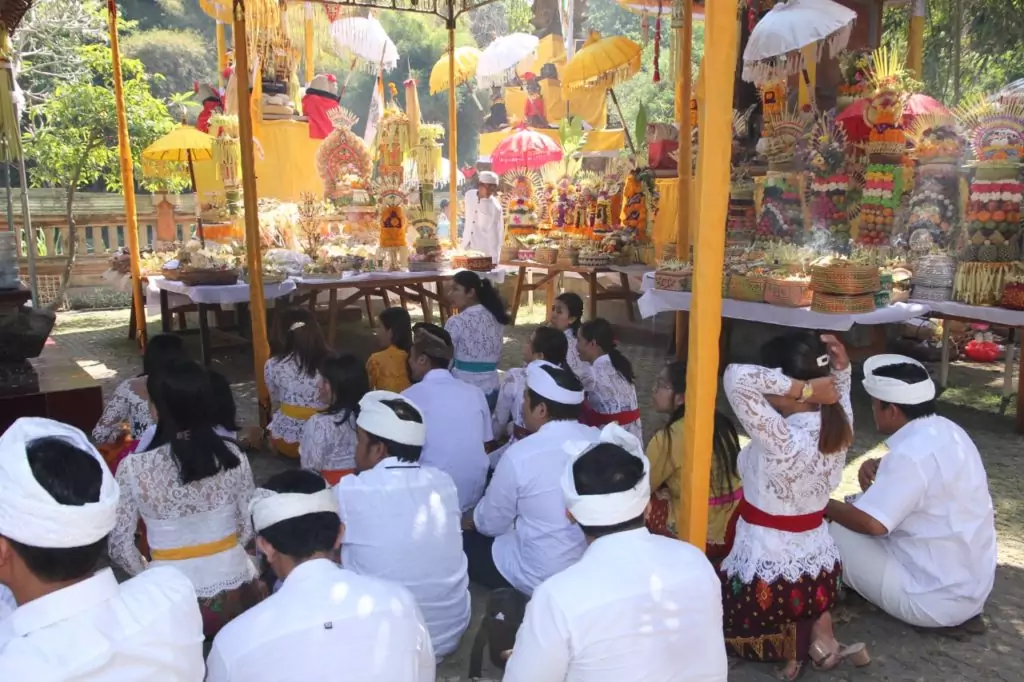
Penyekeban Galungan is both spiritual and practical. The balance of these two elements reflects the way Balinese Hinduism blends everyday life with divine purpose.
Here’s what typically happens during this day:
1. Spiritual Cleansing
Families begin the morning with prayer (sembahyang), asking for clarity and guidance. Many visit temples or their merajan (family shrines) to meditate and make small offerings.
2. Home Preparation
The next day, Penyajan Galungan, will involve more activity, so this day is used for deep cleaning not only physical but emotional. Spaces are decluttered, old items are discarded, and the home becomes a vessel for new energy.
3. Inner Reflection
Some people choose to fast or practice silence for a few hours. The idea is to “turn off the noise” before welcoming divine presence into their lives.
How Penyekeban Shapes the Spirit of Galungan
To understand Galungan fully, you must begin with Penyekeban. It sets the tone for the celebration reminding everyone that the triumph of good over evil doesn’t happen in temples first, but within the human heart.
It’s also a symbolic reset for the entire island. When the sun rises over Bali on Penyekeban morning, a stillness takes over villages. Roads are quieter, shops close early, and even the ocean seems calmer.
This pause reflects one of the island’s most profound strengths: the ability to balance motion with stillness, prosperity with humility, and faith with practicality.
Experiences for Visitors During Penyekeban Galungan
If you’re in Bali during this time, it’s an opportunity to experience a side of the island few tourists ever see, one of introspection, quiet beauty, and community preparation.
1. Witness the Rituals in Villages
Visit smaller villages around Ubud, Tabanan, or Gianyar. Locals might be arranging offerings or preparing ingredients for the upcoming Galungan feast. Many families will welcome visitors who observe respectfully.
2. Visit Temples in Preparation Mode
Temples like Pura Desa Adat Ubud or Pura Luhur Batukaru become centers of prayer and subtle activity. You might see priests preparing holy water, women weaving coconut-leaf decorations, and young men carving bamboo for penjors.
3. Join a Mindfulness Retreat or Meditation Session
Many wellness centers in Canggu, Ubud, and Sidemen host themed sessions that align with the spirit of Penyekeban focusing on release, grounding, and intention setting.
Food Traditions and Flavors
While Penyekeban is a quieter day, the preparation of food begins subtly. Families start collecting ingredients that will be used for Galungan feasts particularly pork (babi guling), satay, and traditional cakes (jaje Bali).
In many homes, women begin preparing spices and base genep, a complex Balinese paste of shallots, turmeric, ginger, garlic, and chili that forms the heart of local cuisine.
Bananas, as mentioned earlier, take center stage not only for offerings but also for dishes like:
- Pisang goreng: fried bananas served with palm sugar.
- Bubur injin: black rice pudding with coconut milk.
- Jaje uli: sticky rice cakes made for upcoming offerings.
The Quiet Before the Color
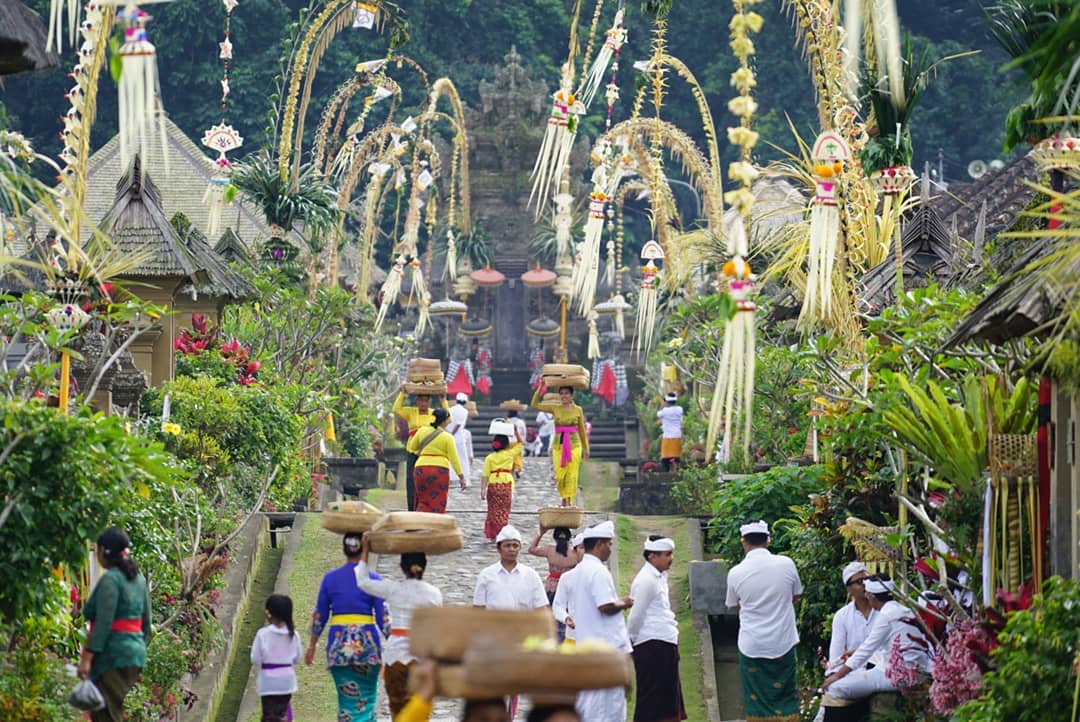
Penyekeban is a day of restraint, but it’s also a prelude to beauty. As the sun sets, villagers start building penjor tall bamboo poles adorned with coconut leaves, flowers, and offerings.
These penjors will line every street within days, transforming Bali into a living work of art. Yet, on this day, only the skeletons of those penjors stand a visual symbol of patience and anticipation.
A Deeper Message for Modern Bali
For investors, residents, and visitors alike, Penyekeban Galungan offers a metaphor that extends beyond religion. It’s a reminder that success whether spiritual or material requires preparation, patience, and grounding.
In real estate, as in faith, the foundations matter most. Before any structure rises, the land must be respected, the purpose clarified, and the vision aligned with balance.
That’s why at JK Global Properties, we often say:
“True investment begins where intention meets respect.”
Penyekeban captures that perfectly; it's the spiritual blueprint for what follows.
Where to Stay During Penyekeban Galungan
For travelers seeking to immerse themselves in this period of spiritual preparation, here are some areas that offer meaningful stays:
1. Ubud
The cultural and spiritual capital of Bali is ideal for experiencing temple preparations, art markets, and mindfulness retreats.
- Best experiences: Early morning temple walks, visiting Tirta Empul’s holy springs, or joining a silent meditation class.
- Stay suggestion: Boutique eco-villas with garden shrines and open pavilions.
2. Tabanan
Known for its lush rice terraces and Subak irrigation systems, Tabanan offers a more rural and authentic setting.
- Best experiences: Watching villagers prepare offerings beside the fields or helping build a penjor.
- Stay suggestion: Traditional Balinese homestays or nature lodges near Jatiluwih.
3. Canggu and Seseh
Even amid Bali’s contemporary charm, Canggu and Seseh retain a deep sense of ritual. Many villas honor the Balinese calendar by decorating with flowers and offerings during festive weeks.
- Best experiences: Morning beach walks, yoga classes, and local community ceremonies.
- Stay suggestion: Villas that blend modern design with local artistry and sustainability.
Preparing Your Property for Galungan Guests
For villa owners, resorts, or hospitality managers, Penyekeban Galungan is the perfect time to elevate the guest experience with cultural authenticity.
Here are a few ways to align your property with the spirit of the season:
- Incorporate Natural Elements:
Add fresh flowers, banana leaves, and incense near entrances or reception areas. - Curate Aromas and Soundscapes:
Use traditional Balinese scents like frangipani, sandalwood, and lemongrass. Soft gamelan music or gentle nature sounds can transform ambiance. - Educate Guests:
Create short information cards or digital displays explaining Penyekeban and the Galungan cycle. Guests value context it deepens their connection to the experience. - Offer Small Blessing Experiences:
Partner with local priests or community leaders to host short morning blessings or meditation sessions for guests.
How to Experience Penyekeban Respectfully
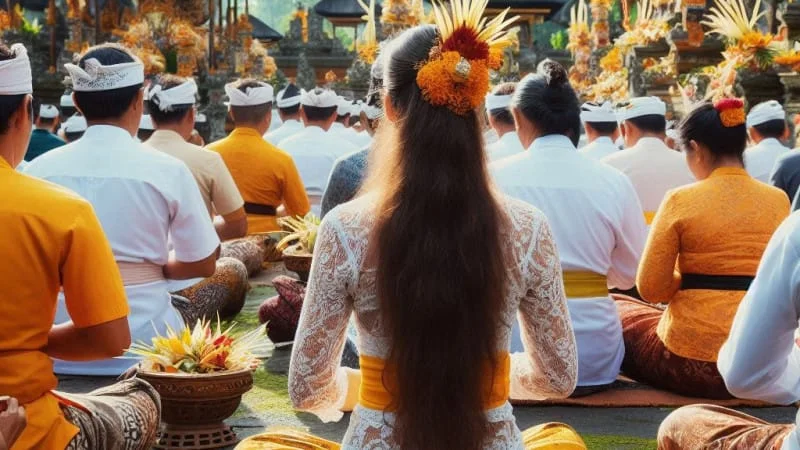
Visitors are welcome to observe or participate quietly, but it’s essential to do so with cultural sensitivity. Here are a few simple guidelines:
- Dress modestly: Wear sarongs and sashes if visiting temples.
- Avoid loud music or parties: Many locals spend the evening in prayer.
- Ask before photographing: Always seek permission, especially in family compounds.
- Participate mindfully: Offering a small flower or lighting incense with locals is often appreciated.
The Calm That Defines Bali
If Galungan is the sound of Bali rejoicing, Penyekeban is its quiet breath before the song begins.
It’s a reminder that harmony doesn’t emerge from chaos it’s cultivated in moments of stillness, preparation, and reverence.
So whether you’re a traveler, an investor, or someone who simply loves this island, take a cue from Penyekeban Galungan: slow down, reconnect with intention, and prepare your own spirit for the abundance that follows.
Because in Bali, even silence has a sacred rhythm.