.png)


.png)
Penampahan Galungan November 18th: How to Experience Bali Like a Local
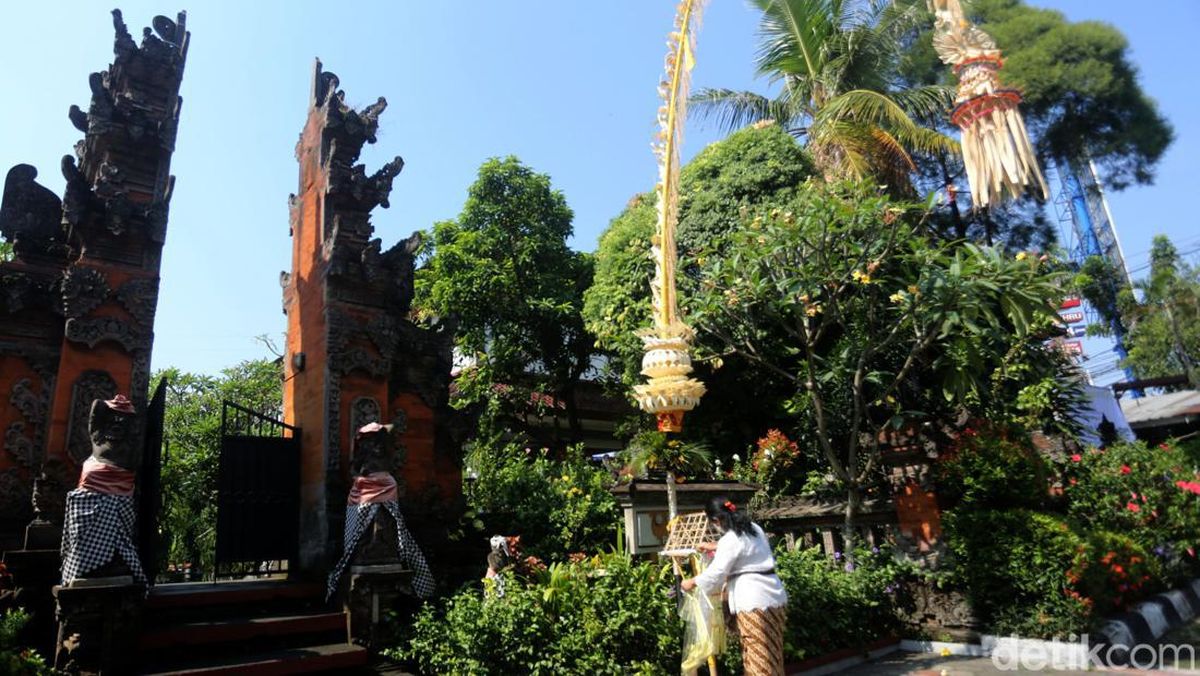
Penampahan Galungan falls on November 18, and marks the final turn before Galungan. It is the day when preparation becomes action, as families complete offerings, raise penjor, and ready kitchens and courtyards for the victory to come.
In daily Balinese life, penampahan also refers to preparing ceremonial food, a practice many families adapt today with care for community standards and personal beliefs. In spirit it is about transformation: raw becomes refined, ingredients become a feast, homes become sanctuaries, and villages become living temples ready to welcome gods and ancestors.
The Iconic Penjor: Beauty With Meaning
Nothing announces Galungan like the sight of penjor rising along village roads. A penjor is a tall, curved bamboo pole decorated with young coconut leaves, rice sheaves, and woven ornaments. Each element carries meaning. The graceful curve evokes Mount Agung and the cosmic axis. The rice clusters and palm leaves symbolize prosperity and gratitude for the harvest. The small shrine near the base, called a sanggah cucuk, receives offerings that anchor blessings at ground level.
On Penampahan, families install the penjor at the gateway of their compounds. Streets transform into avenues of living sculpture. The effect is powerful. You can walk for kilometers under a canopy of green and gold, with the breeze turning the decorations into a gentle dance. For guests and photographers, this is one of the most beautiful scenes in Bali all year.
Rituals and Offerings You Will See
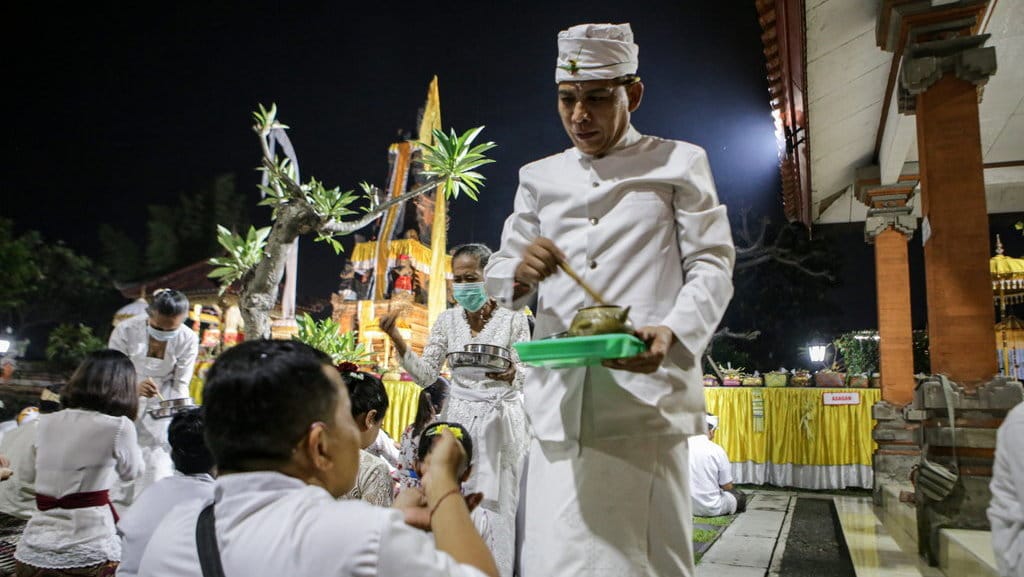
Penampahan is rich in ritual detail. Some of the practices vary by village and family lineage, but several patterns appear across the island.
- Upacara biakala
Before sunset, many families perform a small ceremony to neutralize negative influences and protect the household. Offerings called segehan are placed at thresholds or ground level. The intention is simple and profound. Balance the space. Invite harmony. Begin the feast with a clear heart. - Final preparations in the merajan
The family shrine receives the completed sets of offerings for Galungan. You may see trays filled with rice, fruit, cakes, betel leaves, incense, and flowers. Women often lead the weaving and assembly of banten, while men handle structural tasks like penjor and courtyard arrangements. Everyone plays a role. - Community coordination
Neighborhoods coordinate traffic, music volume, and visiting hours. Leaders of the banjar guide the flow so the next day’s ceremonies start on time and with respect.
The Kitchen Becomes the Temple
While incense curls in courtyards, kitchens come alive. Penampahan is the peak of culinary preparation for Galungan. Food is not an afterthought. It is central to the ceremony, because feeding family, neighbors, and guests is a fundamental act of devotion.
Typical dishes you will encounter include:
- Lawar. Finely chopped vegetables or young jackfruit mixed with grated coconut, spices, and herbs. There are many regional variations.
- Satay lilit. Minced fish or meat blended with coconut and spices, wrapped around lemongrass or bamboo skewers, then grilled over charcoal.
- Babi guling. Roast suckling pig seasoned with base genep, the aromatic paste that defines Balinese flavor. Some families substitute with poultry or plant-forward menus.
- Urutan. Balinese sausage spiced and sun-dried before frying or grilling.
- Tum. Banana-leaf parcels filled with spiced fish or chicken, steamed until tender and fragrant.
- Jaje Bali. Festive sweets such as klepon, laklak, jaje uli, and dadar gulung.
- Tipat and lontong. Compressed rice cakes that pair with satay and vegetable dishes.
- Sambal matah. Raw chili and shallot relish with lemongrass and coconut oil, bright and fresh.
If you are visiting a local market early on Penampahan, you will see piles of fragrant herbs, chilies, galangal, turmeric, and stacks of banana leaves ready for wrapping. The sound of pestles grinding spices is constant. Kitchens hum with cooperation and laughter. Many families cook enough to share with neighbors and to host relatives who arrive for Galungan Day.
Where To Experience Penampahan Like a Local
Bali offers several ideal locations to witness the essence of Penampahan. Choose one area and plan your day around observation, a workshop, and a simple meal that reflects the season.
- Ubud and surroundings
Ubud’s family compounds are a gateway to quiet, intimate preparation. Early morning market visits to Pasar Ubud or nearby traditional markets reveal the ingredients and tools that define the day. In the afternoon, look for workshops that teach basic banten weaving or leaf ornament crafting. Even a one hour session changes how you see the decorations later on. - Tabanan and Jatiluwih
The rice terraces around Jatiluwih bring the agricultural roots of Galungan to life. Villagers prepare penjor with an eye on the fields that feed the island. The views are stunning. Pair a terrace walk with a village lunch and you have a complete cultural day. - Seseh, Cemagi, and Pererenan
These coastal villages near Canggu keep strong ritual rhythms while living close to Bali’s modern lifestyle. You can watch penjor go up along narrow roads that still feel rural, then walk to the beach for sunset as families finish offerings. The contrast between ocean horizon and temple song is unforgettable. - Gianyar and Bangli
Temples in these regencies preserve a deeply communal style. Ask a licensed local guide to introduce you to a family compound where observation is welcome. Respectful presence matters more than perfect knowledge. - East Bali, Sidemen and Amed
If you want a slower pace, the valleys around Sidemen and the coastal villages near Amed offer peaceful preparation scenes with views of Mount Agung on clear days. Several eco-lodges curate cultural days that include cooking and craft.
Things To Do On Penampahan
Plan the day as a series of experiences that reveal how preparation becomes celebration.
- Morning market walk: Learn the names of herbs, smell spices, and observe how offerings are assembled from simple materials.
- Penjor making demonstration: Watch how a long bamboo is bent, decorated, and anchored safely. You will never see a penjor the same way again.
- Offering workshop: Try weaving a small sampian or arranging a canang sari under the guidance of a local artisan.
- Temple observation: With a sarong and sash, visit a community temple in late afternoon as families arrive with baskets of offerings.
- Sunset reflection: End at a beach or rice terrace viewpoint. The island quiets as incense and cooking smoke blend with the evening light.
Always ask before photographing people and offerings. A smile, a quiet thank you, and a small purchase from a market stall are appreciated gestures.
What To Eat If You Are Visiting
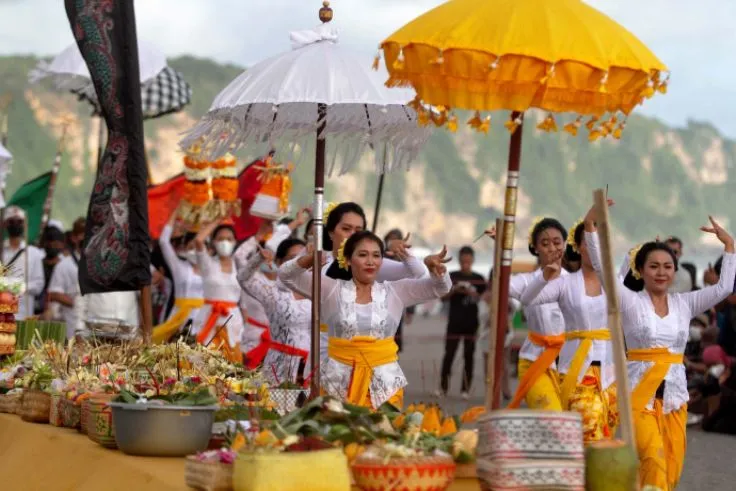
Seek out simple, well prepared versions of classic dishes rather than the most elaborate banquet. A perfect plate tells the story of the day.
- Lawar merah or lawar putih depending on the village tradition.
- Satay lilit served with tipat and sambal matah.
- A tasting of jaje Bali with coffee or tea in the afternoon.
- If available and aligned with your preferences, a small portion of babi guling from a trusted family kitchen. Many guests also choose poultry or plant-based alternatives that celebrate the same spice profiles.
If you are staying in Ubud or Canggu, several restaurants create Penampahan menus that adapt traditional flavors with modern presentation. Ask for a menu note that explains the context. The story enriches the taste.
Photography and Etiquette
Penampahan is visually irresistible. To keep the experience respectful and welcoming for everyone:
- Wear a sarong and sash for any temple visit. Shoulders covered is best.
- Ask before photographing people, especially elders and children.
- Do not step over offerings. Walk around them, even on busy paths.
- Keep voices low near shrines and during evening ceremonies.
- If invited to taste food, accept a small portion and offer thanks. Hospitality is part of the day.
For Long-Stay Guests and Residents
Penampahan is a good day to organize the home just like Balinese families do. Tidy balconies and gardens. Place a small flower at the threshold. Light incense or a candle for a few minutes at dusk. Prepare a simple, balanced dinner with seasonal ingredients. The practice is not about performance. It is about intention. The feeling of alignment often surprises people who are new to the island.
The Investment Lens: Why This Day Matters
From an investor’s perspective, Penampahan showcases why Bali’s cultural calendar is a strategic asset. Properties that understand and respect these rhythms create environments that guests remember. This is not only a matter of aesthetics. It influences occupancy, reviews, repeat stays, and word of mouth among long-stay residents who want more than a beautiful villa. They want belonging.
Integrating cultural intelligence into design and operations does not require grand gestures. It requires small, consistent choices. Natural materials, calm lighting, space for offerings near the entrance, trained staff who can explain significance in simple language, menus that reflect the season, and partnerships with local artisans. Over time, these choices create trust and preference. That is the foundation of brand value in Bali.
Common Questions Visitors Ask
Is everything open on Penampahan
Many shops operate in the morning and early afternoon, then close earlier than usual. Restaurants in tourism zones remain open with lighter energy. Expect quieter streets after sunset.
Can guests participate in offerings
Guests are often welcomed to observe and sometimes invited to place a flower or light incense under guidance. Always wait to be invited and follow the host’s lead.
What should I wear
For temple visits, wear a sarong and sash, with shoulders covered. For village walks, modest clothing is appreciated.
Where are the best places to see penjor
Any traditional village street is beautiful. Cemagi, Seseh, parts of Pererenan, Ubud’s side streets, and Tabanan’s village roads are especially scenic.
A Closing Reflection
Penampahan Galungan is the eve of victory, but it is also a victory in itself. The victory of patience over hurry. The victory of craft over convenience. The victory of community over isolation. Watching a family raise a penjor or place the final offering in a shrine reveals a truth at the heart of Bali. Preparation is not a chore. It is devotion made visible.
If you are here on November 18, slow down with the island. Walk under the penjor, breathe the scent of incense and cooking spice, and listen to the gentle quiet that settles after dark. You will feel why the next morning carries so much light.
And if you own or manage a property, let this day guide your touch. Keep things simple, sincere, and beautifully made. Guests will notice. The village will notice. Most importantly, you will notice how a space changes when it moves with the calendar of a place rather than apart from it.