.png)


.png)
Pemaridan Guru November 22nd: A Quiet Day of Gratitude in Bali
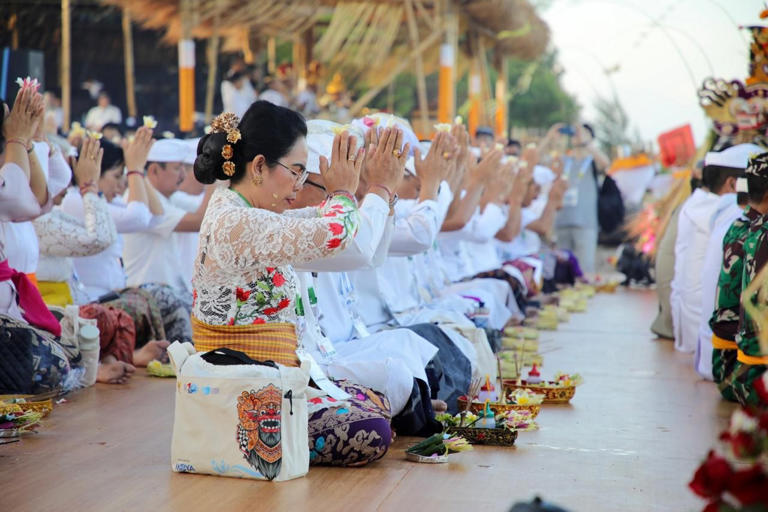
Pemaridan Guru November 22nd is one of the lesser known yet deeply meaningful days in the Balinese Hindu calendar. It comes shortly after Galungan, when the island is still full of offerings, incense and the presence of ancestral spirits.
If Galungan symbolizes the triumph of clarity over confusion, Pemaridan Guru is the gentle return to order, gratitude and spiritual grounding, a moment when families honor the deities as they withdraw to the higher realms and give thanks for blessings of health, prosperity and protection.
The mood on Pemaridan Guru November 22nd is beautifully calm. Villages are peaceful yet spiritually active, penjor arches still line the streets and families continue to visit temples in a quieter rhythm.
For travelers, expats or foreign property investors, this day offers a meaningful lens into Balinese values and shows how spirituality is woven into everyday life, community relations and even the way land and homes are cared for.
What Pemaridan Guru Represents
Pemaridan Guru marks the symbolic moment when the deities who descended to Earth during Galungan begin their return to Sunyaloka, the spiritual realm.
Locals believe that during this transition the gods leave blessings of long life, safety and harmony behind. It is not a day of loud ceremonies but rather one of gratitude and quiet devotion.
The concept of “guru” in Balinese Hinduism refers not only to teachers in the human world but also to divine guidance. On Pemaridan Guru, the focus is on recognizing the wisdom received during the sacred days of Galungan and applying it to daily life.
It is a reminder to stay aligned with dharma, maintain balance and continue the values learned during the festivities: compassion, patience, discipline and gratitude.
How Balinese Families Celebrate
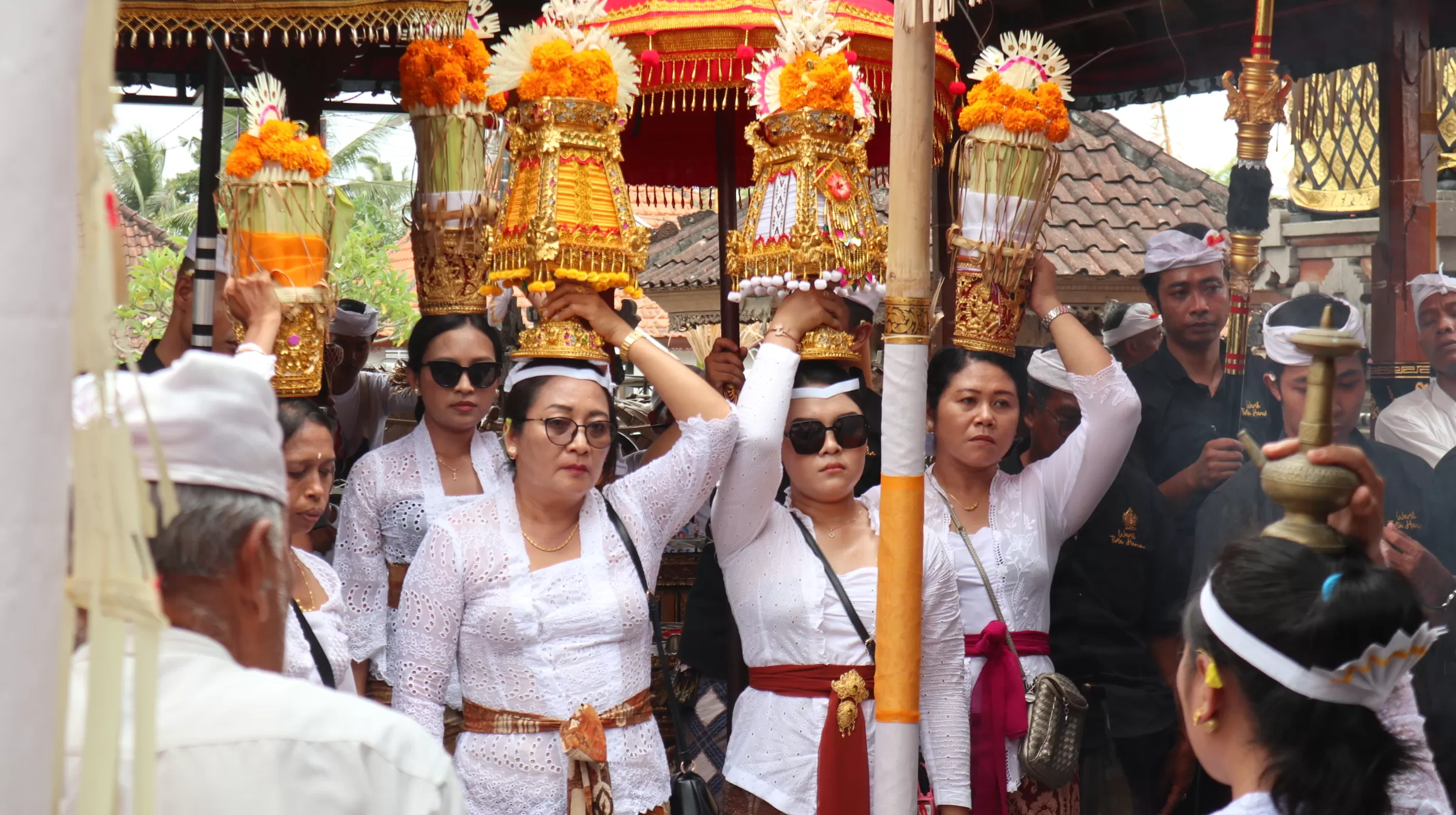
Most celebrations take place at the merajan, the family temple located within each household compound.
Families prepare small and medium sized offerings made of flowers, coconut leaves, fruits and incense. Unlike Galungan, this is not a day filled with large banquets or intense preparation. Instead, the rituals are simple, elegant and rooted in introspection.
Some activities include:
- Refreshing the Canang Sari offerings placed throughout the home
- Praying quietly in the merajan
- Cleaning and tidying the temple space
- Sharing simple meals as a family
- Offering gratitude for protection during Galungan
The day feels intimate and peaceful. The energy is lighter than the days before, allowing both locals and visitors to feel the natural rhythm of the island’s spiritual cycle.
Where to Experience Pemaridan Guru in Bali
Since Pemaridan Guru is not a public spectacle, the best places to experience it are authentic Balinese villages where the domestic rhythm of ritual is still preserved.
These include:
1. Seseh and Cemagi
Quiet seaside villages where life flows slower. Walking through the lanes you may see families placing fresh offerings at shrines by the road.
2. Pererenan
A balanced mix of local and expat communities. Temples remain active after Galungan and the energy is warm and welcoming.
3. Ubud
A cultural center where households maintain strong ceremonial traditions. Many homestays or resorts hold simple offering rituals for guests.
4. Tabanan
An agricultural region where sacred days are deeply respected. Temples like Pura Luhur Batukaru maintain a calm yet spiritually charged environment.
Visitors are always encouraged to observe respectfully: dress modestly, avoid interrupting ceremonies and refrain from taking intrusive photos.
Foods Associated With the Day
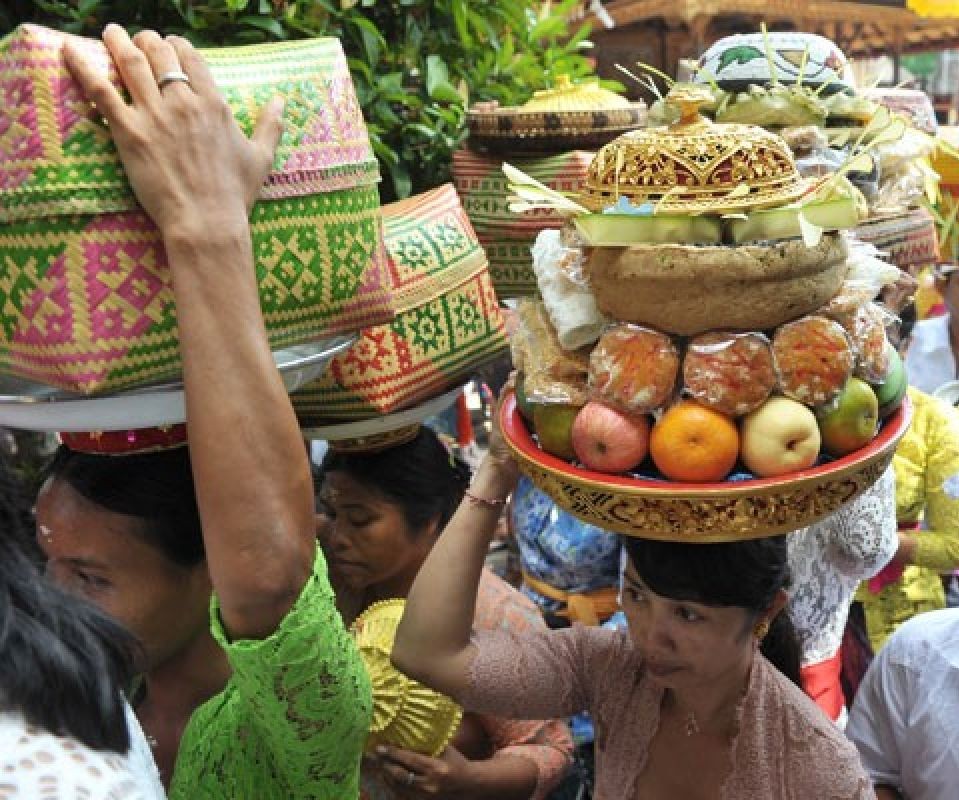
While Pemaridan Guru is not known for extravagant meals, there are still foods that commonly appear on family tables. These dishes symbolize gratitude, simplicity and abundance.
Popular choices include:
- Jaje Bali: sticky rice cakes in soft colors
- Fruits like salak, bananas or papaya
- Lawar in lighter, home style variations
- Rice and vegetable dishes that are easy to prepare after the big Galungan feast
Some warungs may offer special menus during the post Galungan period, usually focusing on traditional comfort food.
Activities and Places to Visit on Pemaridan Guru
While the day is spiritual, it is not restrictive. Many Balinese people enjoy relaxing, visiting relatives or taking small family outings. For travelers, this creates opportunities to explore without large crowds.
Recommended activities include:
- Walking through penjor lined streets in Canggu or Pererenan
- Visiting temples where quiet prayers are being held
- Exploring rice fields in Ubud or Sidemen
- Going to cultural museums in Denpasar or Tegallalang
- Enjoying local markets where post festival treats are sold
The island feels serene, making it a pleasant day for scenic exploration.
How Villas and Hospitality Spaces Prepare
Villa owners and hospitality teams often prepare for Pemaridan Guru by creating an environment that feels aligned with local customs.
This is especially relevant for properties hosting international guests.
Key preparation practices include:
- Placing small Canang Sari offerings in outdoor areas
- Ensuring the villa is clean and peaceful
- Adding soft gamelan music during the day
- Providing guests with a short written explanation of the day
- Offering recommendations for respectful observation
These gestures elevate guest experience and show cultural awareness, which is increasingly important for premium travelers who value authenticity.
How Pemaridan Guru Influences Real Estate and Long Stay Demand
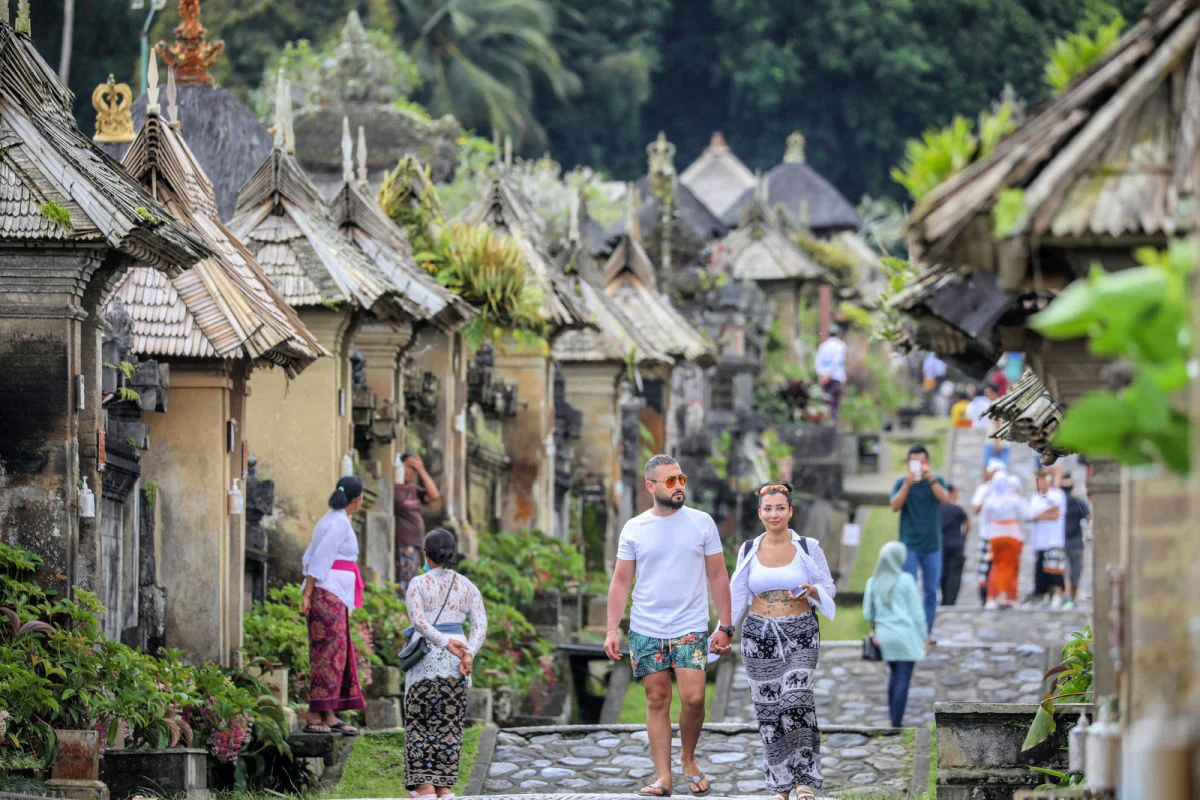
Sacred days in Bali are not only cultural markers but strong indicators of lifestyle rhythms. Understanding them helps foreign investors make smarter decisions about where to buy, how to design and how to market their properties.
1. Rising demand for culturally connected villages
Areas like Seseh, Pererenan, Tabanan and Ubud attract long stay guests who want quiet, spiritually rich environments. These neighborhoods align perfectly with the values expressed on Pemaridan Guru.
2. Value of properties near temples and organic communities
Many buyers seek locations where traditional ceremonies still happen, because this enhances the guest experience. Villas near strong cultural hubs hold long term appeal.
3. Hospitality expectation
Guests increasingly want:
- Cultural explanations
- Access to village life
- Authentic surroundings
- Local festival guidance
Properties that understand and integrate this create higher occupancy and stronger word of mouth.
4. Investment stability
Cultural consistency is a major reason Bali remains a long term investment destination. Days like Pemaridan Guru illustrate how deeply rooted traditions shape the identity of each neighborhood. This stability attracts buyers seeking more than just rental returns.
Why Pemaridan Guru Matters for Life in Bali
This sacred day reminds locals and visitors that Bali’s power lies not only in beaches or sunsets but in the cultural heartbeat that flows through every village.
Pemaridan Guru shows that spiritual life continues even after the major festival has passed. It teaches that gratitude, balance and discipline are ongoing practices.
For expats choosing Bali as a long term home or for investors exploring the island’s real estate market, understanding traditions like this is essential.
It shapes how you design your space, interact with your community and present your property to guests. Respecting these rhythms builds harmony, trust and long term success.
Conclusion
Pemaridan Guru offers one of the most peaceful, meaningful and culturally rich days in the Balinese calendar. It is a moment of gratitude as divine guidance returns to the higher realms and families reflect on the blessings received during Galungan. For travelers, it reveals Bali beyond tourism.
For long stay residents, it deepens their appreciation of local life. For investors, it highlights the value of choosing neighborhoods that honor tradition.
Understanding Pemaridan Guru helps you see Bali not only as a destination but as a living culture.
And when real estate aligns with culture, hospitality becomes more thoughtful, demand grows organically and every property becomes part of the island’s story.