.png)


.png)
Pemacekan Agung November 24th in Bali: Rituals and Experiences
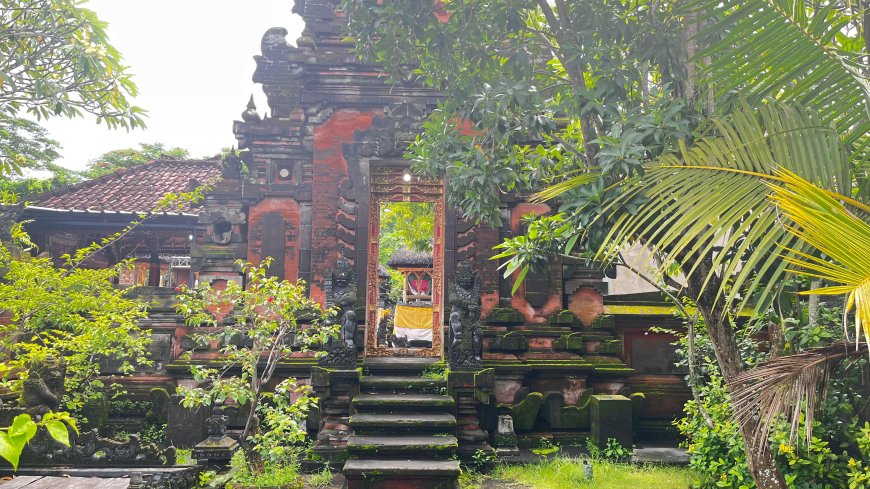
Pemacekan Agung November 24th is one of the most overlooked yet spiritually significant days in the Balinese Hindu calendar. It arrives shortly after the height of the Galungan period, at a time when the island begins to transition from celebration to grounding. While Galungan and Umanis Galungan are filled with visible rituals, decorated streets and constant movement, Pemacekan Agung brings a quieter shift in energy, centered on protection, cleansing and maintaining harmony after days of intense spiritual activity.
For visitors, expats and long term residents, Pemacekan Agung November 24th offers a rare window into the deeper layers of Balinese spirituality that do not usually appear on tourist maps. It is a day when families place special offerings to secure peace within their compounds, banjars perform protective rituals and temples prepare the community for the closing phase of the Galungan cycle.
Understanding the Essence of Pemacekan Agung
Pemacekan Agung is a day dedicated to securing spiritual protection. The word “pemacekan” refers to stabilizing or safeguarding a space so negative forces cannot disrupt harmony. It is essentially a community wide effort to reinforce the balance established during Galungan.
Why Pemacekan Agung Matters Spiritually
This observance highlights three essential elements:
Protective intention
After days of ceremony, prayer and ancestral presence, families reinforce the spiritual boundaries of their homes and temples.
Rebalancing energy
Rituals focus on restoring equilibrium after the intensity of Galungan, ensuring that no lingering negative influences remain.
Strengthening unity
Families gather to prepare protective offerings, and banjars coordinate community rituals that align everyone toward collective harmony.
It is a soft yet powerful day that reveals how deeply Balinese life is woven into rhythms of alignment, gratitude and protection.
How Balinese Families Celebrate Pemacekan Agung
Although the rituals vary slightly from village to village, several practices are widely observed across the island.
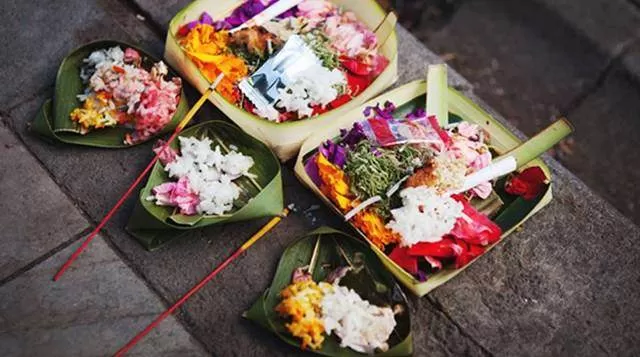
Special protective offerings
Families prepare:
- Segehan merah putih (red and white offerings placed on the ground)
- Canang sari with salt, flowers and incense
- Simple fruit offerings dedicated to Sang Hyang Widi
These are placed at strategic points around the house, gate and family temple (merajan) to reinforce blessings and neutralize unwanted energy.
Purification of home spaces
Typical actions include:
- Sweeping courtyards
- Refreshing penjor decorations
- Cleaning shrines
- Burning incense to cleanse air and energy
Even modern villas incorporate these practices through staff teams who understand the cultural rhythm.
Temple visits
Families visit their banjar temples to participate in community prayers led by local priests. The atmosphere is peaceful and focused, with fewer crowds than during Galungan.
Where to Experience Pemacekan Agung in Bali
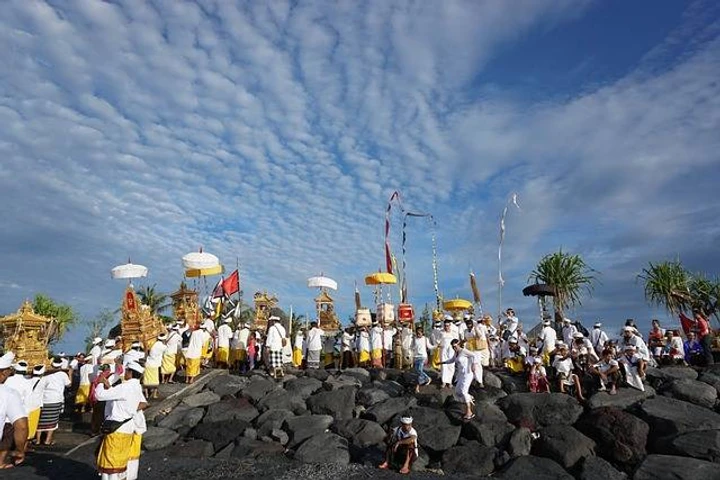
Unlike the more visible Galungan days, Pemacekan Agung is subtle, so the best places to observe it lie within traditional areas where community culture remains strong.
Seseh and Cemagi
These coastal villages maintain rich traditions while staying close to Canggu. Visitors will see families preparing segehan in their gates, smell incense drifting through the streets and witness small groups heading to local temples.
Ubud’s village compounds
Walking through Penestanan, Nyuh Kuning or Junjungan offers an intimate window into household rituals. While ceremonies are private, the atmosphere itself teaches a great deal about the cultural heartbeat of Bali.
Tabanan’s agricultural communities
Rural landscapes, open rice fields and ancient temples provide a beautiful backdrop to the day’s protective meaning.
Uluwatu and Bingin
Even in the southern peninsula, where villas and surf culture dominate, Pemacekan Agung retains importance among local families. Many temples host small purification ceremonies in the morning.
For respectful observation, it is always recommended to:
- Dress modestly
- Avoid entering family compounds unless invited
- Observe from a distance
- Visit public temples with proper attire
Foods Prepared During Pemacekan Agung
Food traditions for this day are simpler than those of Penampahan or Galungan. Families focus on balanced, symbolic dishes that reflect protection, purity and gratitude.
Common foods include:
Nasi putih
White rice symbolizing clarity and protection.
Vegetable lawar
A lighter version of the Galungan dish, often made without meat.
Fruits for offerings
Bananas, coconuts and oranges used for ceremonial trays.
Jajan pasar
Sweet rice cakes prepared for temple visits.
Many local warungs offer lighter ceremonial menus during this day, especially in Ubud and Tabanan.
Recommended Activities for Travelers During Pemacekan Agung
Because the day is peaceful and centered on grounding, it pairs well with experiences that align with its energy.
1. Visit quiet temples
Great options:
- Pura Taman Ayun (Mengwi)
- Pura Dalem Seseh
- Pura Gunung Kawi Sebatu
These temples remain active yet uncrowded.
2. Take a cultural walk through traditional villages
Slow walks allow visitors to see the small details: offerings on doorsteps, incense trails and families preparing simple rituals.
3. Join purification experiences
Wellness centers often offer:
- Melukat ceremonies
- Sound baths
- Meditation sessions
Perfect for matching the day’s grounding tone.
4. Explore nature in its calmest state
Recommended:
- Jatiluwih rice terraces
- Seseh beaches
- Sidemen valley
How Pemacekan Agung Shapes Real Estate Trends and Lifestyle Choices
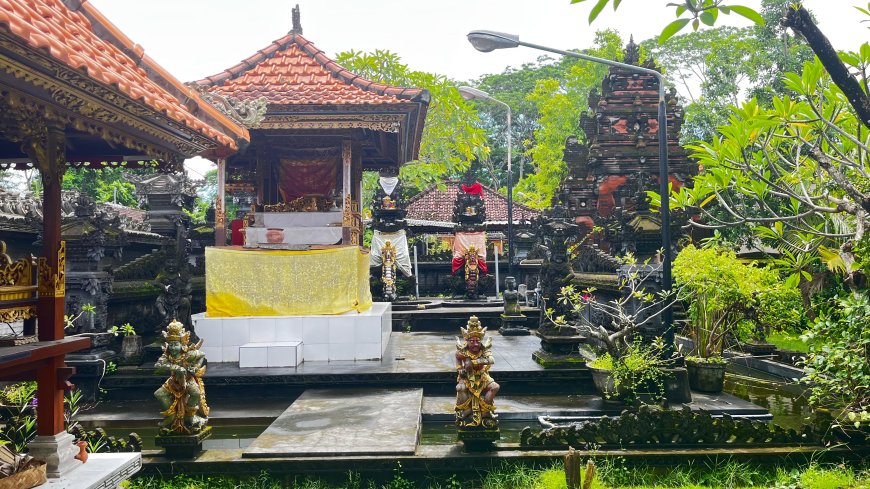
Understanding days like Pemacekan Agung is essential for anyone living, buying or investing in Bali. Cultural rhythms influence community interactions, property appeal and even where foreigners choose to settle.
Culture driven neighborhoods attract conscious residents
Areas like:
- Seseh
- Pererenan
- Tabanan
- Ubud
Continue to attract investors seeking authenticity, tranquility and proximity to spiritual life.
Villas that respect cultural cycles build stronger community ties
Foreign investors with cultural awareness:
- Build better relationships with banjars
- Navigate regulations more smoothly
- Gain long term stability
- Improve the reputation of their properties
Ceremonial seasons impact occupancy
Understanding ritual calendars helps property owners:
- Predict lower occupancy windows
- Plan villa maintenance
- Adjust marketing strategies
- Create cultural themed guest experiences
Culturally rich locations gain higher long term value
Foreign guests increasingly seek meaningful stays. Properties near cultural hubs often perform better in long term ROI because they offer more than just amenities; they offer identity.
Best Places to Stay for Ulihan Observers
If visitors want an immersive yet comfortable experience, these locations offer the perfect mix of culture and lifestyle:
- Seseh and Pererenan for calm coastal spirituality
- Ubud for temple access and wellness experiences
- Bingin and Uluwatu for scenic quiet stays
- Tabanan for rural authenticity
Final Perspective on Pemacekan Agung
Pemacekan Agung may not be the most widely known Balinese festival, but it holds an essential place in the spiritual cycle that defines the island. It represents protection, balance and the gentle stabilization of energy after days filled with ritual intensity.
If you want support finding or managing a home in cultural focused areas like Seseh, Ubud, Tabanan or Pererenan, we guide you through the process with clarity, respect and local understanding.