.png)


.png)
Mapping the Profit: A Strategic Guide to the Best Area to Buy Villa in Bali
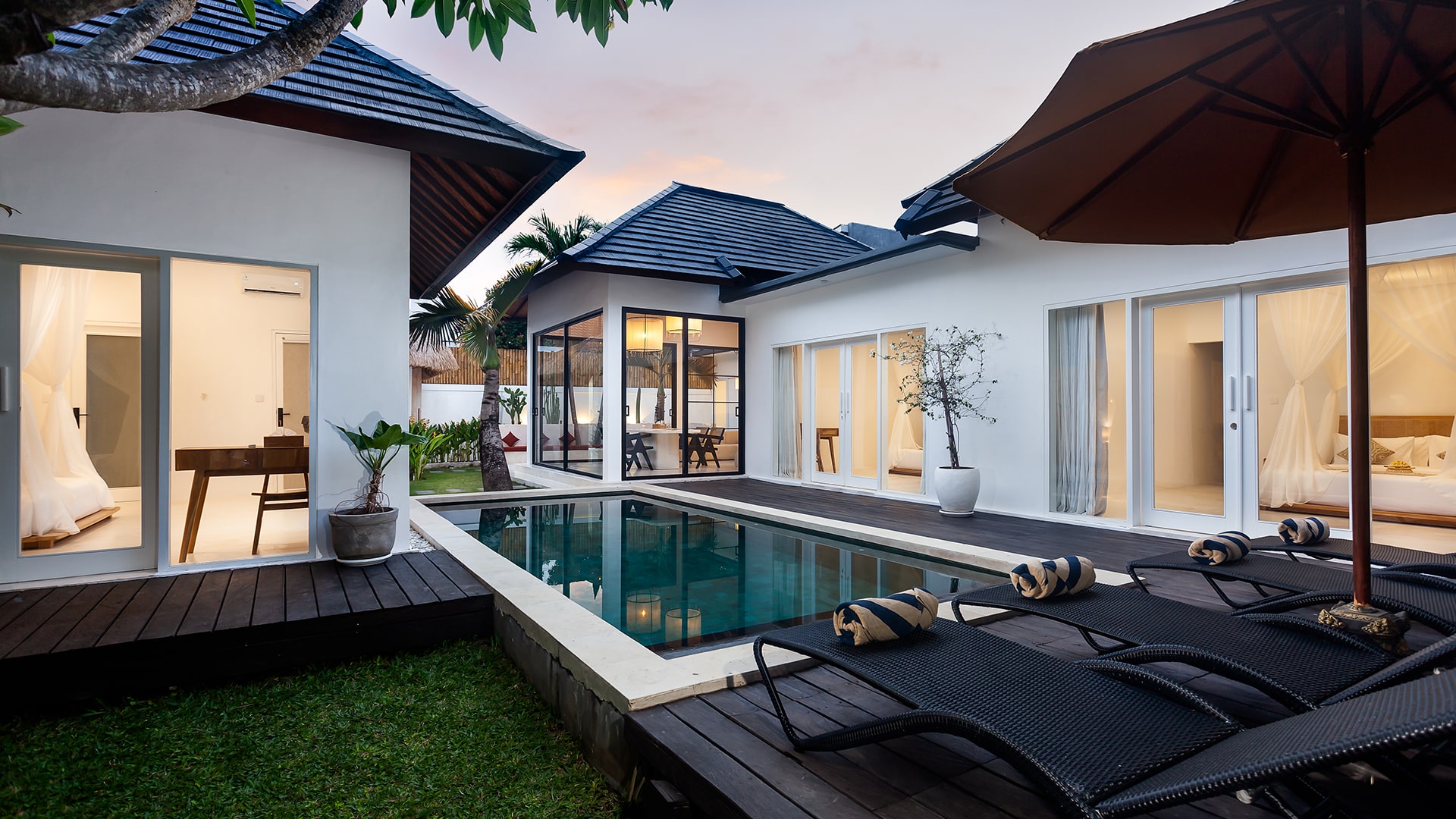
Bali is often discussed as a single entity, a monolithic paradise where investors simply "buy property." However, seasoned stakeholders know that the island is a complex tapestry of distinct micro-economies, each operating with its own demand drivers, seasonality, and demographic profiles. A villa that generates record-breaking returns in the surf-centric bustle of Canggu might struggle to break even if transplanted to the spiritual quietude of Sidemen. Therefore, asking "where is the best area to buy villa in Bali?" is not a question of geography, but of strategy.
At JK Global Properties, we emphasize that success in this market requires a surgical approach to location. The rapid development of the island means that investment hotspots shift dynamically what was a quiet village five years ago is now a booming hospitality hub. Navigating this landscape demands more than a map; it requires an understanding of the pulse of each neighborhood, ensuring that your capital is deployed in a location that aligns perfectly with your financial timeline and lifestyle expectations.
The Myth of the "Perfect" Location: Defining Your Investment DNA
Before we analyze specific coordinates, we must dismantle the idea that there is one single "best" area. The "best" location is entirely subjective to your investment goals. We typically categorize our clients into three distinct profiles, and the location strategy follows the profile:
- The Yield Hunter: You prioritize immediate cash flow. You want high occupancy, high nightly rates, and a fast return on investment (ROI). You accept higher noise levels, traffic, and competition in exchange for revenue.
- The Capital Appreciation Investor: You are playing the long game. You want to buy land or build at a lower entry price in an emerging area and wait for the market value to double or triple over the next 5 to 10 years. You prioritize growth over immediate rental income.
- The Lifestyle & Stability Buyer: You want a home, perhaps for retirement or long family stays, with steady but modest rental income when you are away. You prioritize peace, views, and community over aggressive profits.
Once you identify your "Investment DNA," the map of Bali stops being overwhelming and becomes a clear menu of opportunities.
1. The High-Yield Corridor: Canggu, Berawa, and Pererenan
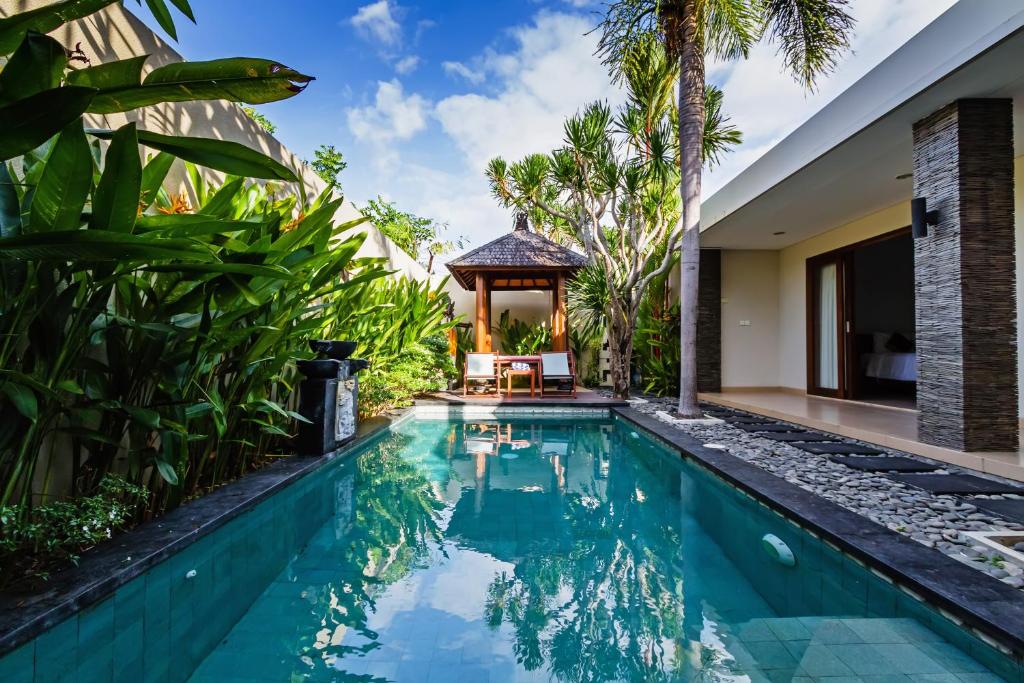
For the Yield Hunter, this region remains the undisputed champion. Despite complaints about traffic and density, the data is irrefutable: this is where the tourists are.
The Market Dynamics
This area has evolved into the digital nomad capital of Southeast Asia. The demand here is year-round, driven by a mix of short-term holidaymakers and mid-term workers staying for 1 to 3 months.
- Investment Profile: High occupancy (80%+ is common for well-managed villas), high nightly rates, and immediate cash flow.
- The Risk: Saturation. To succeed here, you cannot build a generic villa. Your property needs a unique selling point (USP) superior design, a private gym, or proximity to the beach to stand out on Airbnb.
Pererenan: The Sophisticated Alternative
While Berawa and Batu Bolong are the epicenter of action, Pererenan has established itself as the "grown-up" neighbor. It offers the same access to world-class dining and surf but with slightly stricter zoning that has preserved more green belts.
- Strategic Insight: We see Pererenan as the sweet spot for investors who want high yields but wish to attract a higher-spending, more respectful demographic than the party crowd often found in central Canggu.
2. The Luxury Frontier: Uluwatu, Bingin, and Ungasan
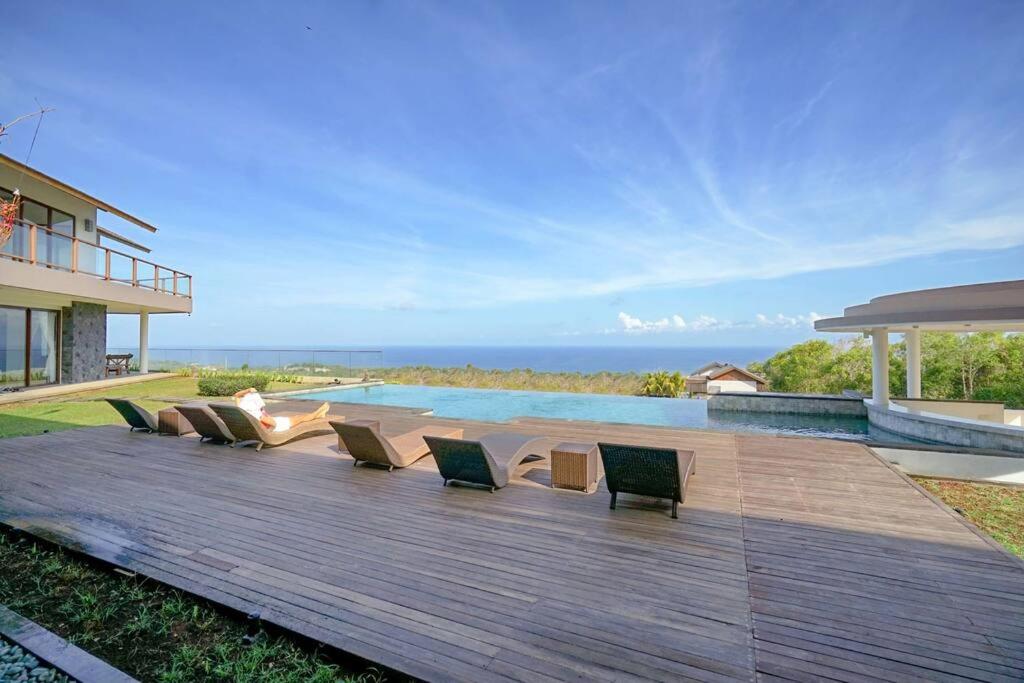
For those seeking exclusivity, dramatic views, and a premium demographic, the Bukit Peninsula (the southern tip of Bali) is the best area to buy villa in Bali.
The Rise of "The Bukit"
Historically a surfer's outpost, this area has rapidly gentrified into Bali’s luxury playground. The coastline here is defined by limestone cliffs and white sand beaches, a stark contrast to the black sand of the southwest.
- Demand Drivers: It attracts high-net-worth individuals, wedding tourism, and elite surfers. The nightly rates here can be significantly higher than in Canggu due to the "wow factor" of ocean views.
- Real Estate Reality: Land here is finite. Unlike the flat rice fields of Canggu where expansion can continue inland, the "ocean view" plots in Uluwatu are limited. This scarcity drives strong capital appreciation.
Infrastructure Considerations
Investing here requires rigorous due diligence regarding water. The Bukit is dry limestone; municipal water (PDAM) is not available everywhere, and trucking in water is a common operational cost. Furthermore, the topography makes construction more expensive. However, for a luxury product, the returns justify the extra effort. Bingin is currently the hottest micro-market here, transitioning from backpacker homestays to boutique luxury villas.
3. The Cultural Sanctuary: Ubud and Gianyar
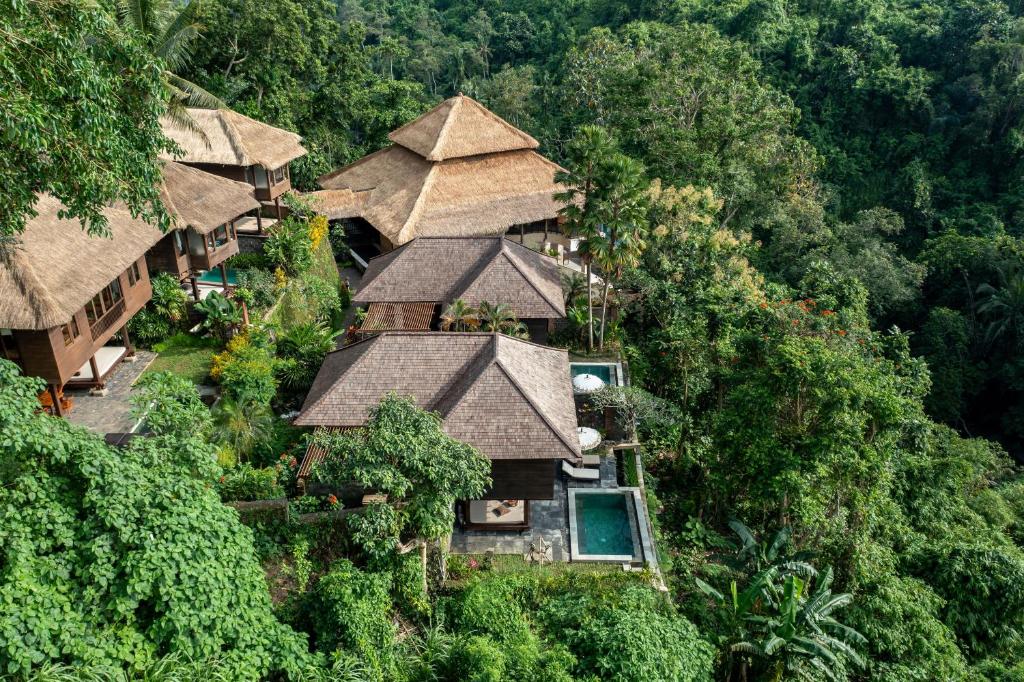
If your goal is stability and a connection to the "real" Bali, Ubud remains unmatched. It operates on a different rhythm and attracts a different wallet.
The "Wellness" Economy
Ubud does not rely on the beach. Its economy is fueled by yoga retreats, cultural tourism, and the wellness industry.
- Rental Pattern: Guests here stay longer. We see a high volume of monthly rentals from creatives and spiritual seekers. This translates to lower turnover costs and less wear and tear on the property compared to the 3-day party turnover of Seminyak.
- Zoning Sensitivity: Ubud is the spiritual heart of the island. The Banjar communities here are powerful and protective of their culture. Development here must be smaller scale and deeply respectful of the environment.
Expanding North: Tegallalang and Payangan
Central Ubud is dense. The smart money is moving north to Tegallalang and Payangan. Here, you can still find expansive jungle views and riverfront land at reasonable prices. This is perfect for building high-end "honeymoon" style villas where privacy is the main amenity.
4. The Future Growth Zone: Seseh, Cemagi, and Tabanan
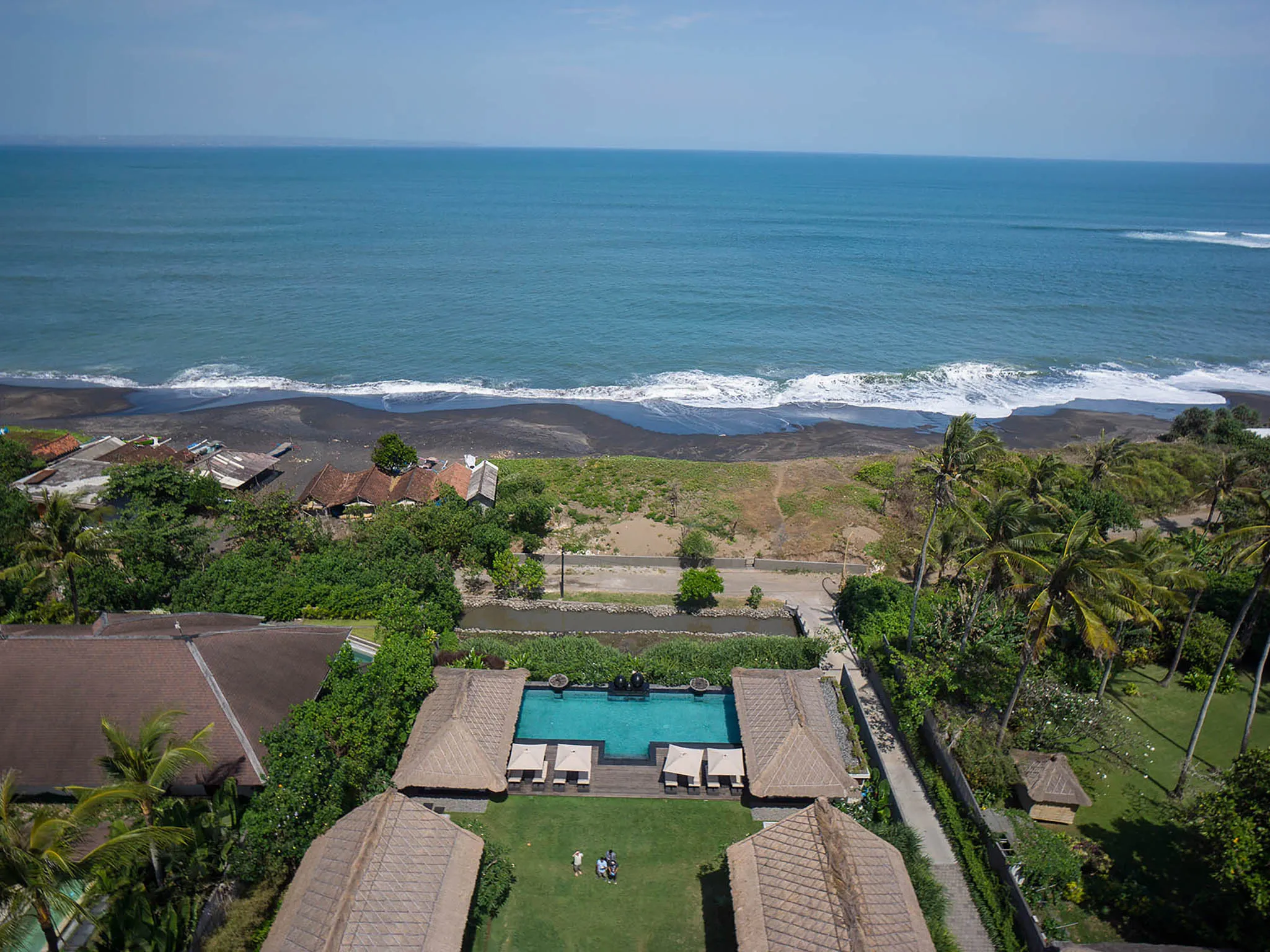
For the Capital Appreciation Investor, looking west of Canggu is the logical move. This is where the "Next Bali" is being built.
Seseh and Cemagi: The Immediate Extension
Just minutes from Pererenan, these seaside villages offer the tranquility that Canggu lost ten years ago.
- Why Buy Here? You are buying into the path of progress. As infrastructure improves, the values in Seseh are catching up to Pererenan. It is currently the prime location for investors who missed the boat in Canggu but want similar beachside appeal.
Tabanan: The Long Game
Further west lies Tabanan, characterized by massive, rolling rice terraces and black sand beaches.
- The Opportunity: Land prices here are a fraction of the main hubs. This allows investors to acquire larger plots think 20 or 30 are (2,000-3,000 sqm) estates which is financially impossible in the south.
- The Strategy: This is Land Banking territory or the place to build a destination retreat. You are not relying on walk-in traffic; you are building a destination that guests travel specifically to reach. The proposed toll road development is set to make this region far more accessible, which will likely trigger a spike in land values in the coming years.
5. The Forgotten Gem: Sanur
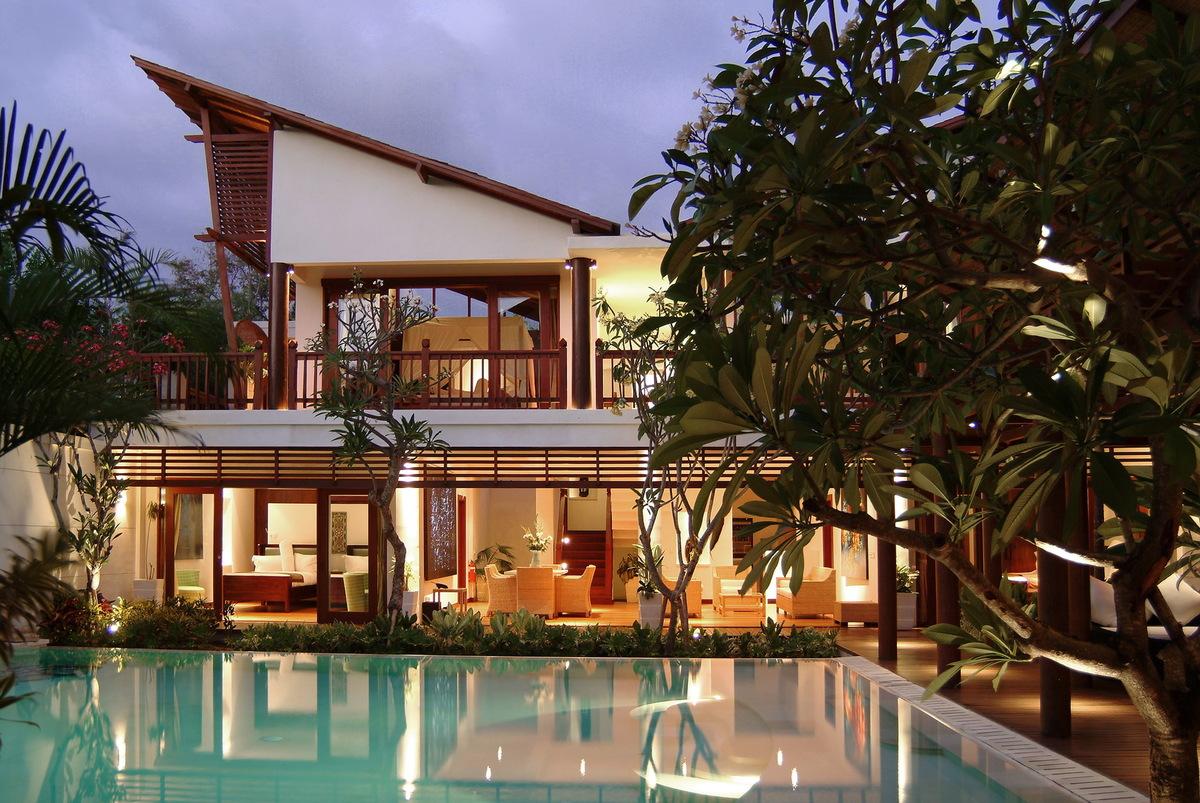
Often overlooked by aggressive investors, Sanur offers one of the most stable markets on the island.
The Mature Market
Sanur is established, calm, and family-oriented. It has a high concentration of long-term expat residents and retirees.
- Investment Angle: While it may lack the "Instagram hype" of Canggu, it offers immense stability. Vacancy rates are low because many properties are rented on yearly contracts rather than daily.
- Future Catalyst: The development of the Bali International Hospital in Sanur is a game-changer. It is poised to create a new demand for high-quality medical tourism accommodation and housing for foreign medical staff. Investing in modern apartments or manageable villas in Sanur is a strategic play on this new infrastructure.
Comparing the Zones: A Quick Decision Matrix
To help visualize which area serves your purpose, we use this simple framework when consulting with clients:
- Canggu/Pererenan: High Risk (Competition), High Reward (Cash Flow). Best for: Active Income.
- Uluwatu/Bingin: Medium Risk, High Reward (Premium Rates + Appreciation). Best for: Luxury Portfolio.
- Ubud: Low Risk, Medium Reward (Stability). Best for: Passive Income & Lifestyle.
- Tabanan/Seseh: Medium Risk, High Reward (Capital Gain). Best for: Future Wealth & Land Banking.
Operational Realities: Access and Infrastructure
Regardless of which is the best area to buy villa in Bali for you, practicalities must be checked.
- Road Access: In emerging areas like Seseh or parts of the Bukit, road access can be narrow. Ensure your land has car access, not just motorbike access, or you limit your construction capabilities and rental market.
- Internet Reliability: While fiber optic is now widespread, pockets of the Bukit and Tabanan still have spotty coverage. For a rental villa, "fast Wi-Fi" is a utility as vital as water.
- Noise Zones: In Canggu and Pererenan, verify the proximity to beach clubs or construction sites. A high-yield location is worthless if bad reviews about noise kill your occupancy.
The Strategy is Yours
Ultimately, the map of Bali is not just a collection of villages; it is a portfolio of diverse financial products. There is no single "best" area, but there is certainly a best area for you.
At JK Global Properties, our role is to help you overlay your financial objectives onto this map. Whether you are chasing the adrenaline of high-yield returns in the southwest or the patient, compounding growth of the western coast, the opportunity is there.
The investors who win in Bali are not those who follow the herd, but those who choose their terrain with clear eyes and a solid strategy.