.png)


.png)
Kajeng Keliwon Enyitan November 29th: Meaning and Traditions in Bali
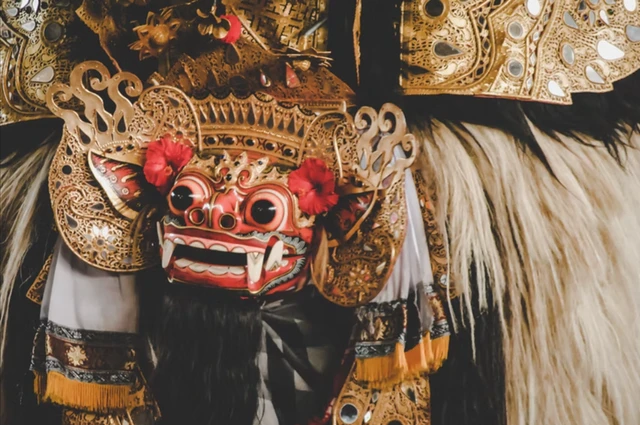
Kajeng Keliwon Enyitan is one of the most spiritually charged days in the Balinese calendar, and when it falls on November 29 it becomes especially meaningful for anyone living in or visiting the island. Unlike the more widely known celebrations of Galungan and Kuningan, Kajeng Keliwon Enyitan belongs to a different cycle. It is a powerful intersection of two sacred time markers: Kajeng, which appears every three days, and Keliwon, which appears every five. When these two coincide, the day is believed to hold amplified spiritual energy. The additional marker of Enyitan makes it a moment of purification, protection and energetic balancing.
For Balinese families, Kajeng Keliwon Enyitan is not a public festival but a deeply personal day. Homes, compounds, workspaces and even crossroads receive offerings that aim to neutralize disruptive energy. Travelers and expats who find themselves in Bali during this date can witness a side of the island that is quieter, more contemplative and deeply rooted in ancestral wisdom.
Understanding this day is especially valuable for anyone who intends to invest or live in Bali, since it reveals how spirituality influences community life, land use, hospitality and even the rhythms of guest demand.
Understanding Kajeng Keliwon Enyitan
Kajeng Keliwon is part of the Pawukon calendar, a 210 day cycle unique to Bali. While many religious days are tied to lunar phases or seasonal shifts, Kajeng Keliwon follows a repeating spiritual rhythm that blends cosmology with daily life. Enyitan adds the dimension of heightened purification. This is a day when people intentionally pause to realign themselves with balance and harmony.
Across the island, families prepare small offerings known as segehan, which are placed at entrances, in the family temple and at corners of the compound. These offerings are simple but symbolic. Their purpose is not celebration but clarity. Balinese spiritual philosophy acknowledges both positive and negative forces in the world. Kajeng Keliwon Enyitan is dedicated to keeping those forces in harmony so daily life continues smoothly.
For visitors, the beauty of this ritual lies in its subtlety. You may not see large gatherings or public parades, but you will notice how every home and business has prepared beautiful offerings at its threshold. The streets smell of incense, the morning feels still and there is an unspoken sense of recalibration.
Why Enyitan Matters
Enyitan refers to a form of spiritual strengthening. It is believed that on this day the veil between realms becomes thinner. Not in a fearful sense, but in a way that encourages people to be mindful of their behavior, intentions and actions. Because of this, Balinese communities focus on rituals for protection and balance.
Families prepare segehan offerings using rice of different colors, symbolic of the Hindu directions and the energies they represent. Priests may perform small purification ceremonies, and households avoid unnecessary conflict or negative behavior. The goal is to reset the energy of the environment, ensuring that the days ahead unfold with clarity.
Understanding Enyitan helps foreign residents appreciate how spirituality remains woven into the island’s everyday routines. This is important for investors as well, since cultural respect and integration are part of building good relationships with surrounding communities.
Morning Rituals and Atmosphere Across Bali
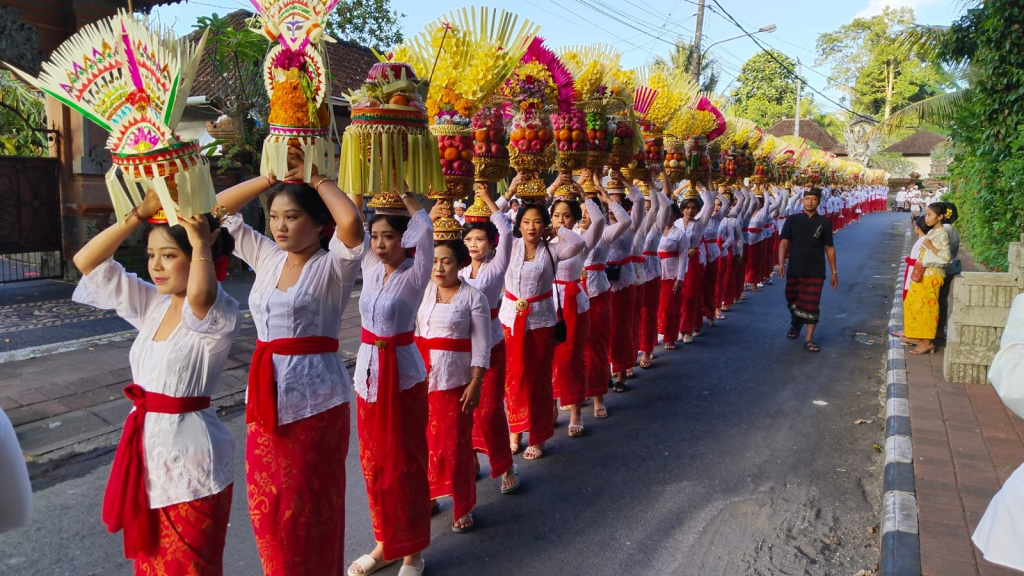
The morning of Kajeng Keliwon Enyitan is often marked by a calm, steady rhythm. Here is what you may observe:
Offerings at House Entrances
Small segehan are placed at the front gate, back gate and inner corners of the family compound. A gentle sprinkle of holy water completes the ritual.
Incense in the Streets
Columns of fragrant smoke rise from sidewalks, markets and shops. Even modern cafés in Canggu, Seminyak or Ubud participate.
Quiet Temples
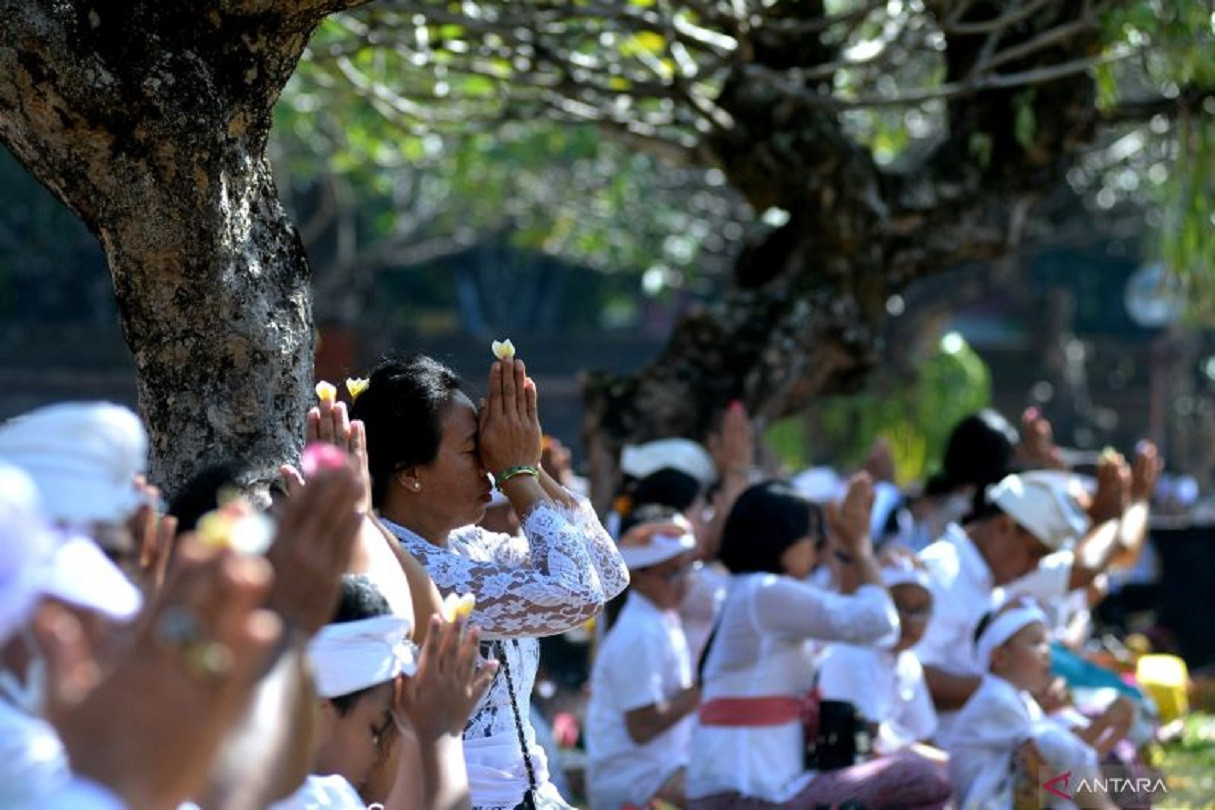
Local temples remain active but without crowds. People visit to pray briefly, offering flowers, incense and rice.
Focused Household Chores
Families clean their living spaces, sweep courtyards and refresh shrines. Orderliness is considered part of spiritual alignment.
Travelers staying in villas or guesthouses during this time get to experience a Bali that moves at a slower, more intentional pace. This quietness is one of the island’s greatest charms.
Where Travelers Can Experience Kajeng Keliwon Enyitan
Although this is not a tourist event, respectful visitors can observe the atmosphere in areas where traditions remain strong.
Ubud and Gianyar
Known for its spiritual heritage, Ubud offers a serene and participatory environment. Temple visits are a beautiful way to appreciate the rituals.
Seseh and Pererenan
These coastal villages maintain deep cultural roots despite their rapid growth. Walking through their rice fields and small temples provides a gentle look into the day’s energy.
Sidemen
A peaceful region surrounded by mountains and valleys. Families maintain traditions with devotion, making it ideal for travelers seeking spiritual authenticity.
Tabanan
Home to many traditional villages where Kajeng Keliwon Enyitan is observed with great care. Visitors can find viewpoints, warungs and temples perfect for quiet reflection.
Traditional Foods Linked to This Day
Kajeng Keliwon Enyitan does not have a specific festival dish, but food plays an important role in creating a harmonious household. Families prepare meals that are considered grounding and pure.
Examples include:
- Lawar made with coconut and local spices
- Fresh fruit offerings
- Rice cakes such as jajan uli or laklak
- Homemade snacks prepared for temple visits
Visitors staying in villas may see staff preparing simple but special plates for the family shrine or kitchen offerings. These foods reflect the home’s intention to remain balanced.
Activities for Visitors on Kajeng Keliwon Enyitan
Even though this is a spiritually focused day, travelers can enjoy meaningful experiences that align with its atmosphere.
1. Morning Temple Visits
Pura Taman Ayun, Pura Samuan Tiga or smaller local temples are excellent for quiet reflection. Visitors should dress respectfully.
2. Nature Walks
Rice terraces, jungle trails and coastal walks feel particularly peaceful during this time.
3. Wellness Sessions
Yoga, meditation or breathwork classes are ideal, especially in Ubud or Bingin.
4. Cultural Learning
Many communities welcome visitors to observe, without interrupting, the offering practices.
5. Slow Travel Experiences
Visiting local markets, small cafés or artisanal workshops adds a grounded touch to the day.
What Kajeng Keliwon Enyitan Reveals About Balinese Life
This sacred day highlights values that shape Balinese culture:
Respect for Energetic Balance
Life is not seen only as physical. Emotional and spiritual states matter equally.
Responsibility to Community
Offerings and rituals protect not just a home but the entire village.
Integration of Spirituality and Daily Routine
Even with Bali’s rapid development, spiritual days remain central to life. This is essential for foreigners to understand, especially when living near traditional communities.
Harmony with the Land
Land is not only a resource. It is a living space that requires respect and care.
This mindset influences zoning decisions, community guidelines and expectations toward new developments, including villas and hospitality venues.
Implications for Foreign Investors and Property Owners
Kajeng Keliwon Enyitan highlights key cultural insights that foreign investors should understand.
Respect for Customary Rhythms
Property owners must recognize that Bali’s spiritual days influence schedules, staff availability and community activities. Respecting these rhythms fosters positive neighbor relationships and smooth operations.
Demand for Peaceful Areas During Spiritual Cycles
Many visitors prefer to stay in quieter regions during spiritually important dates. Areas like Seseh, Pererenan, Ubud and Tabanan gain appeal for long stays.
The Importance of Aesthetic Harmony
Homes and villas that reflect traditional aesthetics tend to integrate better with local communities. Guests also appreciate properties that feel connected to the culture.
Long Term Value Rooted in Culture
Bali’s continued desirability depends heavily on its spiritual and cultural identity. Protecting that identity sustains tourism, rental yields and asset appreciation.
How Hosts and Villa Managers Can Prepare
Foreign residents and hosts can be respectful participants by supporting their staff and community.
Provide space for staff offerings
Allow designated times in the morning for offering placement.
Keep the villa tidy and welcoming
Clean courtyards, refreshed gardens and tidy entrances match the energy of the day.
Offer an optional cultural explanation card for guests
It can gently describe what Kajeng Keliwon Enyitan means and why offerings appear at the entrance.
Use gentle scents and soft lighting
Incense, essential oils or natural candles complement the peaceful mood.
Encourage guests to observe respectfully
No photography during private prayers, dress modestly near temples and avoid loud gatherings.
Final Reflection
Kajeng Keliwon Enyitan November 29 is one of the most insightful days for understanding Bali’s spiritual foundation. It is not a festival, but a recalibration of energy that shapes how families live, how communities operate and how the island maintains its balance.
When approached with openness and understanding, Kajeng Keliwon Enyitan enriches not only the spiritual rhythm of the island but also the experience of anyone who calls Bali home, whether for a week, a season or a lifetime.