.png)


.png)
Hari Raya Kuningan November 29th: Traditions and the Best Places to Celebrate
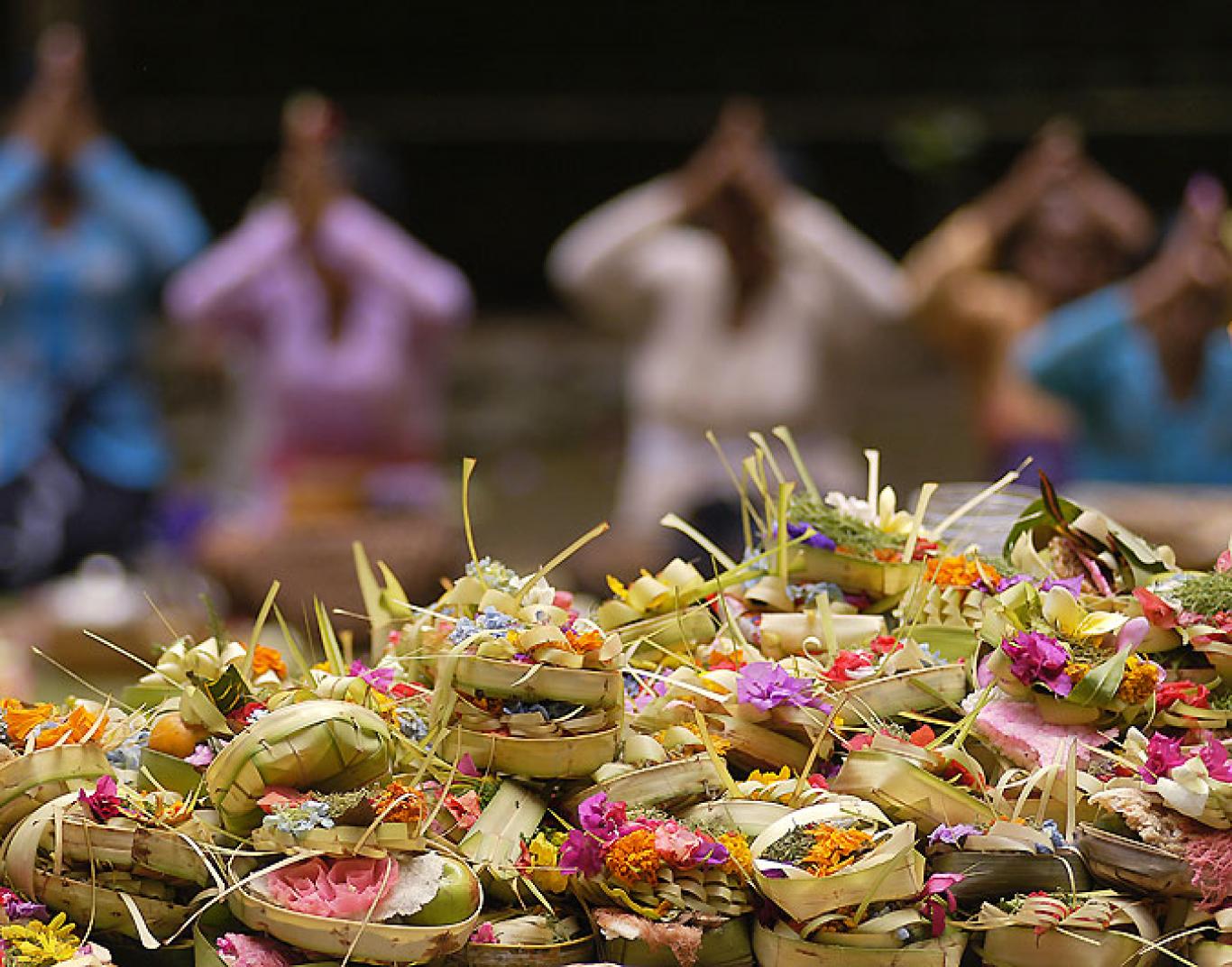
Hari Raya Kuningan, which falls on November 29th, is one of the most meaningful and anticipated days in the Balinese spiritual cycle. It marks the culmination of the Galungan period, a time when gods and ancestral spirits are believed to visit the island. While Galungan represents the moment of divine arrival, Kuningan is the day when these sacred presences return to the heavens. The atmosphere that surrounds this day blends joy, gratitude and peaceful reflection, creating one of the most beautiful cultural experiences a visitor can encounter in Bali.
This sacred occasion is not only important from a spiritual perspective but also shapes the cultural rhythm of the island and the experience of anyone who lives, stays or invests here. The streets are filled with penjor arches, temples glow with fresh offerings and families gather to honor their ancestors with a sense of calm happiness.
For foreign visitors, expats and property investors, understanding Hari Raya Kuningan brings a deeper connection to the culture that protects Bali’s identity and keeps the island so attractive for long term living and investment.
What Hari Raya Kuningan Represents
Hari Raya Kuningan is held ten days after Galungan and symbolizes the closing of the divine visit. It is believed that on this day the gods and ancestral spirits return to their sacred realm, leaving blessings of peace, prosperity and protection for the months ahead.
The word Kuningan is related to the term kuning, meaning yellow or gold. This color plays a central role in the offerings, symbolizing divine light, flourishing harvests and spiritual purity. Families prepare special offerings filled with yellow rice, rice cakes, fruits, flowers and symbolic items that represent gratitude.
During Kuningan, the island feels protected and uplifted. Offerings are placed not only in family temples but also in rice fields, workplaces, crossroads and even in vehicles. It is a beautiful reminder of how spirituality is interwoven with every corner of Balinese life.
Kuningan Offerings and Their Symbolism
Offerings prepared for Kuningan have several unique elements that distinguish them from other ceremonies. Visitors staying in villas or hotels during this day may see staff preparing these beautiful arrangements early in the morning.
Some of the key offering components include:
Nasi kuning or yellow rice
This symbolizes prosperity and divine blessings. It is often shaped into small cones.
Tamiang
A decorated circular ornament made from young coconut leaves. It symbolizes protection, courage and the cyclical nature of life.
Endongan
A woven offering container filled with symbolic items representing food, clothing and basic human needs.
Ketupat
Compressed rice in woven palm leaf squares, symbolizing purity and simplicity.
Each element has meaning. Together they form a visual language of gratitude and respect toward the divine and the ancestors who have guided the family for generations.
The Morning Atmosphere on Hari Raya Kuningan
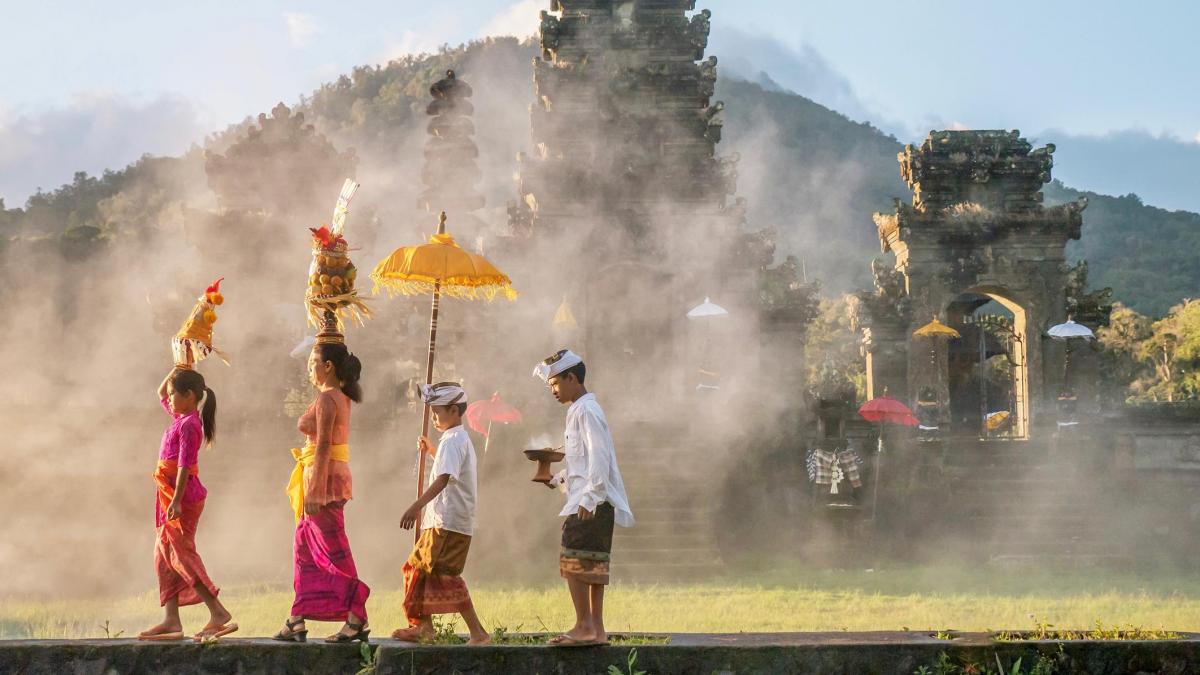
The morning of November 29 feels gentle and sacred. Before sunrise, families clean their compounds, dress in ceremonial clothing and prepare trays of offerings to take to the family temple. Incense fills the air, roosters call out in the distance and villages feel calm but alive.
Visitors may notice:
• Penjor still standing tall along village roads
• Families walking together toward temples
• Music of gamelan echoing across community halls
• Women carrying tall towers of offerings on their heads
• Vibrant yellow ornaments decorating shrines
Even the simplest gestures carry deep meaning. A grandmother placing flowers at the shrine. A father lighting incense. Children helping to arrange fruits on an offering tray. These intimate scenes make Kuningan one of the most touching cultural experiences in Bali.
Where to Experience Hari Raya Kuningan in Bali
Since Kuningan is celebrated throughout the island, visitors can observe it in many locations. However, some regions offer especially beautiful and authentic experiences.
1. Ubud
The cultural heart of Bali is an ideal place to witness ceremonies. Temples such as Pura Saraswati, Pura Gunung Lebah and neighborhood family shrines fill the town with color and movement.
2. Tabanan
Known for its strong traditional culture, Tabanan offers an authentic village atmosphere. Here, ceremonies are carried out with deep devotion and visitors can respectfully observe without crowds.
3. Seseh and Pererenan
These coastal areas blend traditional village life with modern living. Walking through rice field paths during Kuningan offers stunning scenery and peaceful insight into the rituals.
4. Gianyar
The region surrounding Ubud hosts numerous temples and family compounds where Kuningan rituals are especially rich in symbolism.
5. Sidemen
A valley surrounded by the mountains of East Bali, where traditional households prepare offerings in a serene and breathtaking setting.
These locations are perfect for visitors who want to observe Kuningan respectfully, without overwhelming the local communities.
Traditional Foods Enjoyed on Hari Raya Kuningan
Food always plays a role in Balinese ceremonial life, and Kuningan is no exception. Families prepare dishes that combine tradition, symbolism and celebration.
Common Kuningan foods include:
Nasi kuning
Yellow rice seasoned with turmeric and coconut milk.
Lawar
A traditional mix of vegetables, coconut and spices.
Satay varieties
Often made from chicken or fish, depending on the family’s customs.
Fruit baskets
Filled with bananas, oranges, salak and mangoes.
Jajan Bali
Traditional sweets and rice cakes prepared especially for ceremonies.
Food prepared for Kuningan is also shared among family members as a symbol of unity and togetherness.
Activities for Visitors on Hari Raya Kuningan
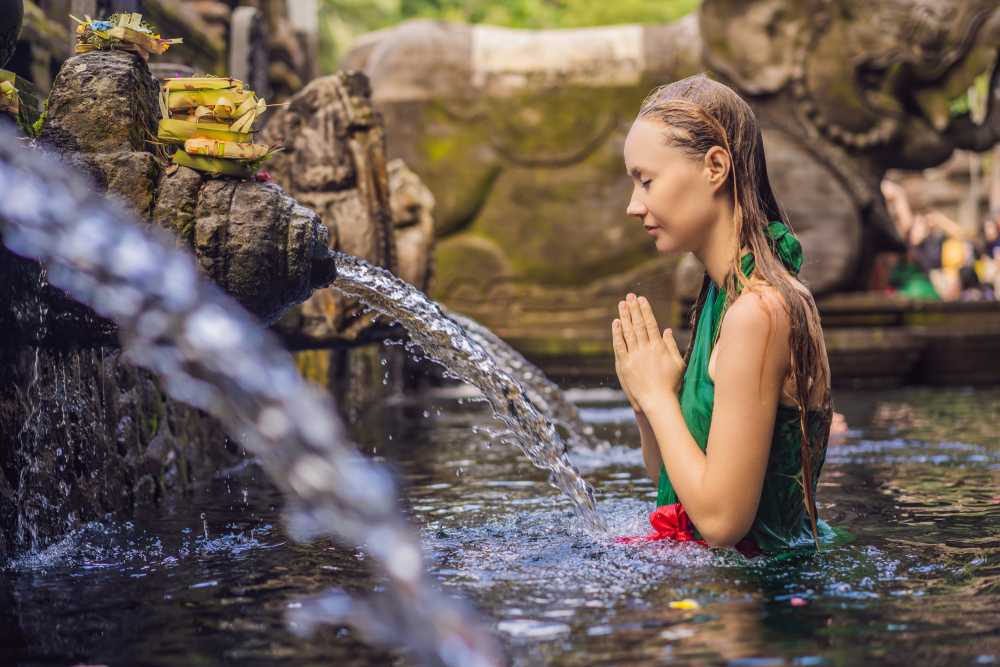
Although this day is spiritually focused, there are many activities that visitors can enjoy while remaining respectful of local customs.
Visit Local Temples
Morning prayer ceremonies are the most beautiful, especially in Ubud, Mengwi or rural villages.
Explore Rice Terraces
The landscape looks stunning during Kuningan, with penjor decorating the roads near Tegallalang or Sidemen.
Enjoy a Spa or Wellness Session
Since the island is filled with peaceful energy, it is an ideal day for meditation, yoga or a spiritual cleansing session.
Visit Cultural Villages
Walk through Penglipuran, Tenganan or local communities in Tabanan to observe how families celebrate in their own environment.
Attend a Cooking Class
Some cooking schools prepare special Kuningan menus, allowing visitors to learn about ceremonial foods.
How Kuningan Shapes Bali’s Cultural Identity
Hari Raya Kuningan reinforces several important cultural values:
• Gratitude for blessings received
• Respect for ancestors
• Connection between humans, nature and the divine
• Harmony within the family
• Protection for the community
Understanding these values helps foreigners appreciate why local traditions are central to everyday life and why cultural preservation is essential for the long term sustainability of Bali’s appeal.
What Kuningan Means for Property Owners and Investors
Hari Raya Kuningan also provides meaningful insights for property investors in Bali.
1. Cultural integration matters
Foreigners who plan to stay, live or invest in Bali benefit greatly from understanding local customs. Communities appreciate property owners who respect ceremonial days and allow staff time for offerings.
2. Seasonal interest in peaceful regions
During spiritual periods, many visitors choose quiet areas such as Seseh, Pererenan, Tabanan and Sidemen. These regions are gaining interest for long stay rentals and boutique villa developments.
3. Aesthetic harmony improves property value
Villas that blend contemporary design with natural materials, Balinese touches and respectful landscaping tend to feel more integrated with the culture and attract higher occupancy.
4. Bali’s cultural foundation drives tourism
Bali’s identity is its greatest long term asset. Protecting it ensures sustainable tourism and strong investment performance.
For those looking to invest, these insights reveal why cultural understanding is not optional but essential.
How Hosts Can Prepare Their Property for Kuningan
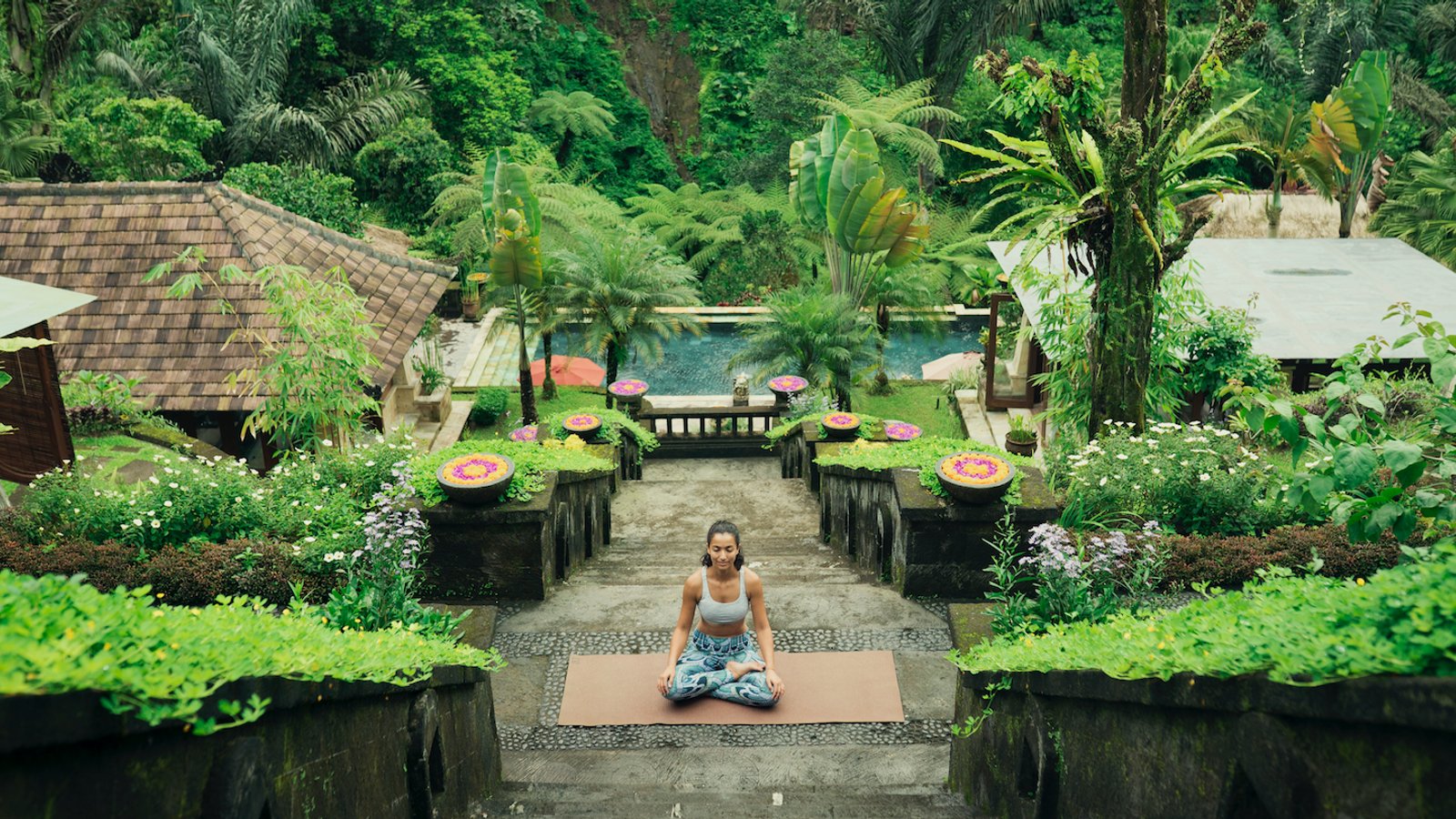
Property owners and villa managers can ensure that guests feel comfortable while also respecting local traditions.
Provide Staff Time for Offerings
Allow morning hours for staff to place ceremonial offerings around the property.
Keep Shared Areas Clean and Harmonious
Entrance paths, gardens and common spaces should be tidy and aesthetically pleasing.
Offer Guests a Cultural Guide Card
A small, gentle explanation can help guests understand the significance of the day.
Prepare Light Decorations
Flowers, gentle scents and tasteful enhancements make the villa feel aligned with the spirit of Kuningan.
Encourage Respectful Behavior
Guests should be reminded not to disturb ceremonies or take intrusive photos of families in prayer.
Final Reflection
Hari Raya Kuningan November 29 is a profound and uplifting moment in the Balinese spiritual cycle. It brings together gratitude, family unity and a heightened sense of harmony that touches every aspect of life on the island.
Experiencing Kuningan with respect, openness and curiosity deepens the connection to Bali and enriches the experience of anyone who chooses to live, stay or invest on the island.