.png)


.png)
Galungan Day in Bali November 19th: Rituals, food, dances and traditions.
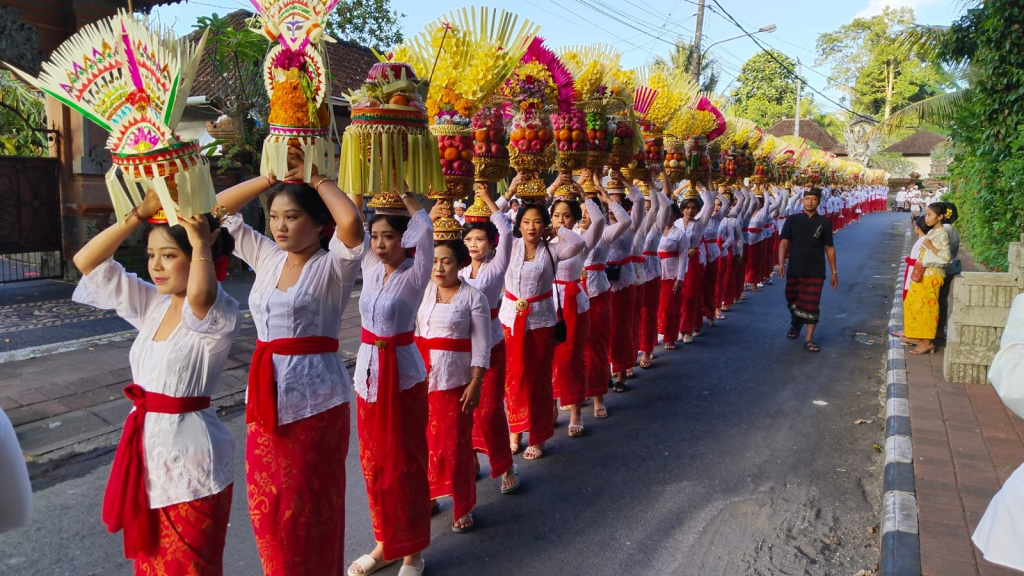
Galungan Day returns to Bali on November 19, bringing one of the island’s most important spiritual celebrations. If the previous days were filled with cleansing, preparing offerings, installing penjor, and aligning the household for ritual harmony, Galungan is the moment when everything comes together.
It is a day of victory, renewal, and presence, when Balinese families welcome their ancestors back to Earth and celebrate the triumph of good over negativity. For visitors, this is one of the rare times where the spiritual heart of Bali is on full display everywhere: homes, temples, streets, villages, and entire communities vibrate in ritual movement and color.
This article is designed to help travelers, expats, and future investors understand not only the meaning of Galungan, but also how to experience it respectfully, where to go, what food is prepared, and how the atmosphere of the celebration shapes surrounding areas, tourism, and real estate dynamics in regions like Canggu, Seseh, Ubud, Tabanan, and Sanur.
What Galungan Really Means
Galungan is rooted in the ancient belief that dharma (good) triumphs over adharma (chaos). It is the day when ancestral spirits return to visit their descendants, who welcome them with prayers, offerings, and the full beauty of the family temple (merajan).
The celebration is part of the 210-day Pawukon cycle, and its essence is deeply tied to maintaining harmony in three relationships:
- with the divine,
- with the community,
- and with nature.
The presence of the ancestors also represents continuity. Families believe they come to observe how their descendants uphold the values transmitted through generations.
You see this reflected in everything:
- polished temple shrines,
- renewed offerings,
- fresh flowers,
- music,
- cleaned linens,
- newly woven decorations,
- and communities gathering early in the morning for prayer.
Galungan is not a passive tradition; it is an active reminder that order, balance, and goodness must be cultivated.
The Atmosphere on the Island During Galungan
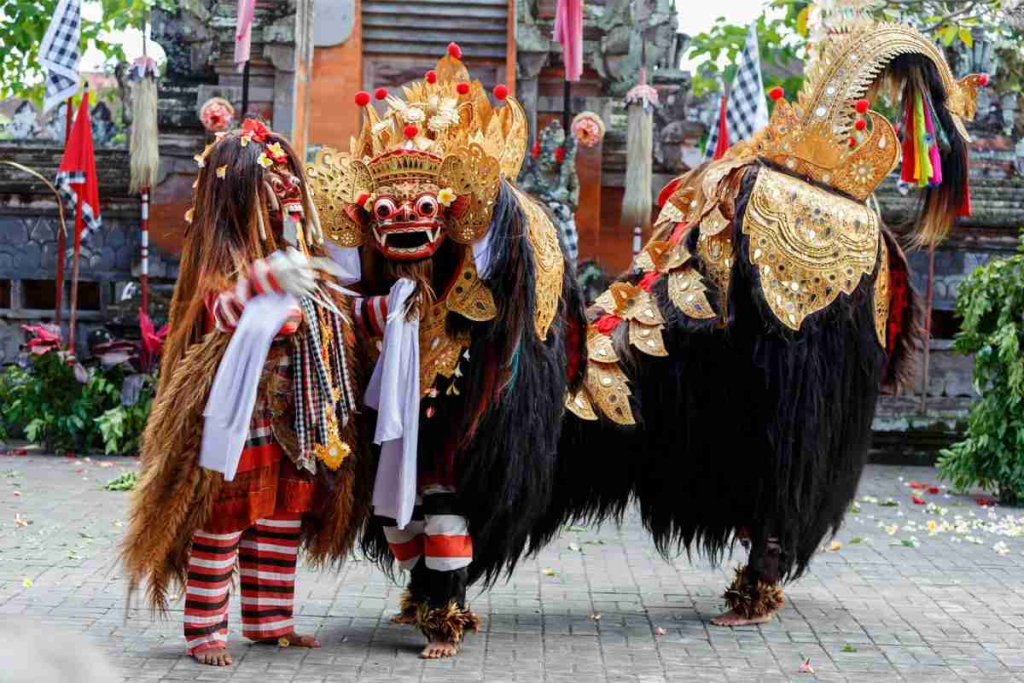
If you arrive in Bali on or around November 19, you will immediately notice the difference. The island moves in a rhythm that is quieter but also more concentrated, a feeling of sacred stillness mixed with beauty and celebration.
What changes on Galungan Day:
- Businesses open late or close entirely.
- Traffic becomes slower around temple areas.
- Families dress in full ceremonial attire.
- Offerings fill the entrances of homes and villas.
- Villages feel alive with incense, flowers, and fragrance of Balinese cuisine.
The most striking visual element is the penjor, tall bamboo poles decorated with coconut leaves, natural fibers, and small offerings. Roads become ceremonial corridors, especially in areas such as:
- Ubud (Pengosekan, Mas, Pejeng)
- Canggu (Pererenan, Seseh, Berawa)
- Tabanan
- Sanur's coastal streets
Walking through Bali on Galungan feels like entering a living temple.
What Happens in Balinese Homes and Temples
Galungan Day begins early, often before sunrise.
Morning Prayers
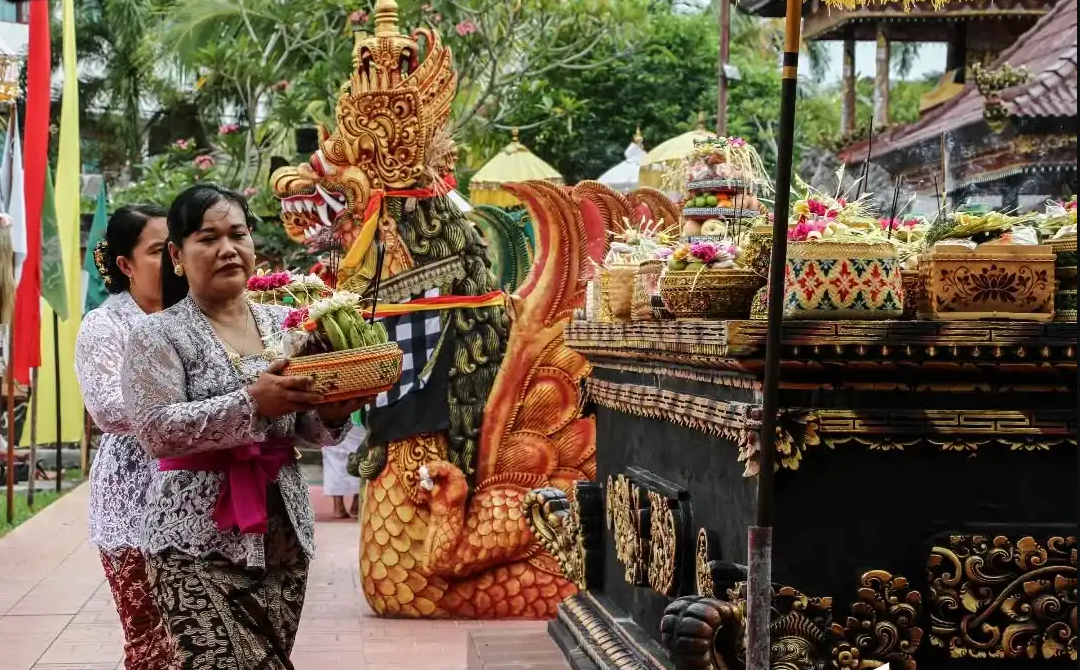
Families gather at the merajan (family temple) dressed in white and gold textiles. They offer:
- canang sari
- fruit towers (gebogan)
- flowers
- incense
- woven coconut decorations
Priests or family elders lead prayers to welcome the ancestors.
Temple Visits
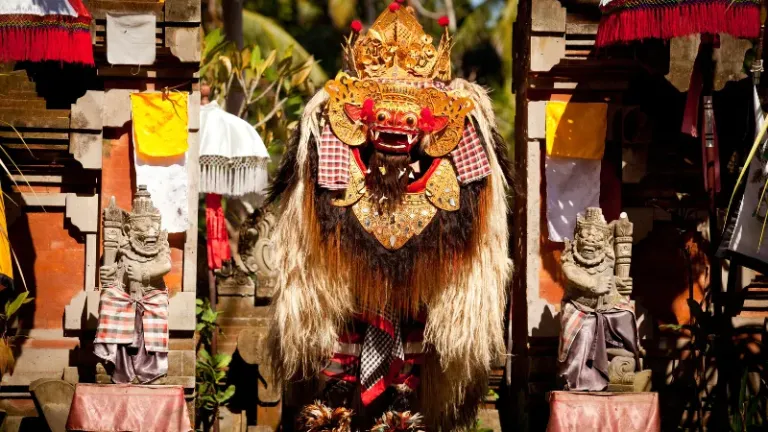
After the home rituals, many families travel to:
- village temples,
- subak temples near rice fields,
- or larger regional temples.
Popular areas to observe respectful temple activity include:
- Taman Ayun Temple in Mengwi (Badung)
- Gunung Kawi in Tampaksiring
- Pura Desa in local villages
- Pura Luhur Batukaru in Tabanan
Tourists are welcomed as observers, as long as they enter with:
- proper attire (sarong + sash),
- calm behavior,
- no photography inside prayer zones,
- and awareness that this is a sacred day, not a performance.
Traditional Foods Prepared During Galungan
Galungan cuisine is central to the celebration. The preparation begins the day before, during Penampahan, and continues through Galungan morning.
Common ceremonial foods include:
1. Lawar
A mixture of chopped vegetables, coconut, spices, and sometimes meat, seasoned with traditional spices. It represents community teamwork because it is often prepared collectively.
2. Sate Lilit
Ground meat blended with herbs and wrapped around lemongrass sticks. Its aroma fills courtyards during Penampahan and Galungan morning.
3. Babi Guling (Roast Pork)
A ceremonial dish often prepared for large family gatherings. Many modern families adapt this tradition by buying from trusted vendors rather than preparing it themselves.
4. Galungan Cakes and Sweets
Offerings may include:
- klepon (palm sugar rice balls),
- jaje uli (sticky rice cakes),
- jaje sirat (coconut pastries).
These foods are part of the festive table but also serve as symbolic offerings to ancestors.
Where visitors can try Galungan meals
Since many warungs close for the morning, recommended places that remain open or host special Galungan lunches include:
- Warung Ibu Oka (Ubud): babi guling
- Made’s Warung (Seminyak/Canggu): traditional Balinese plates
- Warung Nasi Ayam Kedewatan: ceremonial-style chicken dishes
- Local food stalls in Pererenan and Tabanan: offer lawar and sate lilit
Where to Go in Bali to Experience Galungan
Some areas offer more visible ceremonial activity than others. For anyone staying in Bali during the celebration, these locations provide a rich, respectful view of the festivities.
1. Ubud and Gianyar
Perfect for witnessing:
- family ceremonies,
- temple processions,
- traditional food preparation,
- and peaceful village scenes.
2. Canggu, Pererenan and Seseh
These areas blend tradition with modern life. Penjor lines the streets, and temple ceremonies can often be seen early in the morning.
Visitors staying in villas here experience Galungan as locals do, since many communities still practice strong village customs.
3. Tabanan
Ideal for witnessing rice field temples and rural village celebrations.
Great for photography or travelers who want a quieter, deeply authentic experience.
4. Sanur
Known for accessible temples and gentle traditional communities.
Great area for families who want a calm celebration atmosphere.
5. Bangli and Karangasem
Home to some of Bali’s most impressive temples.
Visitors can witness larger-scale ceremonies surrounded by mountains and forests.
Activities You Can Do During Galungan
Although many businesses slow down, there are meaningful activities available:
Attend temple blessings (as an observer)
Best in Ubud, Mengwi, Sanur, and Tabanan.
Cultural walks through penjor-lined streets
Photographers love areas like:
- Jalan Raya Seseh
- Pengosekan
- Pererenan main road
- Jatiluwih village routes
Cooking experiences
Private villa chefs often offer special Galungan menus.
Some hotels hold cooking classes about ceremonial dishes.
Wellness and reflection sessions
Many yoga studios remain open with special meditation sessions focusing on gratitude and renewal.
How Galungan Impacts Tourism and Real Estate Demand
Galungan is more than a spiritual celebration; it also shapes where people want to stay, what experiences they seek, and how investors evaluate long-term potential.
1. Increased demand for villas near cultural centers
Around Galungan and Kuningan, travelers prefer:
- Ubud
- Pererenan
- Seseh
- Sanur
These areas offer picturesque penjor streets, traditional temples, and quiet village life.
2. High occupancy in areas with strong authenticity
Locations such as Tabanan, Ubud outskirts, and Seseh consistently experience demand from travelers who want “real Bali” during cultural holidays.
3. Investor opportunities in cultural zones
Regions that maintain strong festival traditions tend to:
- preserve visual identity,
- attract long-stay visitors,
- and maintain stable rental demand.
This makes places like Pererenan and Seseh attractive for luxury villa investments.
4. Tourism flows shift during holidays
Visitors prefer:
- peaceful areas
- aesthetic surroundings
- authentic village scenes
This affects price trends, occupancy rates, and annual rental yields.
Galungan for Expats and Long-Term Residents
Foreigners living in Bali often integrate into the celebrations. Many join neighbors in preparing offerings, decorating their villas, or attending public temple festivities.
Visitors can:
- Ask villa staff to explain the meaning of the rituals.
- Learn how to make a simple canang sari.
- Join family meals if invited.
- Dress respectfully and visit community temples.
Experiencing Galungan as a resident brings a deeper sense of belonging.
Respectful Guidelines for Visitors
To honor local customs:
- Dress modestly (shoulders covered + sarong + sash).
- Avoid blocking processions for photos.
- Enter temples only when allowed.
- Do not step over offerings placed on the ground.
- Keep noise and drone usage to a minimum.
Respect is noticed and appreciated.
The Magic of Galungan
Galungan on November 19, is more than a holiday.
It is a living expression of Bali’s identity: spiritual, communal, and deeply rooted in harmony.
For travelers, it is an extraordinary chance to witness rituals that have continued for centuries.
For expats, it is an invitation to understand the island beyond tourism.
For investors, it is a window into the cultural heartbeat that makes regions like Ubud, Pererenan, Seseh, and Tabanan so enduringly valuable.
Experiencing Galungan is not simply observing a ritual.
It is stepping into Bali’s way of seeing the world: that goodness must be cultivated, beauty must be honored, and the past must always be welcomed home.