.png)


.png)
Freehold vs Leasehold in Bali: Which Property Ownership Type Is Right for You?
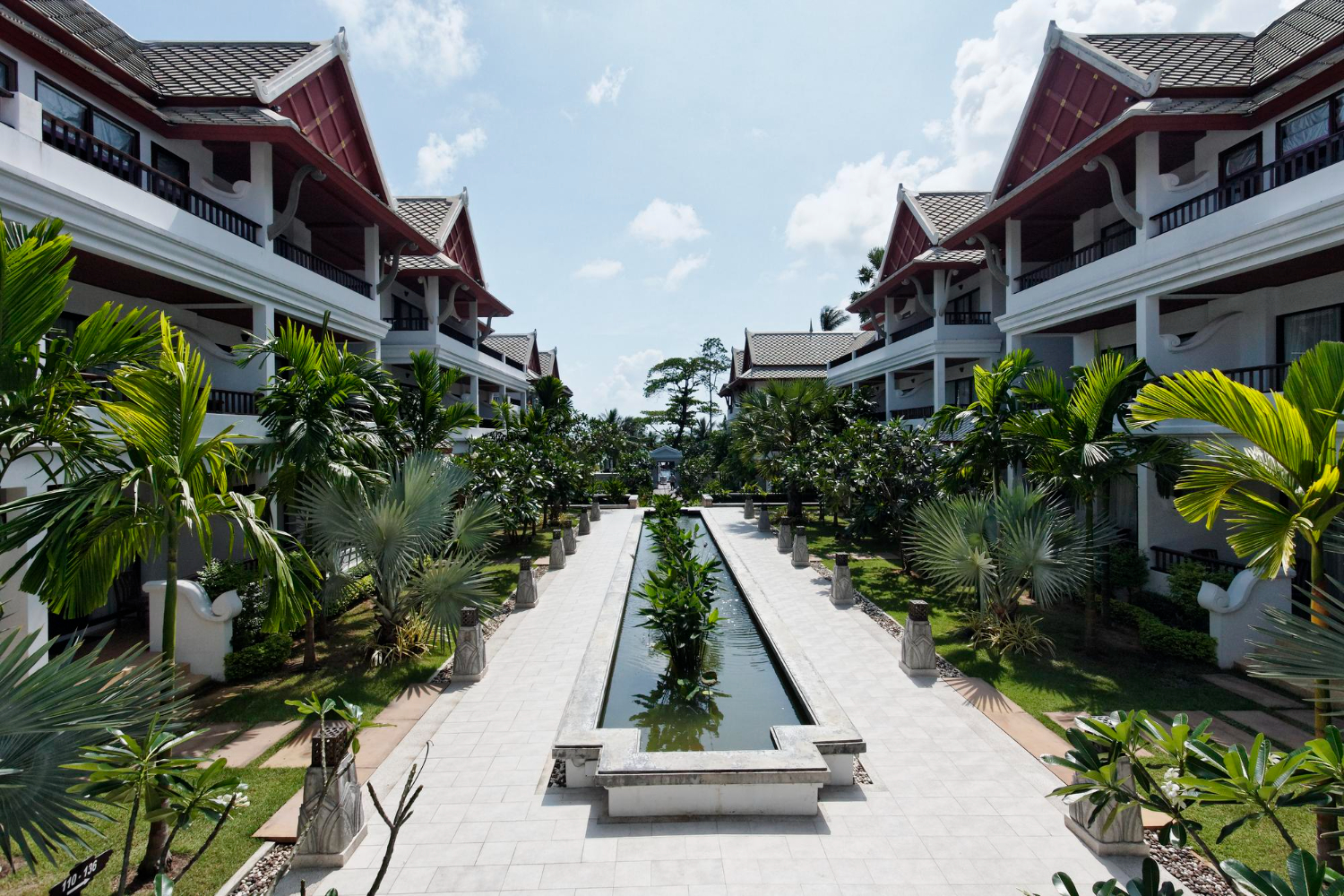
Buying property in Bali can be both exciting and confusing especially when you first come across the terms freehold and leasehold. Understanding these two ownership structures is crucial for anyone looking to invest, live, or build in Bali.
In this article, we’ll break down what each means, who can legally own what, and how to decide which is the right fit for your goals.
Freehold (Hak Milik): Full Ownership
What it means:
Freehold, known locally as Hak Milik, is the strongest form of land ownership in Indonesia. The owner has full rights over the property indefinitely they can sell, lease, or transfer it freely.
Who can own freehold:
Only Indonesian citizens can hold freehold title. Foreigners cannot own land in Bali under a Hak Milik title directly.
How foreigners access freehold property:
There are a few common (and legal) structures foreigners use to enjoy similar benefits:
- Setting up a PT PMA (foreign-owned company) that can hold land under Hak Guna Bangunan (HGB) or Hak Pakai titles.
- Entering into leasehold agreements with local owners.
- Establishing trust structures through Indonesian entities (though this carries legal risk and is not recommended).
Pros of Freehold:
- Permanent ownership
- Full control over land use and resale
- Increases in value over time
Cons of Freehold:
- Only available to Indonesians
- Complex structures required for foreigners
- Higher upfront cost
Leasehold (Hak Sewa): Long-Term Rental Ownership
What it means:
Leasehold (Hak Sewa) gives the right to use a property for a set period typically 25 to 30 years, often extendable by mutual agreement.
The foreign buyer essentially “rents” the land from an Indonesian owner but can build, manage, and profit from the property during the lease period.
Common structure:
- The lease agreement is notarized and legally binding.
- Extensions can often be negotiated upfront.
- Leaseholders can sell the remaining lease term to another buyer.
Pros of Leasehold:
- Fully legal for foreigners
- Lower upfront cost than freehold
- Easier entry into the Bali property market
- Profitable rental potential, especially in prime tourist areas
Cons of Leasehold:
- Ownership ends when the lease expires
- Renewal terms depend on the landowner’s agreement
- Resale value decreases as lease term shortens
Which Is Right for You?
- Choose Freehold if you’re an Indonesian citizen or investing through a PT PMA with long-term development plans.
- Choose Leasehold if you’re a foreign investor seeking flexibility, lower capital investment, and strong rental yields.
For most foreigners, leasehold remains the most practical, legal, and secure way to invest in Bali property. However, serious investors looking to establish a business presence should consider a PT PMA structure to gain access to longer-term ownership rights.
Final Thoughts
Bali’s property market continues to attract global interest, but understanding ownership laws is essential before signing any agreement. Work with a reputable notary (PPAT) and property consultant to ensure due diligence and legal compliance.
Whether you’re buying your dream villa, developing land, or investing for returns the key is clarity.