.png)


.png)
Buda Paing Kuningan November 26th in Bali: Meaning and Traditions

Buda Paing Kuningan November 26th marks one of the key spiritual checkpoints within the Balinese wuku calendar. Falling on a Wednesday during the Paing week, this day carries quiet but profound significance, especially as it approaches the powerful celebration of Kuningan. While it is not as publicly displayed as Galungan or Nyepi, Buda Paing Kuningan shapes the spiritual atmosphere of the island, preparing communities, families and temples for the energy shift that will culminate a few days later.
For anyone living in Bali, staying long term or considering an investment on the island, understanding these lesser known ritual days helps reveal how Balinese philosophy guides not only ceremonies, but daily life, land use and community interaction.
It is a day that encourages reflection, grounding and alignment, creating an environment especially appreciated by those seeking long term stays or homes in culturally rich areas.
Why Buda Paing Kuningan Holds Cultural Significance
Understanding this date requires understanding Bali’s unique 210 day calendar system. Each wuku carries its own energy, and Buda Paing is considered a moment of introspection, purification and preparation.
A day centered on inner alignment
While not as ritually intense as other holy days, Buda Paing Kuningan encourages personal grounding. Families reflect on the blessings received during Galungan and prepare spiritually for the upcoming Kuningan celebration.
A transition into the Kuningan atmosphere
Kuningan is one of Bali’s most important ceremonies, marking the moment when ancestral spirits return to the higher realms. Buda Paing begins that energetic transition, helping households and temples get ready for a full cycle of offerings, prayers and community gatherings.
A quieter window into Balinese spirituality
Because this date does not involve large public ceremonies, it serves as a perfect opportunity for visitors to witness everyday spiritual life without the crowds that gather during larger holy days.
How Balinese Families Observe Buda Paing Kuningan

The practices vary slightly across regions, but several rituals are commonly observed throughout the island.
Preparing offerings for the days ahead
Families create simple offerings such as:
- Canang sari
- Segehan placed outside the home for cleansing
- Small flower arrangements symbolizing harmony
- Early Kuningan offerings like tamiang and endong leaves
These preparations allow households to enter the Kuningan phase with clarity and intention.
Refreshing home shrines and gardens
Families often:
- Clean their merajan (family temple)
- Replace old offerings with fresh flowers
- Sweep courtyards
- Refresh penjor decorations if still standing from Galungan
Even modern villas follow these rhythms through trained staff who understand cultural protocols.
Visiting local temples
While not mandatory, many Balinese visit temples on this day to offer gratitude and prepare spiritually for the coming festival.
Where to Experience Buda Paing Kuningan in Bali
Since this day is subtle and not dominated by large crowds, the most enriching experiences come from areas where local lifestyle remains deeply rooted.
Pererenan and Seseh
These coastal villages blend contemporary living with authentic ceremonial life. On Buda Paing Kuningan, you can observe families preparing offerings in gateways and hear the quiet sounds of temple bells in the afternoon.
Ubud’s traditional areas
Neighborhoods like Penestanan, Mas and Kutuh display the gentle domestic rituals of the day. Flowers, incense trails and small segehan at ground level show how families ground their spaces.
Sidemen and Tabanan
Rural areas are especially vibrant during ritual days. Rice fields, traditional homes and ancient temples become living representations of Balinese life.
Bingin and Pecatu
Even in modern villa environments, the Balinese community continues to practice these rituals, providing a meaningful cultural layer to the area’s contemporary lifestyle.
Foods and Offerings Associated with Buda Paing Kuningan
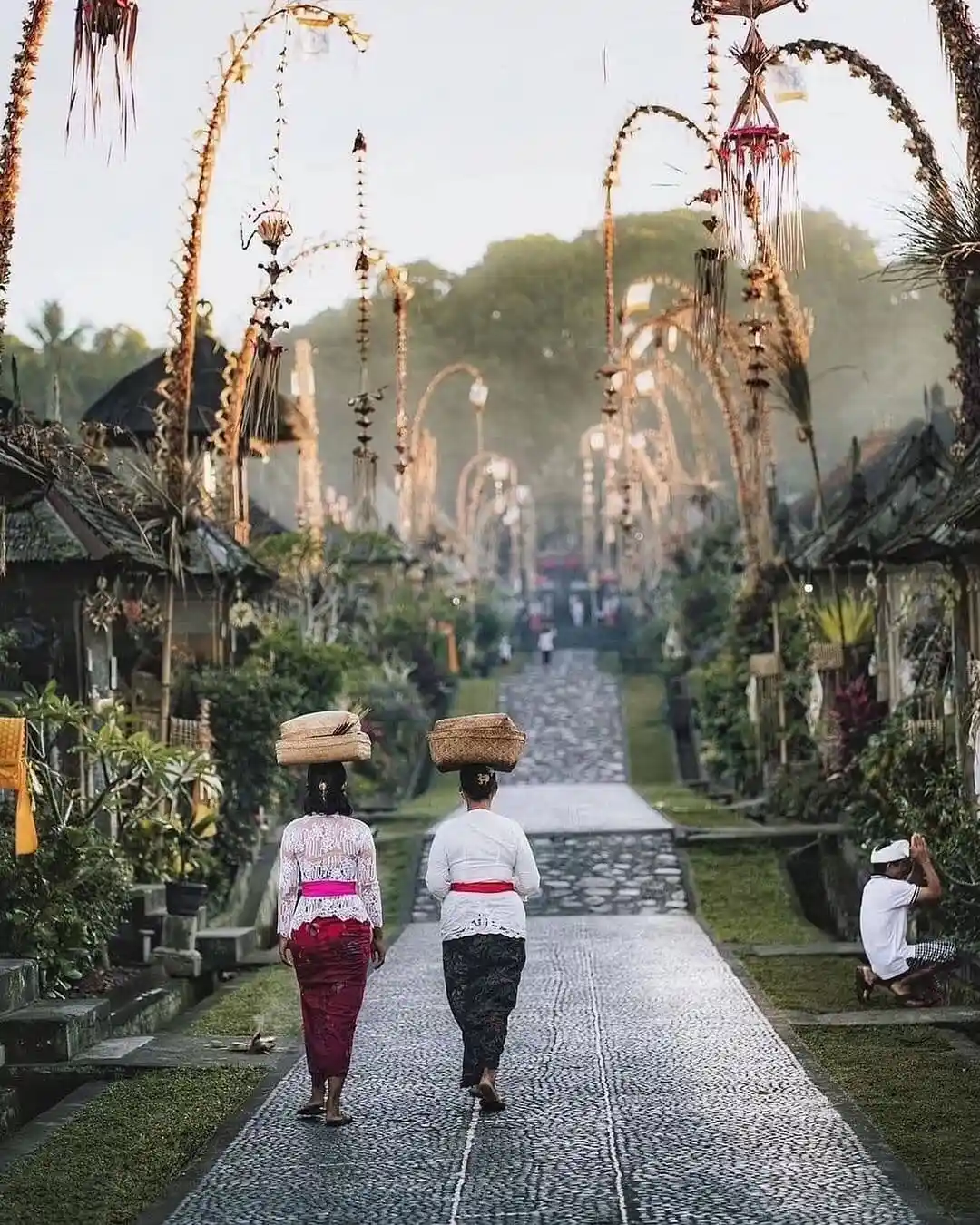
Food during this date is light and symbolic, designed to purify the body and prepare for the feast-like dishes of Kuningan.
Typical foods include:
Vegetable lawar
A fresh, herbal dish made lightly without heavy spices.
Nasi putih
Plain white rice representing purity and clarity.
Steamed root vegetables
Sweet potatoes and cassava used for simple household meals.
Jajan pasar
Colorful rice cakes commonly used in offerings and temple visits.
Warungs in Ubud, Seseh and Sanur commonly serve these dishes during the day.
Things to Do in Bali During Buda Paing Kuningan
Travelers and residents can engage in activities that match the introspective and peaceful spirit of the day.
1. Meditation or grounding practices
Healing centers across Ubud, Uluwatu and Canggu offer:
- Breathwork
- Sound healing
- Gentle yoga classes
These align naturally with the reflective nature of the day.
2. Visit calm temples for quiet observation
Ideal locations include:
- Pura Taman Saraswati in Ubud
- Pura Batu Bolong in Canggu
- Pura Petitenget in Seminyak
These temples remain active but not overcrowded.
3. Explore nature in its most serene state
Great choices:
- Campuhan Ridge Walk
- Seseh beach at sunrise
- Munduk waterfalls
- Sidemen rice terraces
The calm atmosphere enhances the experience.
4. Book cultural workshops
Balinese cooking classes, offering making workshops and craft sessions feel more intimate on quieter ritual days.
Why Understanding Buda Paing Kuningan Helps Property Investors in Bali
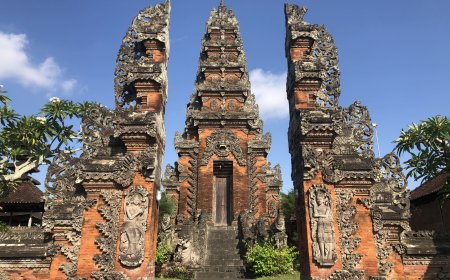
Cultural awareness increases the value and sustainability of real estate decisions on the island. This day in particular teaches lessons that investors consistently overlook.
Cultural rhythms define the pace of life
Foreign investors who understand the ceremonial rhythms:
- Build better relationships with neighbors
- Integrate smoothly with banjar expectations
- Know how to communicate respectfully
- Plan property operations around cultural schedules
High demand for culturally integrated neighborhoods
Locations such as Seseh, Pererenan, Ubud and Tabanan attract long stay guests who want deeper cultural immersion. Understanding ritual days helps property owners design stays that resonate with this audience.
Seasonal ceremonies influence occupancy and maintenance
Knowing the ceremonial cycle helps:
- Predict slower tourist periods
- Schedule villa deep cleans or staff rotations
- Create marketing campaigns tied to cultural themes
- Offer unique guest experiences during sacred days
Properties near cultural hubs maintain stronger long term value
Travelers value authenticity more every year. Villas close to temples, rice fields or traditional villages become premium choices because they offer emotional richness beyond simple amenities.
Recommended Areas to Stay During Buda Paing Kuningan
For meaningful and comfortable experiences, these locations offer the ideal balance between culture and lifestyle:
- Pererenan and Seseh for refined, quiet coastal stays
- Ubud for spiritual immersion and nature access
- Sidemen for landscapes and traditional life
- Tabanan for serene rice field surroundings
- Bingin for calm beaches and a softer atmosphere
A Closing Reflection on Buda Paing Kuningan
Buda Paing Kuningan November 26th is not as widely celebrated as Galungan or Kuningan, yet it holds a profound beauty in its simplicity. It is a day of grounding, balancing and preparing the spirit for what is to come.
It reminds us that Bali is not only a place of scenic landscapes and modern villas, but a living culture guided by rituals that preserve harmony between people, land and the divine. Anyone who wishes to buy, build or manage property in Bali must understand this relationship, because it is this very harmony that makes Bali one of the most desirable destinations in the world.